Tokushima Prefecture: Awa Odori, Whirlpools, and the Iya Valley
Travel guide · editorialTokushima is the starting point of the Shikoku pilgrimage and home to Japan's most famous dance festival. A vacation in Tokushima Prefecture takes you to ocean whirlpools beneath a suspension bridge, into one of the country's most remote mountain valleys, and to indigo dye workshops with centuries of tradition. From Osaka, it's about two hours away.
Landscape and Location
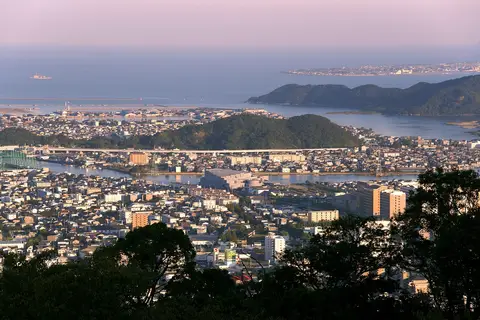
The prefecture occupies eastern Shikoku. The Yoshino, one of Japan's great rivers, flows from west to east through a broad valley with towns such as Miyoshi, Mima, Awa, and Yoshinogawa, and empties into the sea at Tokushima. To the south lie the Shikoku Mountains with Mount Tsurugi, and to the north the Sanuki Mountains. The coast stretches from the Naruto Strait in the north past Komatsushima and Anan to the surf beaches in the south.
Sights in Tokushima Prefecture
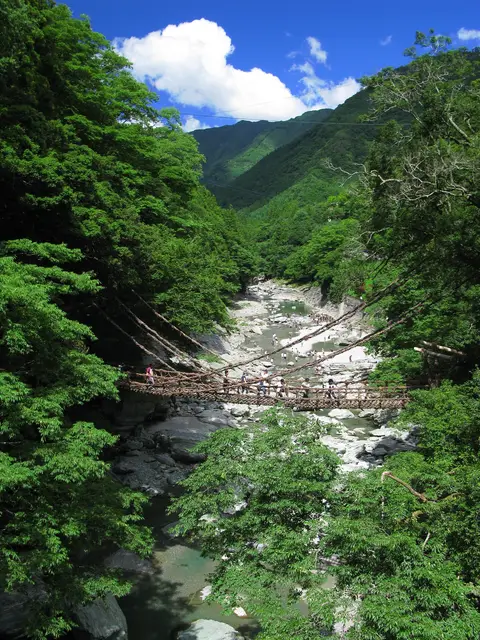
In the Naruto Strait between Shikoku and Awaji Island, the tides create whirlpools up to 20 meters (65 feet) across. You can watch them from sightseeing boats or from the Uzu no Michi, a glass-floored walkway beneath the Ōnaruto Bridge. The Ōtsuka Museum of Art in Naruto displays more than 1,000 masterpieces of art history as life-size ceramic reproductions, including the Sistine Chapel. The Iya Valley in the west is a deep gorge where, according to legend, the defeated Taira warriors took refuge; vine bridges such as the Kazurabashi span the river. In the neighboring Ōboke Gorge, boats glide between rock walls. Wakimachi in Mima preserves merchant houses with udatsu fire walls dating from the days of the indigo trade.
Culture and Festivals
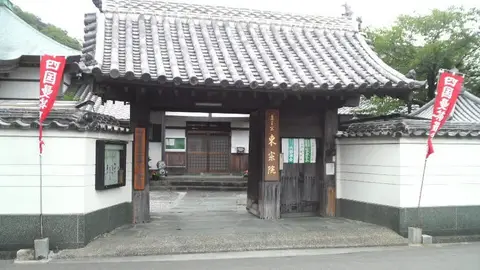
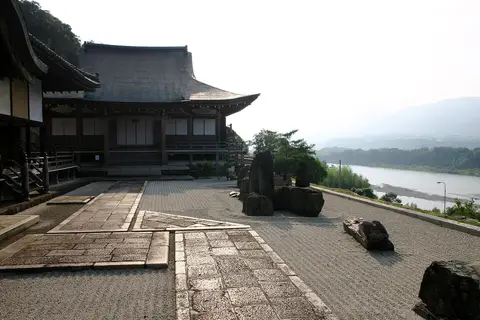
The Awa Odori, held August 12–15, turns Tokushima into one giant stage: dance groups parade through the streets with drums, shamisen, and flutes, and spectators are invited to join in. Ryōzen-ji in Naruto is the first of the 88 temples of the Shikoku Henro pilgrimage; this is where pilgrims buy their white robes. Indigo, known as Awa-ai, is still fermented and dyed in workshops, and visitors can make their own textiles. Kamikatsu, in the mountains, is known for its zero-waste program. A cable car runs up Mount Bizan, the city's local mountain, and at the Awa Odori Kaikan you can experience the dance year-round at daily performances and even join in yourself. Anan has swimming beaches and the temple Tairyū-ji, reached by a long cable car.
Food and Drink
Tokushima ramen comes in brown, yellow, and white versions depending on the broth; the best-known variety is served with a raw egg and sweet braised pork. Naruto wakame, seaweed grown in the strong currents, is considered especially firm. Sudachi, a small green citrus fruit, flavors fish and noodles. Naruto Kintoki sweet potatoes and Awa Odori chicken are other specialties. In the Iya Valley, you can eat soba, tofu, and potatoes grilled on skewers with miso.
Getting There and Best Time to Visit
Express buses connect Osaka and Kobe with Tokushima in about two hours via the Akashi Bridge and Awaji. Tokushima Airport serves Tokyo. From Tokushima Station, trains run to Takamatsu and into the Yoshino Valley; for the Iya Valley, a rental car is advisable. The best times to visit are spring, August for the Awa Odori, and fall for the autumn foliage in the Iya Valley.