Discovering Tokushima: Awa Odori, Bizan, and Indigo
Travel guide · editorialFor four nights in August, all of Tokushima dances: tens of thousands of people move through the streets in groups, shamisen and drums set the beat, and spectators call out "Odoru ahou ni miru ahou" ("The dancers are fools, the watchers are fools—so why not dance?"). But a trip to Tokushima is worthwhile outside the festival, too—as a gateway to the Naruto whirlpools, the wild Iya Valley, and the 88-temple pilgrimage route.
A City Moving to the Rhythm of Awa Odori
The Awa Odori is considered one of Japan's largest dance festivals and, according to tradition, dates back to the late 16th century, when the daimyō Hachisuka Iemasa inaugurated Tokushima Castle. From August 12 to 15, the main streets fill with so-called ren, dance groups made up of companies, schools, and neighborhoods. If you miss the festival, you don't have to go without entirely: the Awa Odori Kaikan at the foot of Bizan holds daily performances, and at the end visitors are invited to join in the dancing themselves. Hotel rooms for the festival days are often booked out months in advance.
Sights in Tokushima
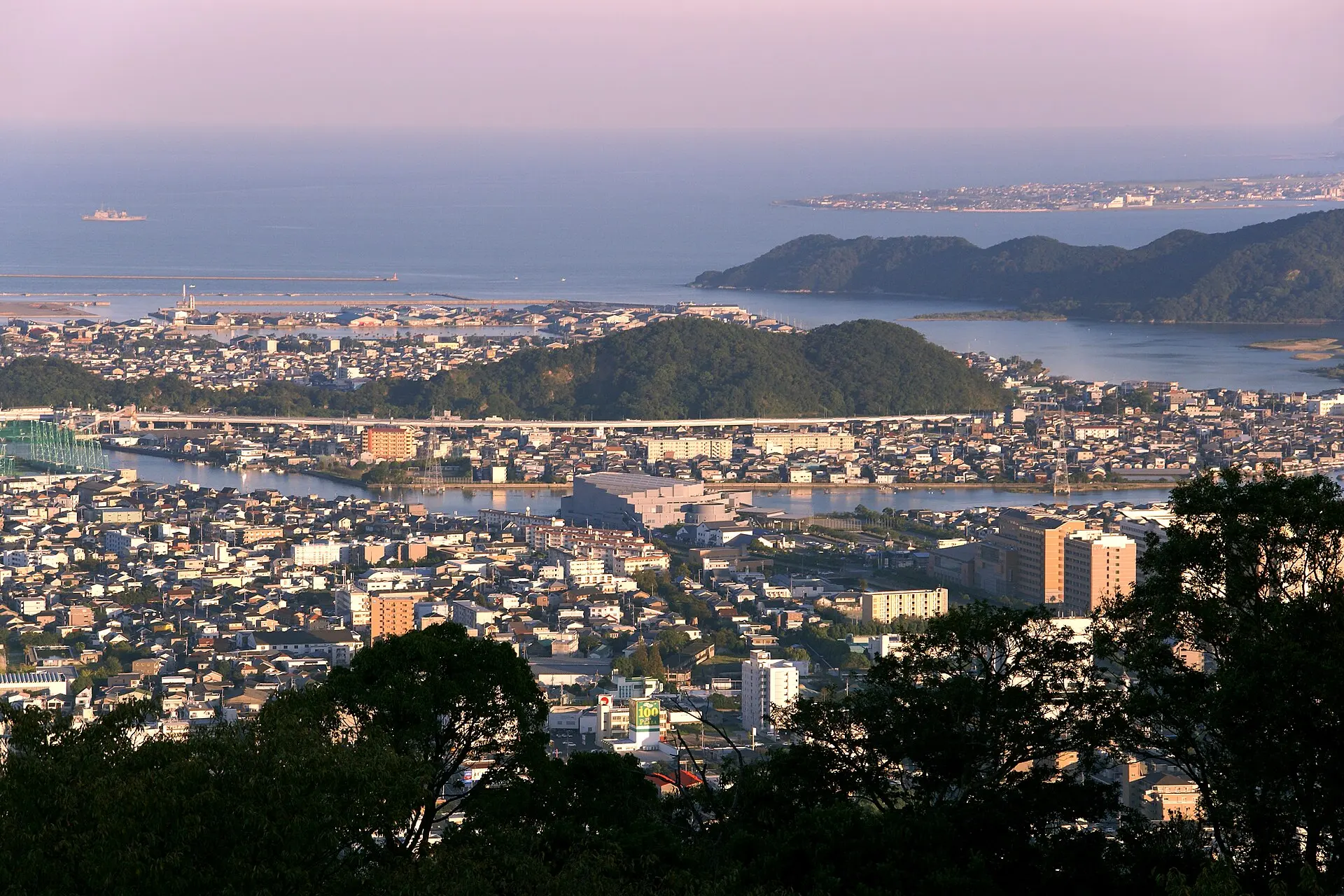
Rising above downtown is Bizan, nearly 300 meters high, whose shape recalls a curved eyebrow. A ropeway runs directly up from the Awa Odori Kaikan; at the top, the view stretches across the river mouth to the Kii Channel. In Chūō Park lie the ruins of Tokushima Castle, with massive walls of greenish schist and the Edo-period Senshūkaku Garden. Along the Shinmachi River, a riverside promenade with boat tours invites you to stroll. The city likes to call itself the "City of Water," as numerous river branches run through the center.
Indigo, Ramen, and Sudachi
Tokushima, the old province of Awa, was the center of Japanese indigo cultivation for centuries. The deep blue, known as aizome, still shapes textiles and crafts today; in workshops in the area, you can dye a cloth yourself. Culinarily, Tokushima ramen is the classic: a rich, dark broth made from pork bones and soy sauce, topped with sweet braised pork belly and often a raw egg. Almost everywhere, it comes with sudachi, a small green citrus fruit that is squeezed over fish, noodles, and even beer. In the restaurants and izakaya around the station, you'll also find Naruto-Kintoki, a sweet variety of sweet potato, and fresh fish from the Seto Inland Sea.
Excursions: Naruto, Iya Valley, and the Pilgrimage Route
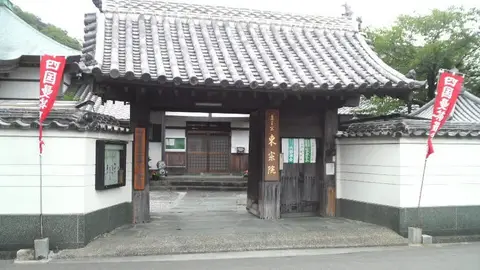
About 30 minutes to the north are the Naruto whirlpools, which form at the change of tides in the strait between Shikoku and Awaji Island; you can watch them from sightseeing boats or from the glass-floored walkway beneath the Ōnaruto Bridge. In Naruto, the Ōtsuka Museum of Art displays large-scale ceramic reproductions of famous paintings. This is also where the Shikoku pilgrimage traditionally begins, at Ryōzen-ji Temple, and many pilgrims walk the route on foot dressed in white. Farther inland, the deeply carved Iya Valley beckons with vine suspension bridges such as the Kazurabashi and the Ōboke Gorge.
Getting There and Best Time to Visit
Tokushima Awaodori Airport is connected to Tokyo Haneda. From Kobe and Osaka, express buses cross the Akashi Kaikyō Bridge and Awaji Island and reach the center in about two to two and a half hours. Within the city, you can get around well on foot and by bus; for Iya and the coast, a rental car is worthwhile. Spring and fall are considered the best times to visit; if you want to experience the Awa Odori, you'll gladly put up with the humid August heat.