Discover Wakayama: Castle, Ramen, and Wakanoura Bay
Travel guide · editorialBetween the mouth of the Kinokawa River and the Pacific Ocean lies the capital of the peninsula that Japanese people associate with pilgrimage trails, plum groves, and warm seas. If you're planning a vacation in Wakayama, you'll find a relaxed castle town that makes an ideal base for a trip into the Kii Mountains – and it's just an hour from Osaka.
The Castle of the Kishū Tokugawa
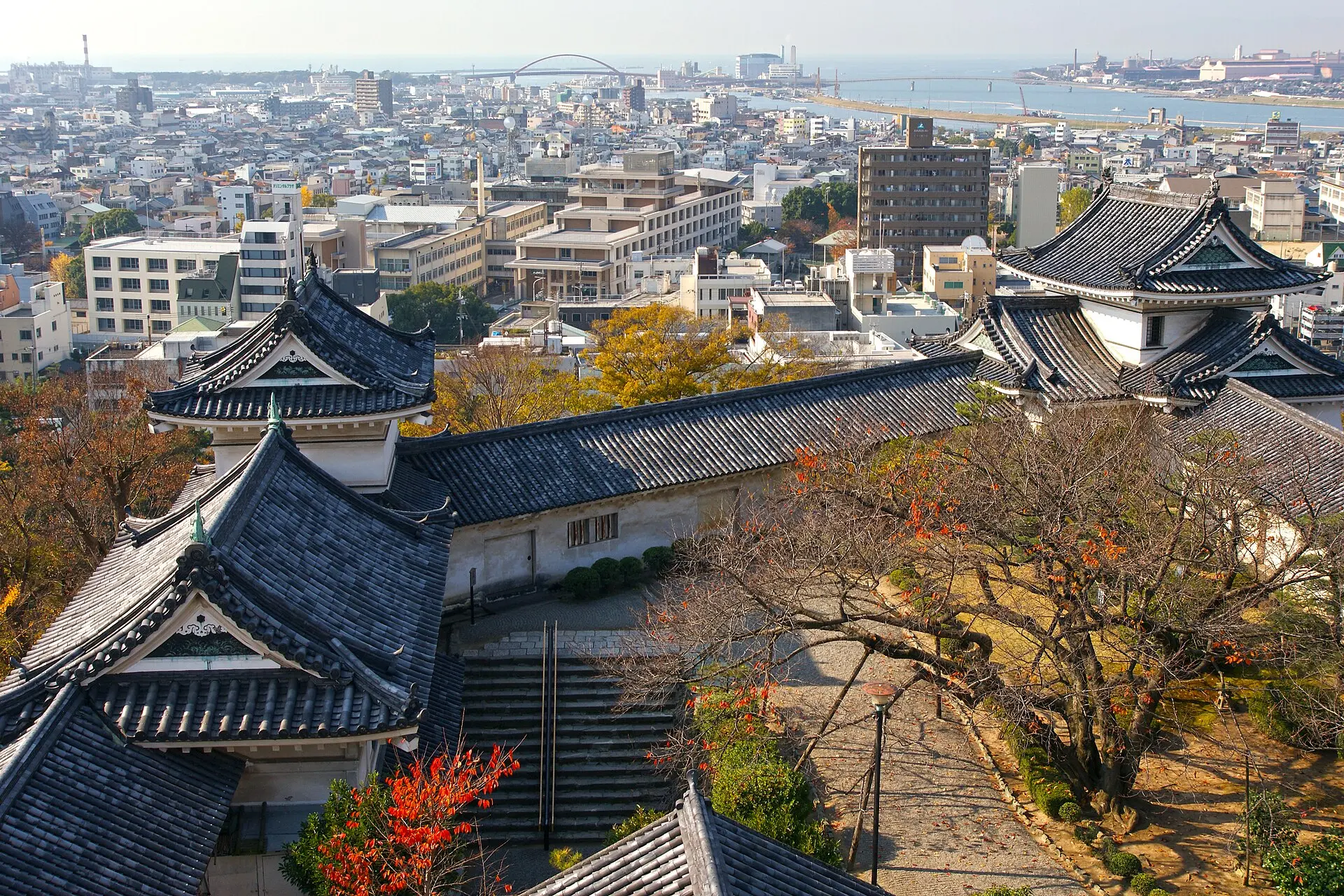
The city's history is closely tied to one of the three branch families of the Tokugawa. From 1619, the lords of Kishū resided here, and this line even produced a later shogun, Yoshimune. The white castle on Torafusu Hill still towers over the city center. The main keep burned down in World War II and was rebuilt in concrete in 1958, but the defensive walls, moats, and the Momijidani Garden with its red wooden bridge give you a good impression of the original complex. In spring, the castle park becomes one of the region's most popular cherry blossom destinations; at that point, the sights in Wakayama belong mostly to the picnic blankets.
Wakanoura and the Coast
South of the center opens Wakanoura Bay, whose tidal landscape was already celebrated in the Man'yōshū, Japan's oldest poetry collection. Kimii-dera Temple on the slope above rewards the steep climb up its stairs with views across the bay. At Wakanoura Tenmangū Shrine and the small stone Fukiage Bridge, there is often an almost rural calm. Farther west, in Kada, lies Awashima Shrine, where thousands of dolls are left as offerings – an unusual, somewhat eerie place that sends dolls out to sea in boats in a ritual every March.
Eating in Wakayama: Ramen, Fish, and Plums
Culinarily, the city is best known for its ramen. Locals simply call the rich broth of pork bones and soy sauce Chūka Soba, and many counters also offer Hayazushi – pressed mackerel sushi wrapped in leaves, which you help yourself to and pay for at the end. At the harbor near Marina City, the Kuroshio Market sells fresh tuna that is butchered in front of an audience. The prefecture is Japan's most important growing region for ume plums and produces large quantities of mandarin oranges; in Yuasa, half an hour to the south, Japanese soy sauce is said to have originated.
Day Trips: Kōyasan, Cat Station, and Kumano
Wakayama is the starting point for some of western Japan's most impressive destinations. The little Kishigawa Line takes you to Kishi Station, which became world-famous for its cat stationmasters. The temple mountain of Kōyasan with its Okunoin cemetery and overnight stays in monasteries is just as accessible as the Kumano Kodō pilgrimage routes – both are UNESCO World Heritage Sites. Beachgoers are drawn to Shirahama with its pale sandy beach and seaside onsen. The best time to visit is spring and fall; summers are humid, and typhoons occur in late summer.
Getting Around Wakayama
From Kansai Airport, it takes about 40 minutes by train or bus. From Osaka, the JR Hanwa Line from Tennōji or the Nankai Line from Namba gets you to the city in about an hour. Buses run locally, and the compact center between Wakayama and Wakayamashi stations and the castle is easy to explore on foot or by rental bike. For trips to the south, the Limited Express trains of the Kisei Line are recommended.