Wakayama Prefecture: Koyasan, Kumano and Shirahama
Travel guide · editorialFor many travelers, a vacation in Wakayama Prefecture is a pilgrimage: this is home to the monastery mountain of Kōyasan and the Kumano trails, which have led through cedar forests to sacred shrines for more than a thousand years. The coast, with its hot springs and white beaches, provides the counterbalance. Wakayama is the prefecture of plums and mandarin oranges, mild in climate and rich in waterfalls.
Landscape and Location
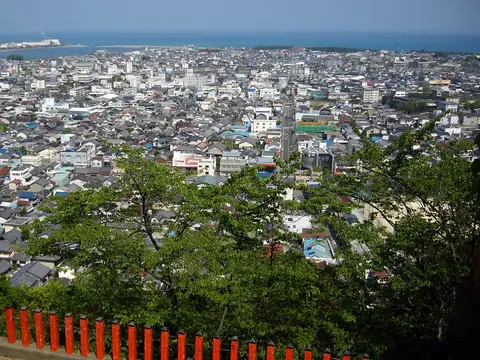
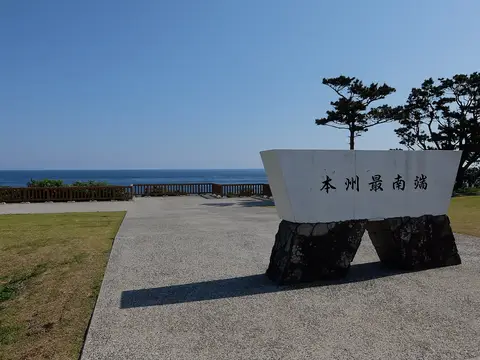
Wakayama occupies the west and south of the Kii Peninsula, the largest peninsula in Japan. The north around Wakayama, Kinokawa and Hashimoto lies along the Kino River, a fruit-growing region near Osaka. To the south, steep, forested mountains stretch all the way to the coast. Gobō, Tanabe and Shirahama lie on the west coast, Kushimoto at the southern tip, and Nachikatsuura and Shingū on the east coast. Even today, many valleys are reached only by narrow roads.
Sights in Wakayama Prefecture
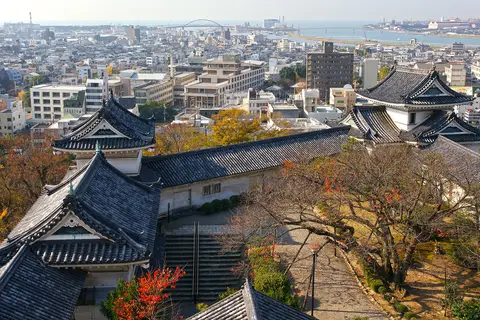
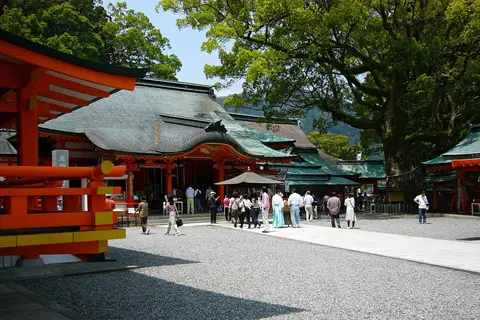
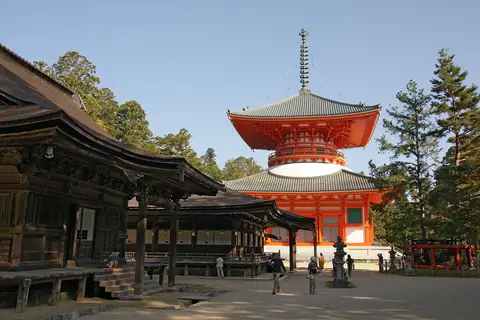
On Kōyasan, a plateau at around 800 meters, the monk Kūkai founded the center of the Shingon school in 816. Today it is home to more than 100 temples, about 50 of which take in guests, offering vegetarian monastic cuisine and morning prayers. The Okunoin cemetery, with more than 200,000 gravestones beneath centuries-old cedars, leads to Kūkai's mausoleum, where, according to tradition, he still meditates to this day. The Kumano pilgrimage trails connect the three great shrines of Kumano Hongū Taisha, Hayatama Taisha in Shingū and Nachi Taisha. Next to the last of these, the Nachi Falls plunge 133 meters, with a red three-story pagoda standing in front of them – one of the best-known sights in Japan. Wakayama city has a castle of the Kii branch of the Tokugawa family.
Coast and Onsen
Shirahama is a beach resort with a white sand beach and the rock arch Engetsutō, through which the sun shines at sunset. The Adventure World amusement park was known until 2025 for one of the largest groups of pandas outside China and still features marine and safari animals. Kawayu Onsen near Hongū is unusual: you dig your own hot pool on the riverbank. In Yunomine you will find the tiny Tsuboyu bath, which can be used as part of a World Heritage site. Near Kushimoto, the Hashigui-iwa rocks rise from the sea like a row of pillars. Kushimoto also has an underwater tower, whose windows let you watch corals and colorful fish.
Food and Drink
Wakayama produces most of Japan's ume, or Japanese apricot plums, especially around Minabe; pickled umeboshi are salty and sour. The mandarin oranges from Arida are considered the best in Japan. Wakayama ramen, with a tonkotsu-soy broth, is eaten with hayazushi, rice pressed in mackerel. Yuasa is regarded as the birthplace of soy sauce. Katsuura is one of the most important ports for fresh tuna.
Getting There and Best Time to Visit
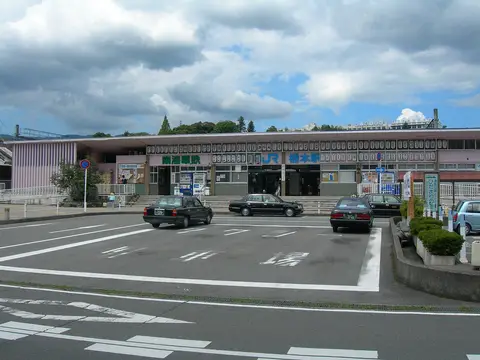
Wakayama city can be reached from Osaka in about an hour, and from Kansai Airport in 40 minutes. The Nankai Railway runs to Kōyasan, with a funicular for the final stretch, and the Kuroshio Express runs to Shirahama. Nanki-Shirahama Airport serves Tokyo. Spring and fall are considered the best times to visit; October to May is suitable for Kumano hikes. In February the plums bloom in Minabe, and in July, at the Nachi Fire Festival, huge torches are pulled down the stairs to the waterfall.