

Aomori Prefecture: Nebuta, Apples and Beech Forests
Travel guide · editorialA vacation in Aomori Prefecture takes you to the northern tip of Honshū, a land of apple orchards, primeval forests and one of Japan's most spectacular summer festivals. The winters are snowier than almost anywhere else, the summers short and intense. If you're looking for nature, crafts and festivals, you'll find a Japan here that is far off the beaten path.
Landscape and Location
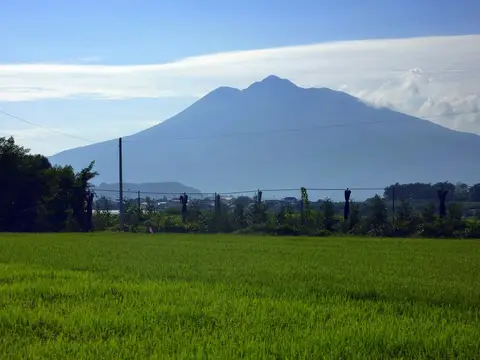
Aomori lies between the Pacific Ocean, the Sea of Japan and the Tsugaru Strait, which separates Honshū from Hokkaido. Two peninsulas, Tsugaru and Shimokita, enclose Mutsu Bay. To the south rise the Hakkōda Mountains, and on the border with Akita lie the Shirakami Mountains, home to one of the largest untouched beech forests in East Asia and a World Heritage Site since 1993. Lake Towada, a crater lake, and the Oirase Stream are the best-known natural attractions. Hachinohe and Misawa lie on the Pacific coast.
Sights in Aomori Prefecture
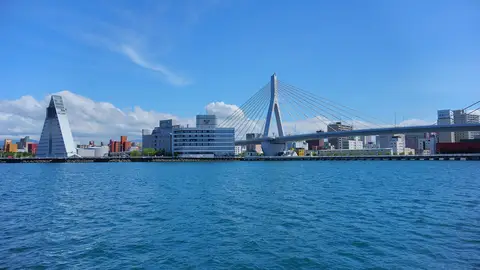
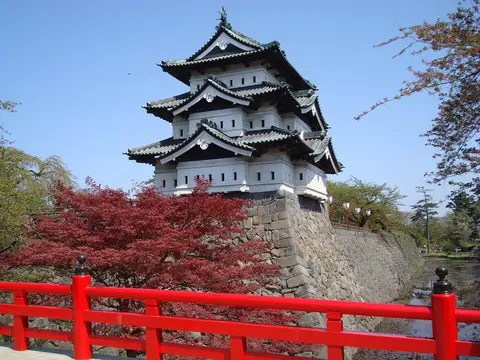
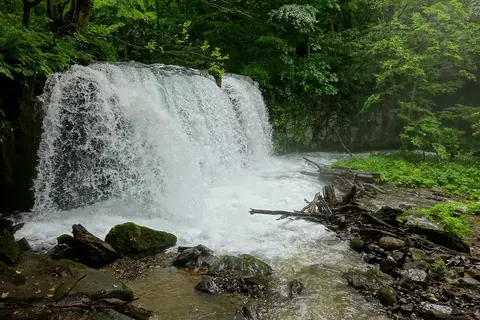
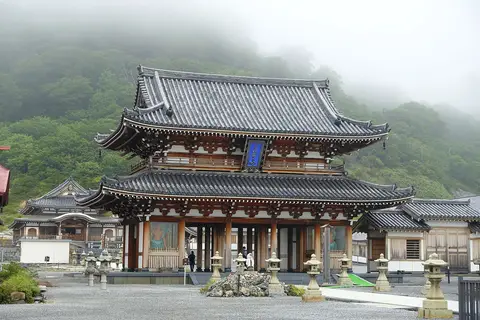
The Oirase Stream flows out of Lake Towada for about 9 miles (14 kilometers) through a wooded gorge with waterfalls and moss-covered rocks; a hiking trail runs alongside it. Hirosaki has one of Japan's twelve surviving original castles, and its park, with around 2,600 cherry trees, is one of the country's loveliest places to see the blossoms in late April. In winter, the Hakkōda Ropeway takes you up to trees that freeze over into "snow monsters," and Sukayu Onsen is known for its large mixed-gender wooden bath. The Jōmon settlement of Sannai-Maruyama on the outskirts of Aomori is one of Japan's largest prehistoric sites and part of the Jōmon World Heritage listing. On Shimokita you'll find Osorezan, a volcanic crater said to be the entrance to the underworld; in July, blind mediums known as itako call upon the spirits of the dead.
Festivals and Culture
The Nebuta Matsuri in Aomori, held August 2–7, sends enormous illuminated paper figures of warriors and gods through the streets, accompanied by drums, flutes and dancing haneto in colorful costumes. Hirosaki celebrates a similar Neputa festival with fan-shaped floats, and Goshogawara holds the Tachineputa with figures more than 66 feet (20 meters) tall. Crafts such as Tsugaru lacquerware and kogin embroidery are living traditions. The Aomori Museum of Art shows works by Yoshitomo Nara, who comes from Hirosaki, and the Towada Art Center presents outdoor installations.
Food and Drink
Aomori produces more than half of Japan's apples; juice, cake and cider are available everywhere, and in the fall you can pick apples yourself. At the Furukawa Market in Aomori, you assemble your own nokke-don, a bowl of rice topped with fish from various stalls. Hachinohe is known for senbei-jiru, a soup with rice crackers, and for the Mutsuminato fish market. Tuna from Ōma at the tip of Shimokita fetches record prices at the New Year auctions in Tokyo. Jappa-jiru, a cod stew, warms you up in winter, and garlic from Takko is considered the best in Japan.
Getting There and Best Time to Visit
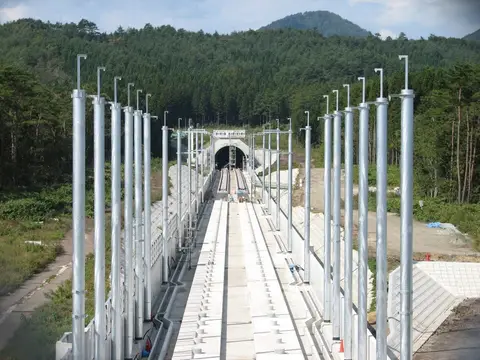
The Tōhoku Shinkansen ends at Shin-Aomori, about three hours from Tokyo; from there, trains continue to Hakodate on Hokkaido. Hachinohe has its own Shinkansen stop. Aomori Airport serves Tokyo, Osaka and Sapporo. The best times to visit are late April for the cherry blossoms in Hirosaki, early August for the Nebuta Festival, and mid to late October for the fall foliage at Oirase. In winter, onsen and snow monsters are the draw, though the roads into the Hakkōda Mountains are partly closed then.