Discover Aomori: Nebuta, Jōmon, and Hakkōda
Travel guide · editorialGiant glowing warriors, demons, and dragons made of paper and wire, pulled along by crowds of dancers shouting "Rassera!" – in August, Aomori belongs to the Nebuta Festival. A trip to the northern tip of Honshū also offers one of Japan's oldest settlements, modern art, fresh seafood, and mountains buried in deep snow.
The Nebuta Festival and Wa Rasse
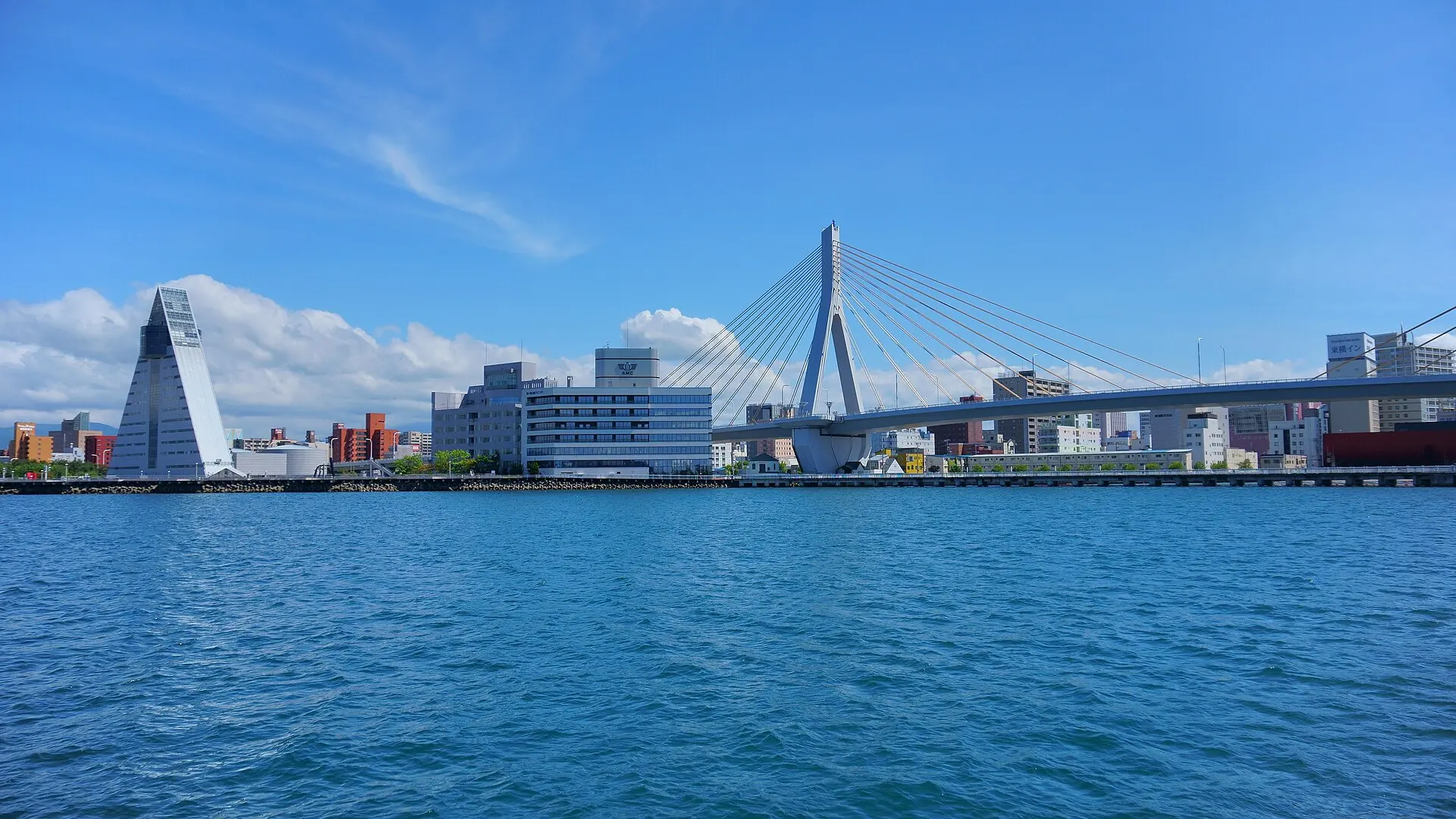
From August 2 to 7, around twenty large Nebuta floats roll through the city center, each several meters tall and lit from within by hundreds of lamps. The figures are drawn from myth, kabuki, and history, and specialized master craftsmen spend months building them. They are accompanied by drummers, flute players, and the Haneto dancers, and anyone dressed in the right costume is welcome to join in the leaping. On the final evening, the prize-winning floats travel across the bay on boats, followed by a fireworks display. If you visit at another time of year, you can see some of the finest floats at the Wa Rasse museum right by the train station, a building with red steel louvers.
Sights in Aomori
On the edge of the city lies the Sannai-Maruyama excavation site, one of the largest settlements of the Jōmon culture, inhabited some 5,000 years ago. Reconstructed pit dwellings, a longhouse, and a tower made of six enormous chestnut trunks give you an idea of village life; since 2021, the site has been part of the UNESCO World Heritage listing for the Jomon Prehistoric Sites in Northern Japan. Right next door stands the Aomori Museum of Art, designed by Jun Aoki, famous for the eight-meter-tall white dog sculpture "Aomori-ken" by Yoshitomo Nara, who comes from the prefecture, and for Marc Chagall's huge stage backdrops for the ballet "Aleko." In the harbor lies the former ferry Hakkōda Maru, which carried trains across to Hokkaidō until the Seikan Tunnel opened.
Eating in Aomori
At the Furukawa fish market near the station, you build your own rice bowl in the Nokke-don: using coupons, you buy tuna, salmon roe, scallops, or sea urchin at various stalls. Mutsu Bay is one of Japan's most important shellfish areas, and grilled with miso and egg, scallops become kaiyaki-miso. Aomori is also the country's apple prefecture, and cider is pressed at the A-Factory market building in the harbor. In the evening, you can settle into the izakaya around Shinmachi Street over sake and, in winter, jappa-jiru, a hearty soup of cod with offal and vegetables.
Hakkōda and Onsen
South of the city rise the Hakkōda Mountains, one of the snowiest places in the world in winter. A cable car carries skiers and hikers up to slopes lined with frosted fir trees; in autumn, the foliage glows red and gold. At the foot of the mountains lies Sukayu Onsen with a large wooden mixed-gender bath, and on the coast east of the city, the seaside resort of Asamushi Onsen, whose inns look directly out over Mutsu Bay. The Oirase Gorge and Lake Towada can be reached as a day trip.
Getting There and Best Time to Visit
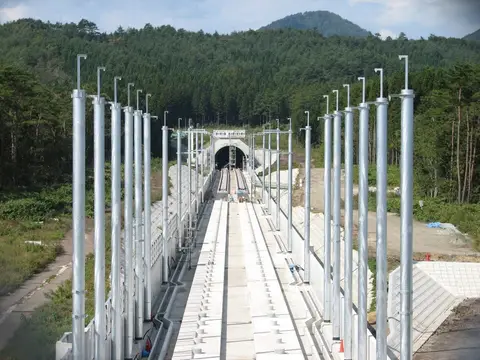
The Tōhoku Shinkansen runs from Tokyo to Shin-Aomori in just over three hours, and from there it's only a few minutes to the city center. Aomori Airport offers domestic flights. The best time to visit is summer, for the Nebuta Festival, followed by autumn. If you love snow, come in January or February; Aomori is considered one of the snowiest major cities in the world.