
Toyama Prefecture: Snow Walls and a Bay Beneath the Alps
Travel guide · editorialNowhere else in Japan do the mountains rise as steeply from the sea as in Toyama: from the shore of the bay to the 3,000-meter peaks of the Tateyama range, it's barely 30 kilometers. A vacation in Toyama Prefecture therefore offers world-class seafood and alpine scenery on the same day, plus farming villages with thatched roofs and a modern prefectural capital.
Landscape and Location
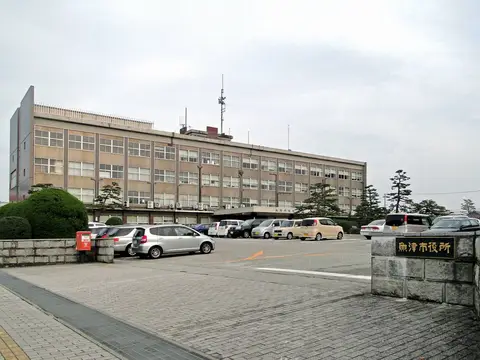
Toyama lies in the Hokuriku region on the Sea of Japan. Toyama Bay is more than 1,000 meters deep, and its cold deep water teems with life. To the east rise the Hida Mountains, the Northern Alps, with Mount Tateyama, one of Japan's three sacred mountains, and Kurobe Gorge. The plain with Toyama, Takaoka, Imizu, Tonami, Nanto, and Himi is crisscrossed by rivers that rank among the steepest in the country. Uozu and Kurobe lie on the east coast.
Sights in Toyama Prefecture
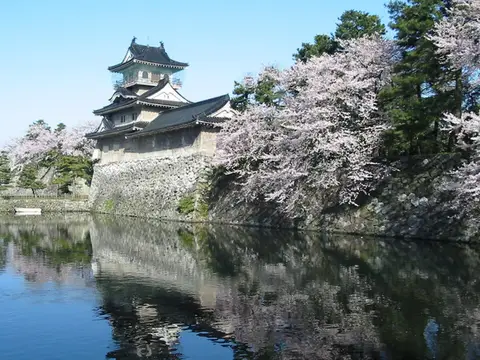
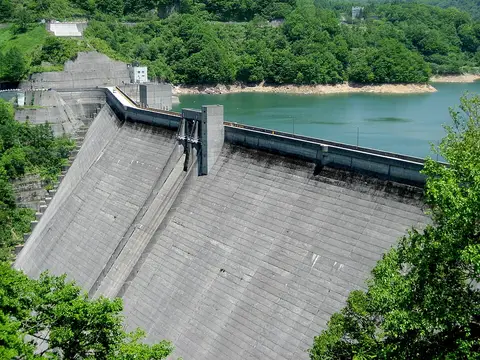
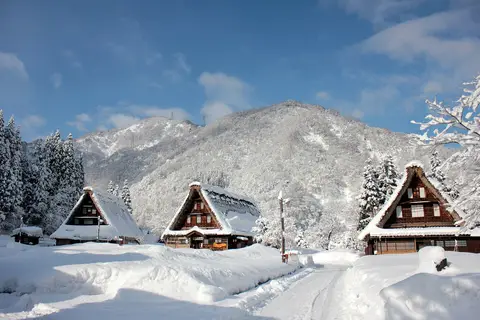
The Tateyama Kurobe Alpine Route connects Toyama with Nagano via cable cars, buses, and a trolley bus. The highlight in spring is the Yuki-no-Otani, a corridor with snow walls up to 20 meters high near Murodo at around 2,450 meters. Kurobe Dam is the tallest in Japan, and in summer enormous volumes of water are released. A narrow-gauge railway runs through Kurobe Gorge to onsen hot springs in deep valleys. Gokayama near Nanto, together with Shirakawa-go, is a World Heritage Site; the villages of Ainokura and Suganuma with their gassho-style houses are quieter than their famous neighbor. In Takaoka you'll find a large bronze Buddha and Zuiryu-ji, a Zen temple designated a National Treasure.
Cities and Culture
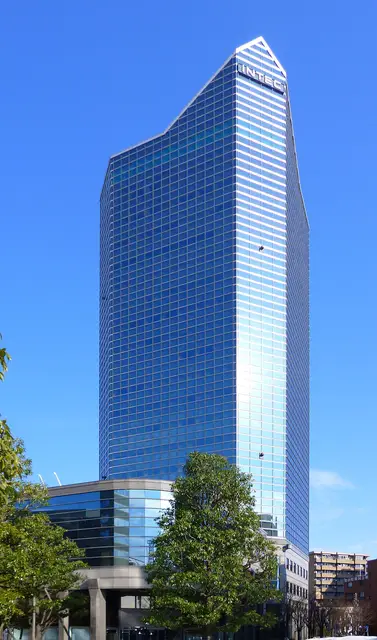
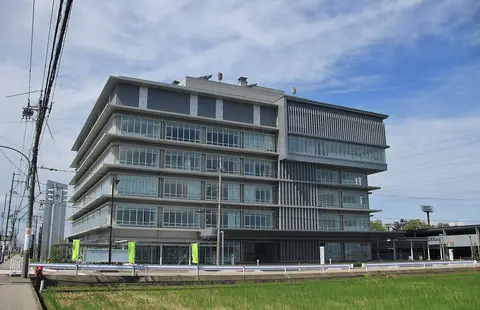
Toyama City has streetcars, Fugan Canal Park with a cafe regarded as one of the most beautiful Starbucks in the world, and the Glass Art Museum in a building by Kengo Kuma. For centuries the city was a center of pharmaceutical production; merchants traveled all over Japan with medicine chests. Takaoka is a foundry town, and the Kanaya-machi district preserves old workshops. In September, the residents of Yatsuo dance through the alleys at night to melancholy songs during the Owara Kaze-no-Bon festival. Inami in Nanto is known for its woodcarving.
Food and Drink
Toyama Bay is considered a "natural aquarium." Shiroebi, tiny white shrimp, are eaten raw or fried; hotaru-ika, firefly squid, glow blue in the water off Namerikawa in spring and are served boiled with mustard miso. In winter, kan-buri from Himi, winter yellowtail, is the specialty. Masu-zushi, trout sushi wrapped in bamboo leaves, is the classic train station bento. Toyama Black ramen, with its nearly black soy-sauce broth, is heavily salted.
Getting There and Best Time to Visit
The Hokuriku Shinkansen connects Tokyo with Toyama in just over two hours and also stops at Kurobe-Unazukionsen and Shin-Takaoka. Toyama Airport serves Tokyo and a few Asian destinations. The Alpine Route is open from mid-April to the end of November; the snow walls can be seen until about June. The best times to visit are considered to be April to June and September to October, with autumn foliage in the mountains, while in winter the draw is fish from the bay. The prefectural capital makes a good base for also visiting Kanazawa or Gokayama.