Discover Toyama: Glass Art, Bay and Alpine Views
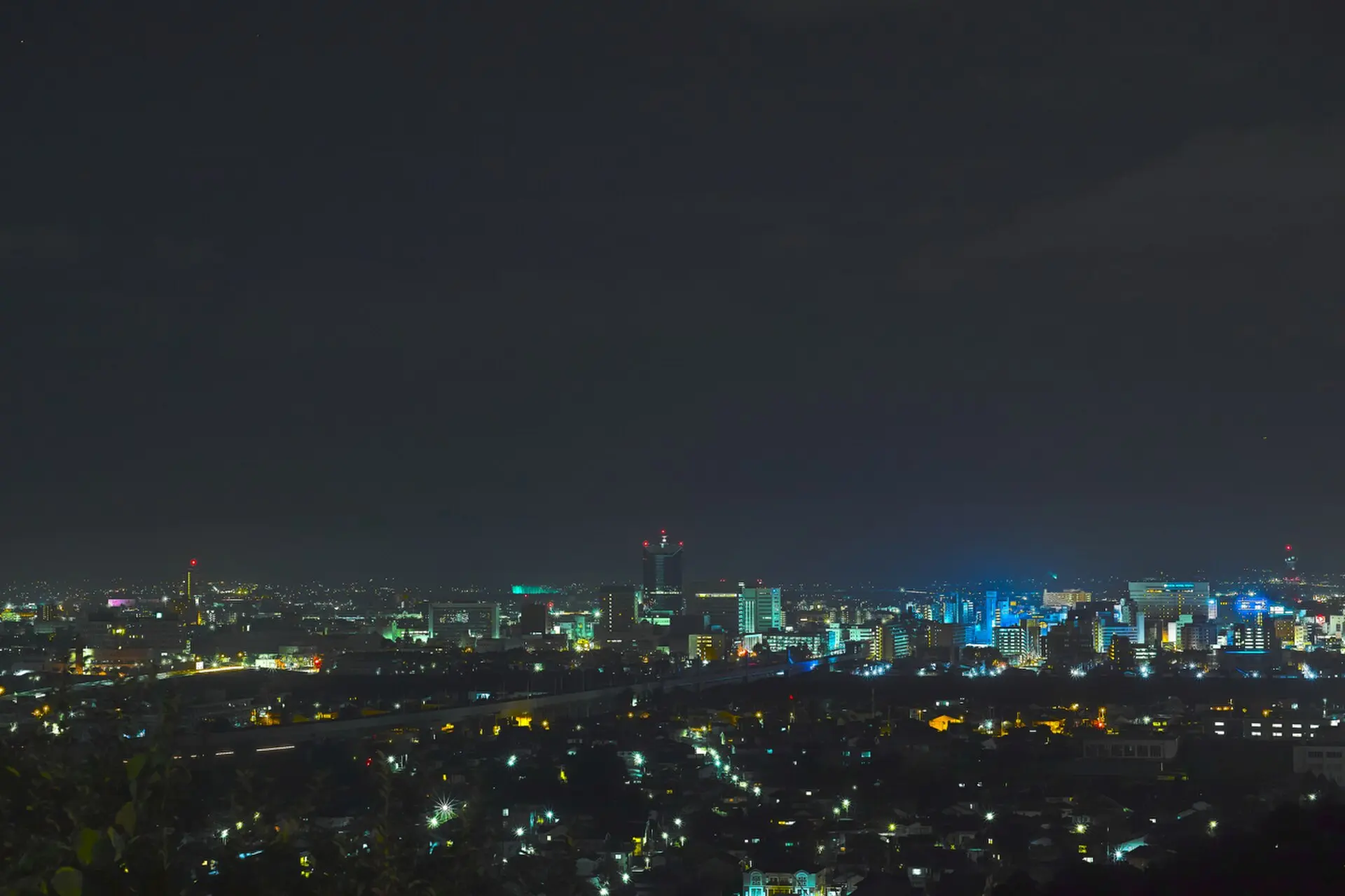
Travel guide · editorialBetween the deep waters of Toyama Bay and the nearly 3,000-meter peaks of the Tateyama Range lies a city that many travelers to Japan know only as a place to change trains. Yet Toyama is well worth a city break in its own right: for its glass art, its fish markets, and the streetcar system that became a model for all of Japan.
Medicine Peddlers and Rebuilding
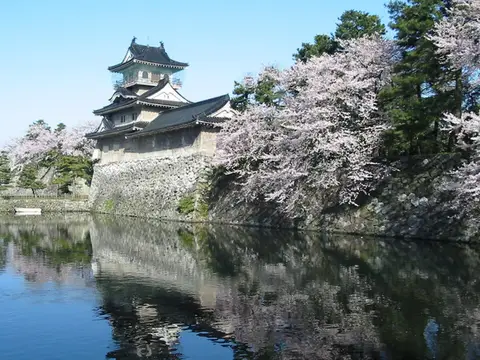
Since the Edo period, Toyama has been associated with medicine. The so-called kusuri-uri traveled the country with wooden boxes full of herbal remedies and left a supply with their customers, who paid only at the peddler's next visit. The system has left its mark to this day, and the pharmaceutical industry remains an important employer. In 1945, air raids almost completely destroyed the city center. Toyama Castle in the middle of town is therefore a reconstruction from 1954, but it houses a local history museum and stands in a pretty park with a moat.
Sights in Toyama
The city's modern face is on display at TOYAMA Kirari, a building with wooden louvers designed by Kengo Kuma that houses the city library and the Toyama Glass Art Museum. Glass has a long tradition here – the medicine peddlers' little bottles grew into a lively studio glass scene, which you can also experience at the Glass Studio in the south of the city. In Fugan Canal Kansui Park, bridges and an observation tower are reflected in the water, and the Starbucks beside the canal is considered one of the most beautifully situated in Japan. On the Iwase Peninsula in the north, old merchant houses from the Kitamaebune shipping trade have been preserved, some of them now serving as sake breweries or museums.
Eating and Drinking in Toyama
Toyama Bay is often called a natural aquarium because of its rich variety of species. In spring, the firefly squid (hotaru-ika) glow in the water; you eat them boiled with mustard miso. Shiro-ebi, tiny white shrimp, are considered the bay's specialty and are served raw or as tempura. A popular souvenir is masu-zushi, pressed trout sushi wrapped in bamboo leaves. If you prefer something heartier, try Toyama Black, a nearly black, very salty soy sauce ramen originally created for hard-working laborers. Local sake, brewed with the soft meltwater of the mountains, is a perfect match.
Going Out and City Life
In the evening, life centers on the Sakurakichō district near the station and along the covered Sōgawa shopping street downtown. Here, small izakaya with the day's catch from the bay chalked on blackboards mix with bars serving local sake and whisky. Around Grand Plaza, a covered square with a glass roof, markets and concerts take place on weekends. If you are looking for handicrafts, head to Takaoka, the neighboring city with a foundry tradition and a large bronze Buddha. As a reminder of the medicine peddlers, you can still buy traditional remedies at Ikeda-ya Yasubei Shōten and watch pills being rolled by hand.
Getting Around Toyama and Day Trips
Since 2015, the Hokuriku Shinkansen has carried travelers from Tokyo to Toyama in just over two hours, and Kanazawa is only about 20 minutes away. Once you are here, the streetcar is the ideal way to get around: the loop line and the light rail line were connected beneath the station in 2020, so you can ride all the way to the Iwase harbor area without changing. Small Toyama Airport (TOY) lies south of the city. The best time to visit depends on your destination: the Tateyama Kurobe Alpine Route is open from roughly mid-April through November, with walls of snow several meters high in spring. By bus, you can reach the UNESCO World Heritage villages of Gokayama with their steep thatched-roof houses, and the Unazuki Gorge draws visitors with fall colors in October.