Discover Naha: Ryūkyū Heritage, Markets, and Sea
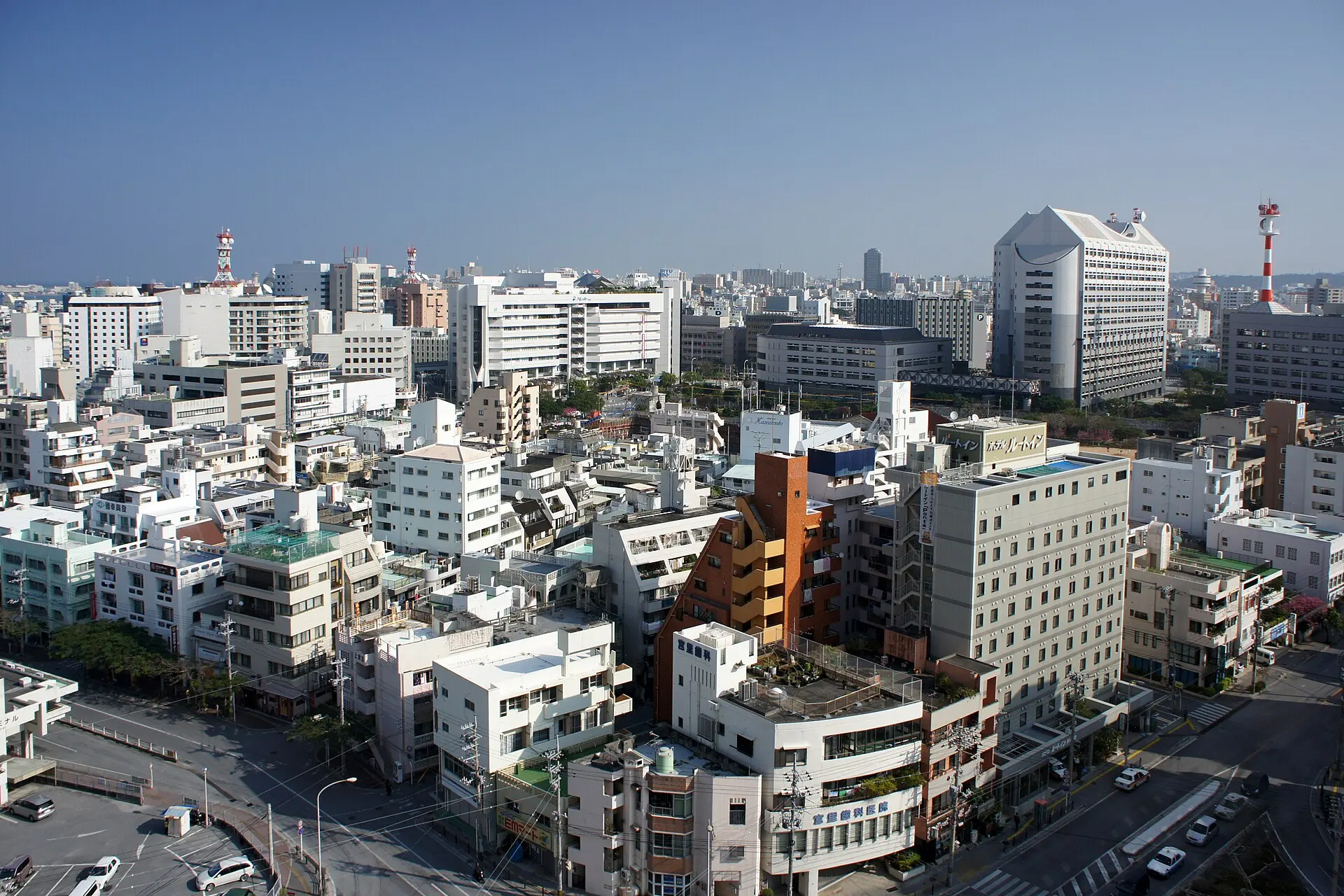
Travel guide · editorialHere the air smells of sea and hibiscus, and instead of temple roofs, stone lion figures on the houses shape the cityscape: Naha is the gateway to Okinawa and the Ryūkyū Islands. A trip to Naha combines the legacy of an independent kingdom with subtropical cuisine, lively markets, and short ferry rides to turquoise bays.
The Legacy of the Ryūkyū Kingdom
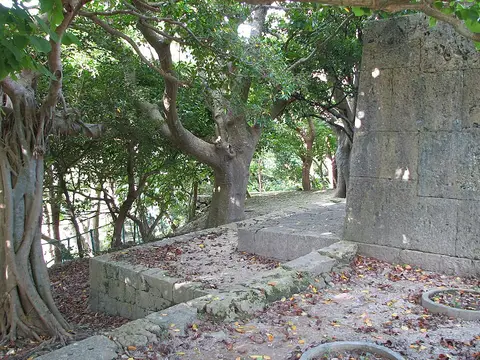
For some 450 years, Shuri, now a district of Naha, was the seat of the Ryūkyū kings, who traded with China, Japan, and Southeast Asia. Japan annexed the kingdom in 1879, the city was almost completely destroyed in the Battle of Okinawa in 1945, and the island then remained under American administration until 1972. These layers are still palpable today – in the language, in the music with its three-stringed sanshin, and in a cuisine that naturally combines pork with American influences. Shuri Castle, together with other gusuku sites, has been a UNESCO World Heritage Site since 2000. A fire destroyed the reconstructed main hall, Seiden, in 2019; reconstruction is scheduled for 2026, and while the work is underway, visitors can watch the craftsmen at work. The Shureimon Gate, the Tamaudun royal mausoleum, and the old stone path of Kinjō-chō are all close by.
Sights in Naha
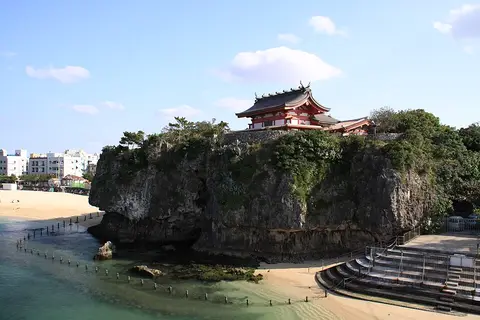
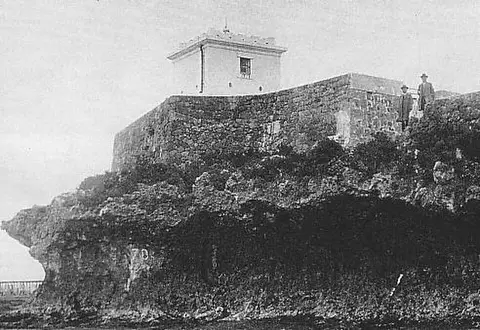
Kokusai-dōri, about 1.6 kilometers long, is the city's main thoroughfare: souvenir shops, awamori stores with tasting bars, and live music venues line the street. Covered arcades such as Heiwa-dōri branch off from it and lead to Makishi Market. A little to the south lies Tsuboya, the pottery district, where yachimun ceramics have been fired since the 17th century; an old climbing kiln and the Tsuboya Pottery Museum tell the story. The Fukushūen garden in the Kume district, which dates back to immigrants from Fujian, shows the Chinese-influenced side of the city's history. The royal retreat Shikinaen, with its pond and stone bridges, is also part of the World Heritage listing. And Naminoue Shrine sits on a cliff directly above the city's only urban beach.
Museums, Culture, and Festivals
In the new city center of Omoromachi, on the site of a former U.S. military housing area, the Okinawa Prefectural Museum and the Okinawa Prefectural Museum & Art Museum present natural history, the royal era, and contemporary art under one roof. Culture also means festivals: at the Naha Great Tug-of-War in October, thousands pull on a giant rope of rice straw, and in early May teams race each other at the Hārī dragon boat races in the harbor. In summer, eisā dancers parade along Kokusai-dōri with large drums.
Eating in Naha: Market, Soba, and Awamori
At Makishi Market, which moved into a new building in 2023, you buy parrot-bright fish, spiny lobsters, or sea grapes on the ground floor and have them prepared upstairs. Okinawan cuisine is hearty: Okinawa soba with wheat noodles and braised pork belly, gōyā champurū with bitter melon, tofu, and egg, rafutē, pork braised in awamori and brown sugar, plus jīmāmi tofu made from peanuts. Restaurants in Naha serve Orion beer and awamori, the local rice spirit, which is often aged for years as kūsu. For dessert there's Blue Seal ice cream or sātā andagī, fried dough balls.
Going Out
In the evening, life shifts to the side streets of Kokusai-dōri and to Sakaemachi, a winding market district near Asato Station, where tiny bars and izakaya open up between the stalls. In minyō venues, musicians play Okinawan songs on the sanshin, and by the time the kachāshī, the dance with raised hands, begins, the whole audience joins in. It's quieter in the small cafés and jazz bars around Sakurazaka Hill, just a few steps from the main street. Many bars serve awamori from distilleries across the prefecture, including varieties from the remote Yaeyama Islands, and are happy to explain the difference between young spirit and long-aged kūsu.
Getting Around Naha and the Best Time to Visit
Naha Airport (OKA) is only a few kilometers from the center; the Yui Rail monorail takes just over ten minutes to reach Kokusai-dōri and continues via Shuri to Tedako-Uranishi. Ferries to the Kerama Islands depart from Tomari Port, and their beaches can be reached by speedboat in under an hour. To get to the Churaumi Aquarium in the north, you'll need a rental car or a bus. The best times to visit are spring and October through December; May and June are the rainy season, typhoons threaten from July to September, and even in winter the thermometer rarely drops below 15 degrees (59°F).