

Kumamoto Prefecture: Castle, Mount Aso and Amakusa
Travel guide · editorialA vacation in Kumamoto Prefecture takes you to the heart of Kyūshū, where one of Japan's mightiest castles, one of the largest volcanic craters in the world, and an island world with a Christian history lie close together. Across Japan, the region is also known for Kumamon, a black bear with red cheeks who is everywhere as the local mascot. If you want to combine nature and history, this is the place for you.
Landscape and Location
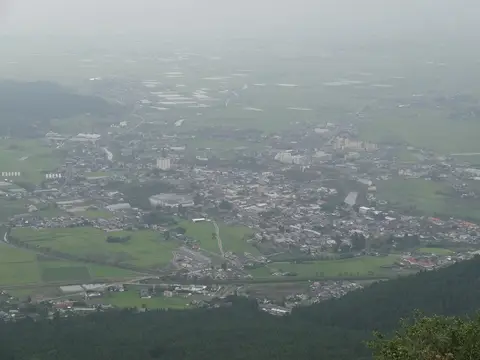
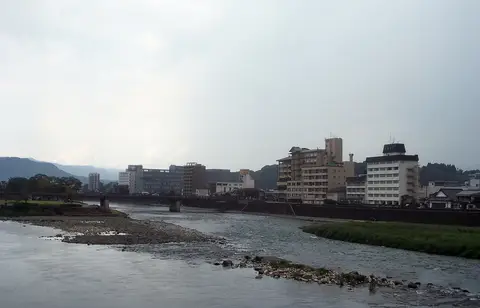
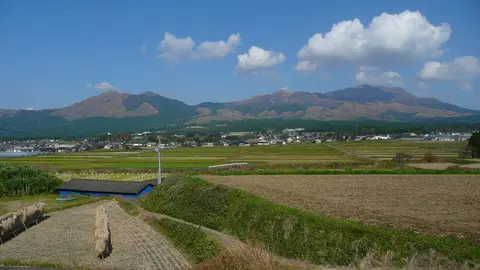
Kumamoto stretches from the Ariake Sea in the west to the Kyūshū Mountains in the east. The defining feature is Mount Aso, an active volcano in the middle of a caldera about 25 kilometers long, which holds villages, pastures, and railway lines. In the south, the Kuma River flows through the Hitoyoshi Basin; it is one of Japan's three fastest rivers. Off the west coast lie the Amakusa Islands, connected to the mainland by bridges. The prefecture is rich in spring water; the city of Kumamoto meets almost all of its drinking water needs from groundwater.
Sights in Kumamoto Prefecture
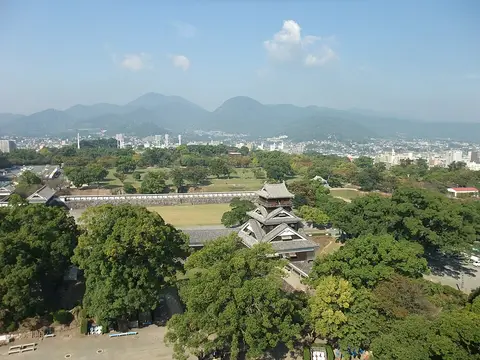
Kumamoto Castle was built in the early 17th century by Katō Kiyomasa and was famous for its curved stone walls, which attackers could not climb. It was severely damaged in the 2016 earthquake; the main keep has since reopened to visitors, but restoring the remaining walls and towers will take years. A visitor route leads along elevated walkways through the grounds. The Suizenji Garden recreates the 53 stations of the Tōkaidō in miniature, including a small Mount Fuji. At Aso, when volcanic activity permits, you can drive up to the rim of the Nakadake crater and look into the steaming, turquoise crater lake. The grasslands of Kusasenri and the pastures around Daikanbō offer sweeping views, and Minamiaso is known for its springs.
Kumamoto Destinations Beyond the Capital
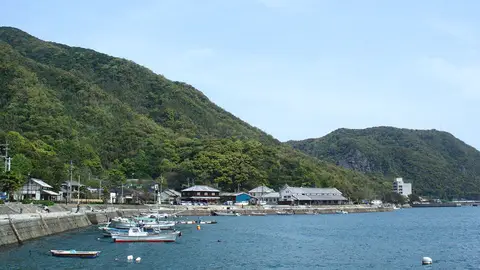
In the 16th and 17th centuries, Amakusa was a center of Japanese Christianity; after the Shimabara Rebellion, the faithful continued to practice in secret. The fishing village of Sakitsu, with its Gothic church by the harbor, is part of the World Heritage site of the Hidden Christians. Wild bottlenose dolphins live around the islands and can be spotted on boat tours. Hitoyoshi has castle ruins, onsen, and the thatched-roof Aoi Aso Shrine, a national treasure; the region is still recovering from severe flooding in 2020. Kurokawa Onsen, north of Aso, is a hot spring town where the inns jointly issue a pass for open-air baths. Yamaga is known for its lantern festival in August, in which women wear gilded paper lanterns on their heads, and Yatsushiro for its autumn Myōken Festival.
Food and Drink
Kumamoto ramen combines tonkotsu broth with fried garlic oil, which gives it a dark, aromatic note. Basashi, raw horse meat served with soy sauce and ginger, is a popular specialty. Karashi renkon is lotus root whose hollow channels are filled with spicy mustard miso and then deep-fried. Aka-ushi, the red-brown cattle of Aso, is raised on the pastures of the caldera. Kuma shōchū, made from rice, comes from Hitoyoshi and the Kuma Basin and carries a protected designation of origin. Amakusa offers fresh-caught seafood, and Yatsushiro is one of the country's largest tomato-growing regions.
Culture and History
Kumamoto was the scene of the Satsuma Rebellion of 1877, when the castle withstood a long siege by the troops of Saigō Takamori. Natsume Sōseki taught here, and Lafcadio Hearn lived in the city for several years; both of their homes can be visited. The prefecture has a strong tradition of kyūdō and swordsmanship, and demonstrations are held in the castle courtyards.
Getting There and Best Time to Visit
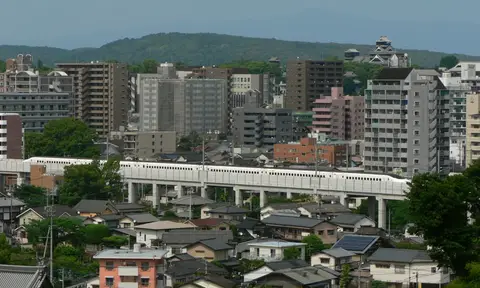
The Kyūshū Shinkansen connects Kumamoto with Hakata in about 35 minutes and with Kagoshima in about 45 minutes. Aso Kumamoto Airport lies east of the city and offers connections to Tokyo, Osaka, and a few destinations in Asia. Trains on the Hōhi Line run to Aso; for Amakusa and Kurokawa, a rental car is recommended. Spring and fall are the best times to visit. In May and June, the grasslands of Aso are a vivid green, while in winter there is sometimes snow on the heights and Kurokawa is wrapped in steam.