Discover Kumamoto: Castle, Spring Water, and Kumamon
Travel guide · editorialBlack walls, sweeping stone ramparts, and a bear with red cheeks – Kumamoto has two landmarks that couldn't be more different. The city in the heart of Kyushu is a jumping-off point for trips to Mount Aso and is worth a two- or three-day stay in its own right. Add what may be the best tap water in Japan, since the city runs entirely on groundwater.
Kumamoto Castle: Destruction and Rebuilding
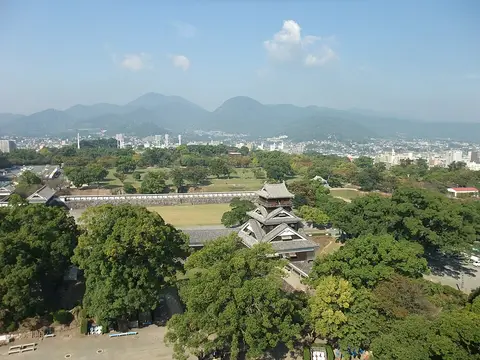
The heart of the city is Kumamoto Castle, built in the early 17th century by the warlord Kato Kiyomasa. Its walls, which curve up to an almost vertical pitch and are known as "musha-gaeshi," were designed to repel attackers – and they did just that in 1877 during the Satsuma Rebellion, when Saigo Takamori's troops were unable to take the castle. The main towers burned down at the time and were reconstructed in 1960. The severe earthquakes of April 2016 brought down walls and damaged numerous structures. The main keep has been open to visitors again since 2021 and houses a museum inside, but the full reconstruction of all the walls will take decades. An elevated walkway leads across the construction site and makes the rebuilding itself a sight worth seeing.
Sights in Kumamoto
At the foot of the castle lies Sakuranobaba Josaien, a castle-town-style complex of restaurants, souvenir shops, and a museum on the castle's history. A little to the east, easily reached by streetcar, is Suizenji Jojuen, a stroll garden laid out in the 17th century by the Hosokawa clan. A hill within it recalls Mount Fuji, and the pond is fed by clear spring water. Literary fans visit the former homes of Natsume Soseki and Lafcadio Hearn, both of whom worked as teachers in Kumamoto. The Prefectural Museum of Art in the castle grounds and the Contemporary Art Museum Kumamoto downtown round out the cultural offerings.
Kumamon and Life Downtown
The black bear Kumamon is probably Japan's most successful mascot: originally created for an advertising campaign celebrating the Shinkansen connection, he now adorns cookies, trains, and manhole covers. He makes regular appearances at Kumamon Square in Chuo ward. Just around the corner begin the covered shopping streets Kamitori and Shimotori, lined with department stores, cafés, and shops. In 2019, the Sakuramachi Kumamoto complex added a new shopping center with a bus terminal and rooftop garden.
Eating in Kumamoto
Kumamoto's cuisine is robust. Basashi – raw horse meat slices served with sweet soy sauce, ginger, and garlic – is considered a specialty and is offered at many izakaya. Karashi renkon, fried lotus root with its holes filled with spicy mustard-miso paste, is said to have once given strength to a sickly lord. Kumamoto ramen comes with a milky pork-bone broth and roasted garlic oil, and taipien, a noodle soup of Chinese origin with glass noodles, is a popular lunch. An evening here calls for a glass of shochu from the Kuma Valley in the south of the prefecture.
Going Out in Kumamoto
The nightlife district is centered on Shimotori and the alleys of Ginza-dori and Shinshigai. Here you'll find numerous small bars, izakaya, and eateries where you can get basashi and shochu late into the night. The district is compact, and many places are only a few minutes' walk from the hotels. On weekends the arcades stay lively late, street musicians play in front of the department stores, and small lines form at the ramen shops after midnight. If you prefer something quieter, take an evening stroll to the illuminated castle or along the banks of the Shirakawa River, which runs through downtown.
Getting Around Kumamoto and Day Trips
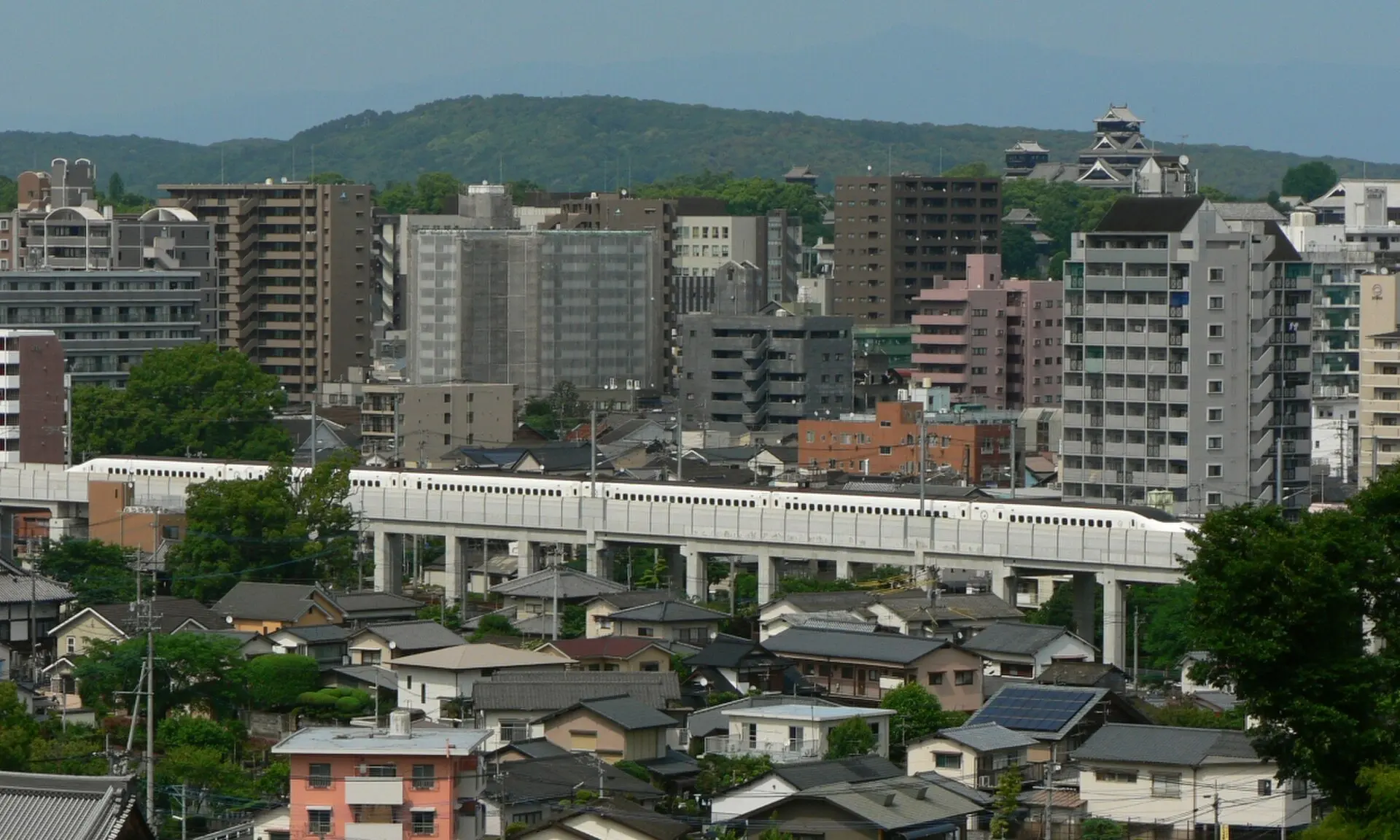
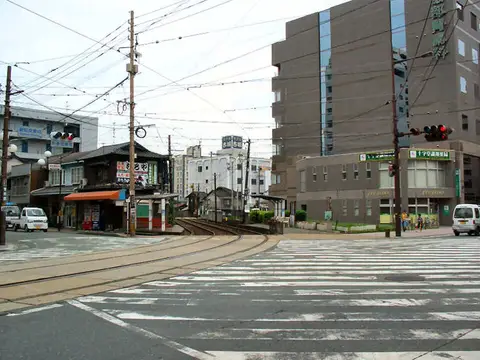
The Kyushu Shinkansen connects Kumamoto with Hakata in Fukuoka in about 35 minutes and with Kagoshima in about 45 minutes. Buses run from Aso Kumamoto Airport to the center in just under an hour. In the city, the two streetcar lines are the most practical way to get around. The best-known day trip leads to the Aso Caldera, one of the largest volcanic craters in the world, with pastures, villages, and the still-active Nakadake; access to the crater rim depends on volcanic activity. The best times to visit are spring, when the cherry trees bloom around the castle, and fall. Summer is hot and humid, and June is very rainy.