Discover Kanazawa: Kenroku-en, Teahouses, and Gold Leaf
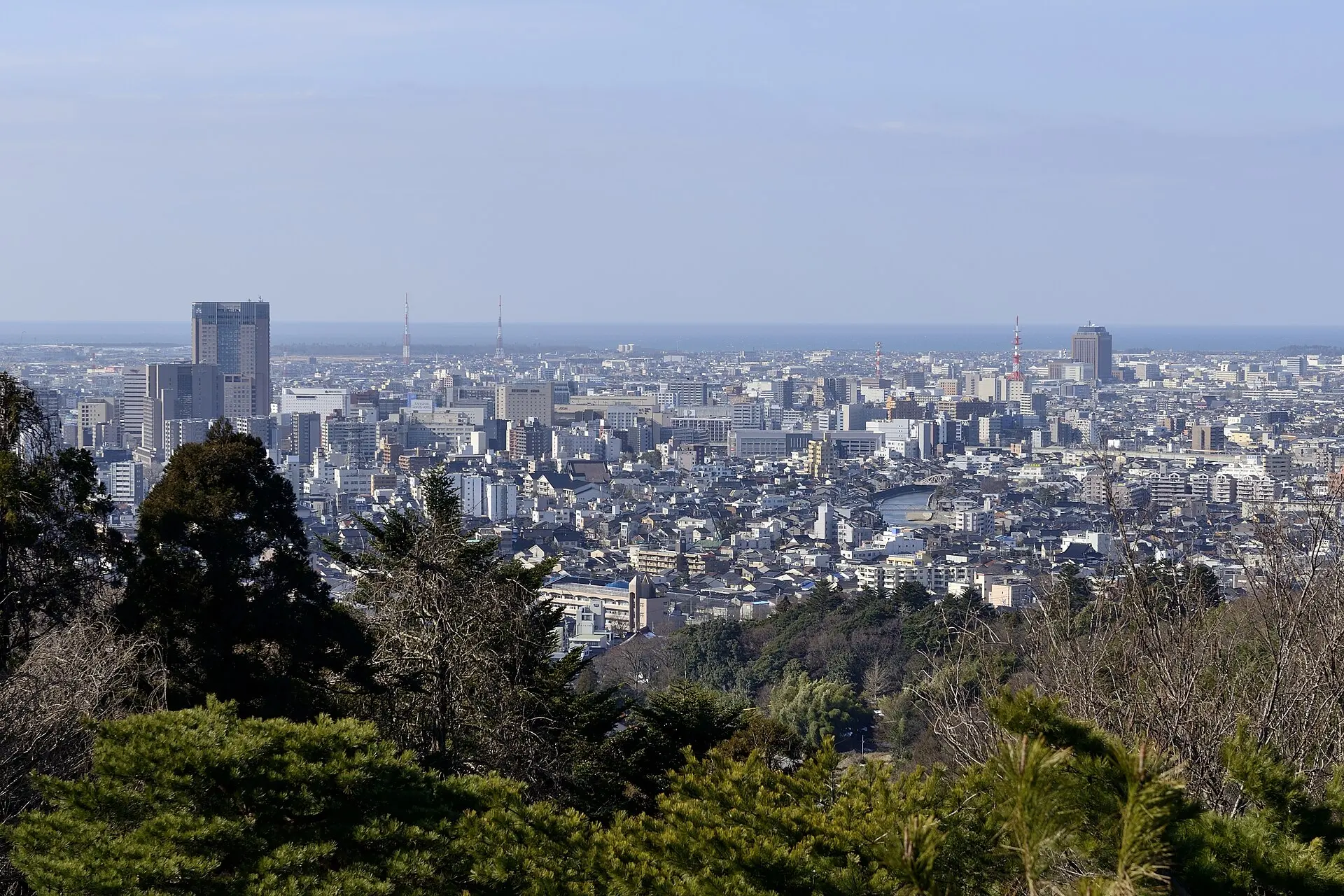
Travel guide · editorialA whole sheet of gold leaf sits on a dish of ice cream, so thin it trembles when you breathe – in Kanazawa that's not a luxury but local color. The city on the Sea of Japan escaped the bombing raids of World War II and preserved its samurai districts, teahouse alleys, and one of the most beautiful gardens in Japan. For a city break in Kanazawa, plan on at least two days.
The Wealthy Castle Town of the Maeda
From 1583, the Maeda family ruled the Kaga domain from Kanazawa, the richest fiefdom in Japan after the shogunate. Because the Maeda had to avoid drawing political attention, they poured their wealth into art and crafts: the tea ceremony, Noh theater, lacquerware, Kaga-Yūzen silk painting, and Kutani porcelain all flourished. To this day, nearly all of Japan's gold leaf comes from Kanazawa. The New Year's earthquakes on the Noto Peninsula in 2024 hit Ishikawa Prefecture hard, but Kanazawa itself got off largely unscathed.
Sights in Kanazawa
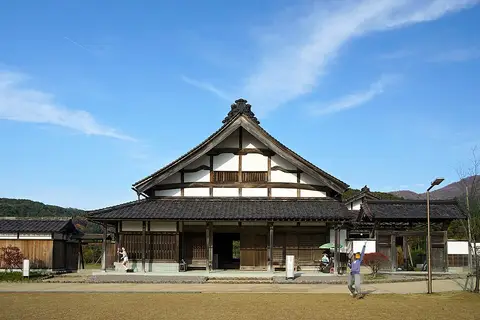
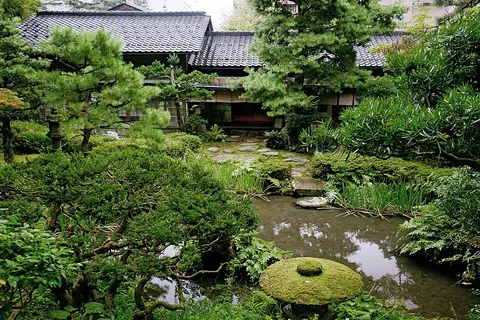
Kenroku-en is considered one of Japan's three great landscape gardens. Grown over more than a century and a half, it combines ponds, teahouses, a two-legged stone lantern, and in winter the yukitsuri, cone-shaped rope frames that protect pine branches from the weight of snow. Across the road lies the castle park with reconstructed gates and turrets whose white roof tiles were made of lead. In the Nagamachi district, lanes between earthen walls lead to samurai houses such as the Nomura family residence with its small garden. The Myōryū-ji temple, nicknamed the "Ninja Temple" for its traps, secret staircases, and hidden rooms, can only be visited on a guided tour with a reservation.
The Higashi Chaya and Kazuemachi Teahouse Districts
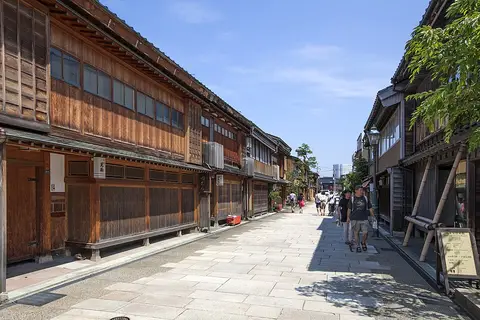
On the banks of the Asano River lies Higashi Chaya, the best known of the three teahouse districts. Behind the wooden-latticed facades, geisha once received their guests; the Shima teahouse from 1820 is open as a museum, while others have become cafés and shops selling gold leaf goods. The atmosphere is at its best in the evening, when the lanterns are lit. Kazuemachi on the other side of the river is smaller and quieter, and Nishi Chaya lies across the Sai River near the Teramachi temple district.
Museums and Modern Art
The 21st Century Museum of Contemporary Art, a flat, circular glass building by the firm SANAA, shows contemporary art and is best known for Leandro Erlich's "Swimming Pool," in which visitors appear to be standing underwater. Close by, you can meditate at the D. T. Suzuki Museum, a minimalist building by Yoshio Taniguchi with a reflecting pool, dedicated to the Zen scholar. The Ishikawa Prefectural Museum of Art displays Kutani porcelain and works from the Maeda collection, and at the Yasue Gold Leaf Museum you learn how gold is beaten down to a few ten-thousandths of a millimeter.
Eating in Kanazawa: Ōmichō Market and Winter Delicacies
The Ōmichō Market has supplied the city for almost 300 years; among the fish stalls, small eateries serve kaisendon, rice bowls topped with raw fish, shrimp, and sea urchin. In winter, crab is the star, especially the small female kōbako crabs. Nodoguro, the rosy seabass with a black throat, is considered a delicacy. Typical dishes include jibuni, a stew of duck and wheat gluten in a thickened broth, and Kanazawa oden, which is eaten here year-round. If you like hearty fare, try Kanazawa curry with a thick, dark sauce and a cutlet. In the evening, locals head for the bars and izakaya of Katamachi and Kōrinbō. Wagashi are part of tea time: Kanazawa ranks alongside Kyoto and Matsue as one of Japan's great confectionery cities, and old sweet shops offer pastries shaped to match the season.
Getting Around Kanazawa and the Best Time to Visit
Since 2015, the Hokuriku Shinkansen has run from Tokyo to Kanazawa in about two and a half hours, and since 2024 it continues on to Tsuruga. In front of the station, the wooden Tsuzumi-mon Gate with its glass dome welcomes travelers. Komatsu Airport is about 40 minutes away by bus. In the city, loop buses run to the main sights, and many routes can also be covered on foot or by rental bike. Pack an umbrella: Kanazawa is one of the rainiest cities in Japan. The best times to visit are cherry blossom season in April and the fall; in winter, snow in Kenroku-en and fresh crab are the draw. Day trips to the thatched-roof houses of Shirakawa-gō and Gokayama are well worth it.