Kyoto Prefecture: Ancient Imperial Capital and Sea Coast
Travel guide · editorialA vacation in Kyoto Prefecture takes you to the city that served as the seat of the imperial court for over a thousand years and today has around 1,600 temples and hundreds of shrines. But the prefecture reaches far beyond the famous old town: tea fields in Uji, fishing villages on the Sea of Japan, and one of Japan's three most scenic views are part of it too. If you take your time, you can also escape the biggest crowds here.
Location and Landscape
The prefecture stretches like a long ribbon from the Kyoto Basin in the south to the coast of the Sea of Japan in the north. The capital lies in a bowl surrounded by mountains, which brings hot summers and cold winters. To the north, the heavily forested Tamba Highlands follow, with towns such as Kameoka and Fukuchiyama, and beyond them the Tango region with Kyotango, Maizuru, and Miyazu. The Uji River flows out of Lake Biwa through the south of the prefecture, where green tea is grown.
Sights in the City of Kyoto
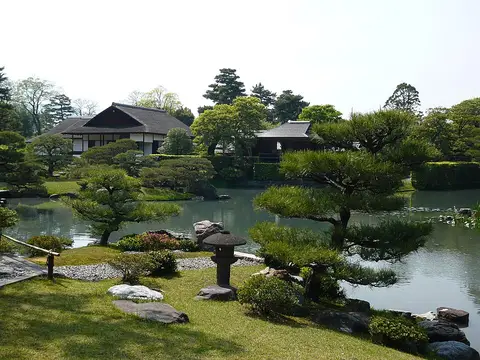
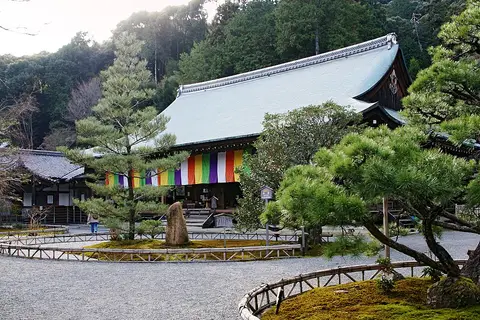
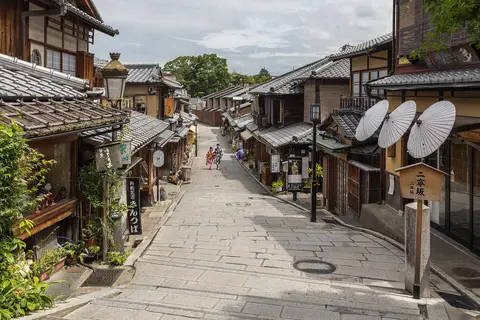
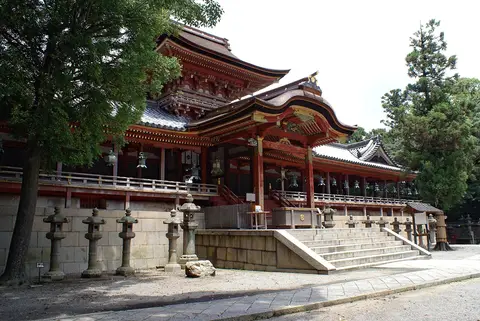
Seventeen sites in the Kyoto area together make up a UNESCO World Heritage listing. Kinkaku-ji, a pavilion covered in gold leaf, is reflected in its pond, while Kiyomizu-dera perches on an enormous wooden terrace above the city. At Fushimi Inari Taisha, thousands of orange torii gates lead up a mountain, and at Ryoan-ji you can meditate in front of a rock garden of fifteen stones. The bamboo grove and temples of Arashiyama lie to the west, while the Philosopher's Path along a canal connects the Silver Pavilion, Ginkaku-ji, with Nanzen-ji in the east. In Gion, with a little luck you may encounter a geiko or maiko on her way to a teahouse in the evening.
Kyoto Destinations Beyond the City
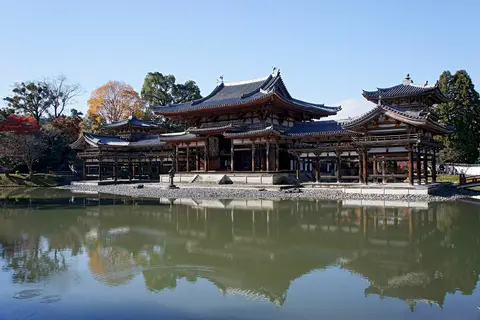
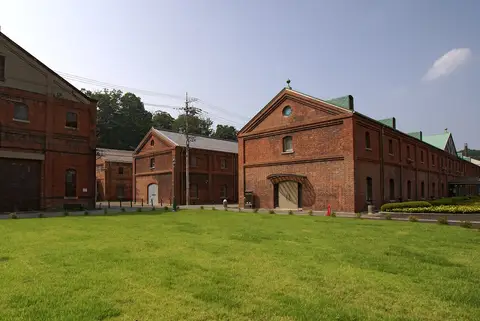
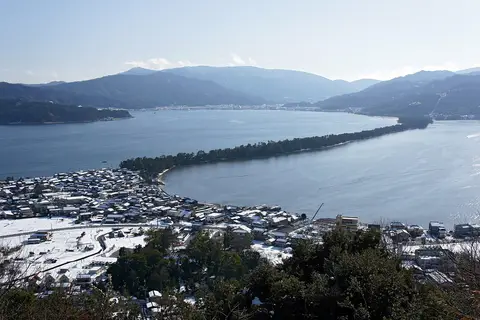
Uji is the setting of the final chapters of "The Tale of Genji" and home to Byodo-in, whose Phoenix Hall is depicted on the Japanese 10-yen coin. From Kameoka, wooden boats glide down the Hozu River to Arashiyama; alternatively, a nostalgic sightseeing train runs through the gorge. In the north, near Miyazu, lies Amanohashidate, a pine-covered sandbar spanning the bay; traditionally, you view it upside down through your own legs. In Ine, boathouses known as funaya line the water's edge. Maizuru has a naval port and red-brick warehouses, and Miyama is a village of thatched-roof farmhouses.
Culture and Festivals
Kyoto was the center of the tea ceremony, ikebana, Noh theater, and silk weaving in the Nishijin district. The Gion Matsuri in July lasts an entire month; the highlight is the procession of huge decorated floats. During the Gozan no Okuribi in August, giant characters of fire are lit on five mountains. The Aoi Matsuri in May and the Jidai Matsuri in October show courtly costumes from past eras. Numerous temples offer shukubo, overnight stays with vegetarian monastic cuisine. If you want to get hands-on, you can take classes in the tea ceremony, fabric dyeing, or calligraphy. In Fushimi, old sake warehouses along the canal can be explored by boat, and the Gekkeikan Museum shows how sake has been brewed here since the 17th century.
Food and Drink
Kyo-ryori, Kyoto cuisine, is light and seasonal. Kaiseki menus consist of many small, artfully arranged courses. Tofu and yuba, the skin that forms on soy milk, have a long tradition in temple cooking and are served, for example, in Arashiyama as yudofu. Nishiki Market, the "Kitchen of Kyoto," offers pickled vegetables, wasabi specialties, and sweets. High-quality matcha comes from Uji and is sold as tea, ice cream, or parfait. Fushimi, in the south of the city, is one of the great sake centers thanks to its soft water.
Getting There and Best Time to Visit
Kyoto lies on the Tokaido Shinkansen line; Tokyo is reachable in a little over two hours, Osaka in 15 minutes. From Kansai Airport, the Haruka Express runs directly. In the city, buses, the subway, and bicycles are practical, and you can reach the north via the Kyoto Tango Railway. Spring and fall are considered the best times to visit, though they are also the busiest weeks; in late November, temple gardens such as Eikan-do and Tofuku-ji blaze in red. If you start early in the morning or choose winter, you'll experience the city more peacefully, sometimes even with snow on the Golden Pavilion.