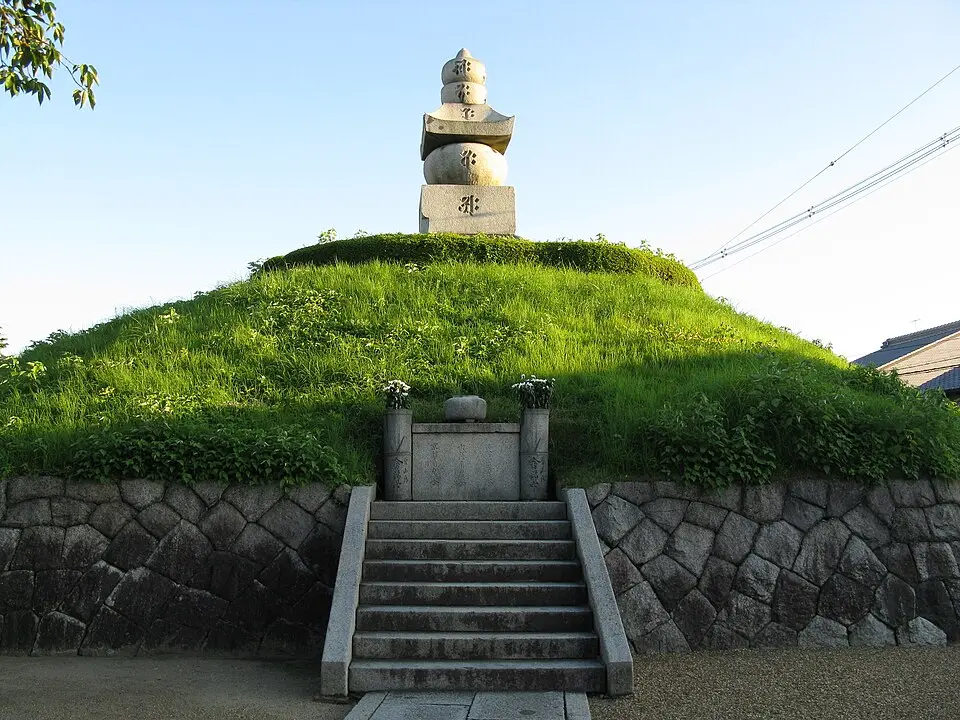
About Mimizuka
Mimizuka, originally known as Hanazuka, is a historic mound in the Higashiyama district of Kyoto and is considered one of the largest nose tombs in Japan. The monument was built by Toyotomi Hideyoshi in 1597, during the Japanese invasion of Korea. Instead of the severed heads of the fallen, which would have been logistically difficult to transport, the Japanese troops had only the noses cut off after the siege of Namwon, pickled, and shipped to Japan. The mound served as a triumphal monument and was solemnly dedicated to demonstrate military superiority. Next to the burial mound stands a gorintō, a stone stupa that was erected shortly after the mound was raised and appears on maps from 1643.
The significance and perception of the site have changed greatly over the centuries. While the Tokugawa shoguns still used the tomb as a symbol of power, the scholar Hayashi Razan secured a renaming to Mimizuka in the early 17th century, since the term "nose tomb" was considered too brutal. Later, the site was hidden behind a tall bamboo fence to shield it from the eyes of Korean envoys. In the Meiji period, the mound was restored and increasingly marketed as a tourist attraction, and Hideyoshi's act was paradoxically reinterpreted as a symbol of international reconciliation. To this day, the site remains a place of controversy, regarded particularly in South Korea as a shameful relic of war history.
Today the site is part of the national historic site Hōkō-ji. Since 1997, annual memorial ceremonies have been held, attended by Buddhist priests, Christian pastors, and representatives from Japan and South Korea to honor the fallen. Although the mound remains largely unknown in Japan itself, it is visited mainly by people of South Korean descent. The exact number of body parts buried there has never been historically documented, which underscores the site's mystical yet haunting aura.
At a glance
- Category
- Sight › Monuments
- Rating
- no reviews yet · write a review
- Address
- 533-1 Chayacho
605-0931 Kyoto, Japan - District
- Higashiyama Ward
- Phone
- +81753661498
- Website
- www.orientalarchitecture.com
- —
- Coordinates
- 34.99146° N · 135.77032° E
- Data quality
- confidence 0.83
- Identifier
- ID 58178c6c-a00…
Location & surroundings
Toggle layersFAQ about Mimizuka
quick answersWhat is Mimizuka in Kyoto?
Mimizuka is a historic burial mound in Kyoto's Higashiyama district and is considered one of the largest nose mounds in Japan. Toyotomi Hideyoshi had the monument built in 1597 during the Japanese invasion of Korea. Instead of whole heads, Japanese troops cut off the noses of the fallen after the siege of Namwon, preserved them, and shipped them to Japan. The mound served as a triumphal monument and today is part of the Hōkō-ji National Historic Site.
Why is the nose mound in Kyoto called Mimizuka?
Mimizuka means "ear mound," but the mound in Kyoto was originally called Hanazuka, or "nose mound." In the early 17th century, the scholar Hayashi Razan had it renamed because the term nose mound was considered too brutal. The site was later also hidden behind a tall bamboo fence to shield it from the eyes of Korean envoys.
Why is Mimizuka in Kyoto controversial?
Mimizuka in Kyoto is regarded, particularly in South Korea, as a shameful relic of wartime history. While the Tokugawa shoguns used the mound as a symbol of power, it was restored in the Meiji period, and Hideyoshi's act was paradoxically reinterpreted as a symbol of international reconciliation. Since 1997, annual memorial ceremonies have been held with Buddhist priests, Christian pastors, and representatives from Japan and South Korea. In Japan, the mound is largely unknown and is visited mainly by people of South Korean descent.
What can you see around Mimizuka in Kyoto?
Around Mimizuka in Kyoto, there are several historic sites connected to Hōkō-ji Temple. About 150 meters away hangs the bell with the inscription "Kokka ankō, kunshin hōraku," about 244 meters away are the ruins of Hōkō-ji's Great Buddha Hall, and about 249 meters away is Hōkō-ji itself. You'll also find the Heisei Chishinkan history museum about 240 meters away and the memorial to the Christian martyrs of the Genna era about 253 meters away.
Where is Mimizuka, and are there restaurants nearby?
Mimizuka is located at 533-1 Chayacho in Higashiyama Ward, Kyoto. travelguide195 lists about 68 restaurants within 500 meters. Next to the mound stands a gorintō, a stone stupa that was erected shortly after the mound was built and already appears on maps from 1643. Mimizuka is also part of the tour "Kyoto in One Day: Arashiyama, Higashiyama, and an Evening on the Kamo River."
Ratings & comments
none yetNear Mimizuka
closest 5 per category · 2 kmHotels
More:Monuments in Kyoto (164)Sights in Higashiyama Ward (110)All sights in Kyoto (1,084)
277 places within 2 km loaded.
Don't miss in Kyoto
All sights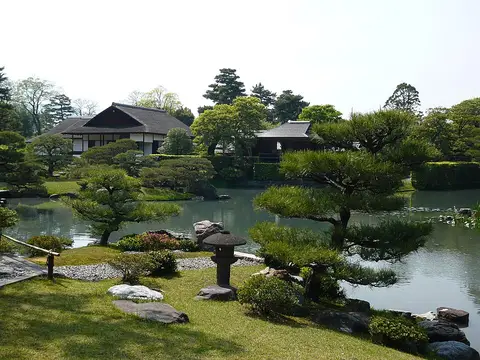 Historic sites01
Katsura Imperial Villa
Katsuramisono · Kyoto● Website● Phone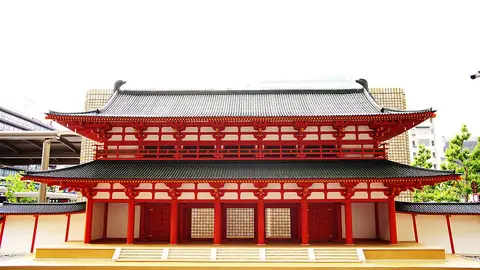 Historic sites02
Rajōmonato
南区唐橋羅城門町花園児童公園内 · Kyoto○ Website○ Phone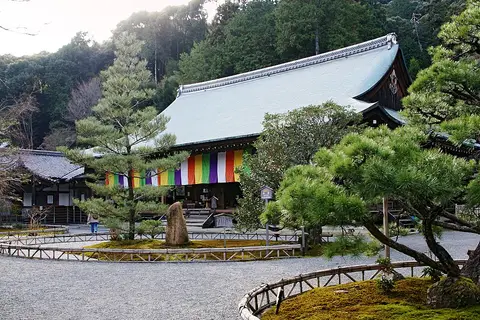 Historic sites03
Nisonin Temple
27 Saganisonin Monzen Chojincho · Kyoto● Website● Phone Historic sites04
You need a free account to leave reviews and photos – that keeps comments genuine and lets you edit them later.