About Nisonin Temple
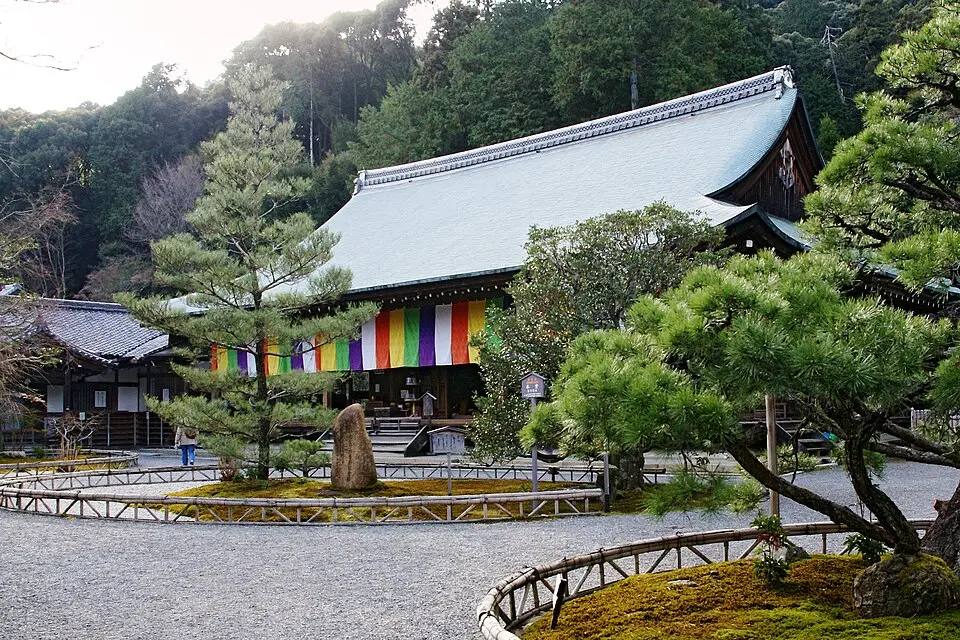
Nison-in is a Buddhist temple complex of the Tendai school in Kyoto's western Ukyō-ku district. Founded in the early Heian period at the initiative of Emperor Saga, the complex today belongs to the group of temples affiliated with Enryaku-ji. Its name comes from two important Heian-period statues, both considered important cultural properties of Japan: a figure of Gautama Buddha, who sends newborns into the world, and one of Amitabha, who welcomes the deceased. Because the original buildings were destroyed in the Onin War, the scene today is shaped mainly by the historic cemetery, with the graves of emperors and aristocrats, and by the picturesque setting on Mount Ogura. Visitors especially appreciate the spot during the fall foliage season. The temple is also known for its connection to poetry, as a villa of the poet Fujiwara no Teika once stood here. Every year in May, a performance of the historic card game karuta takes place, in which women in traditional Heian-period dress bring the old customs to life.
At a glance
- Category
- Sight › Historic sites
- Rating
- no reviews yet · write a review
- Address
- 27 Saganisonin Monzen Chojincho
616-8425 Kyoto, Japan - District
- Ukyō Ward
- Phone
- +81758610687
- Website
- kanko.city.kyoto.lg.jp
- —
- Coordinates
- 35.02170° N · 135.66953° E
- Data quality
- confidence 0.77
- Identifier
- ID 7a873599-577…
Location & surroundings
Toggle layersFAQ about Nisonin Temple
quick answersWhat is Nison-in Temple in Kyoto?
Nison-in is a Buddhist temple complex of the Tendai school in Kyoto's western Ukyō Ward, Japan. It was founded in the early Heian period at the initiative of Emperor Saga and today belongs to the temple group of Enryaku-ji. You'll find the temple at 27 Saganisonin Monzen Chojincho.
How did Nison-in in Kyoto get its name?
The name of Nison-in in Kyoto roughly means "Temple of the Two Venerated Ones" and goes back to two important statues from the Heian period. One depicts Gautama Buddha, who sends newborns into the world; the other shows Amitabha, who receives the deceased. Both figures are considered important cultural properties of Japan.
What can you see at Nison-in in Kyoto?
Today, Nison-in in Kyoto is defined above all by its historic cemetery and its picturesque setting on Mount Ogura, since the original buildings were destroyed in the Onin War. The cemetery holds the graves of emperors and aristocrats. The site is also tied to poetry, as a villa belonging to the poet Fujiwara no Teika once stood here.
When is the best time to visit Nison-in in Kyoto?
Nison-in in Kyoto is especially popular during the autumn foliage season. Another highlight is May, when a performance of the historic card game karuta takes place every year. Women dressed in traditional Heian-period clothing bring the old customs to life.
What is there to see around Nison-in in Kyoto?
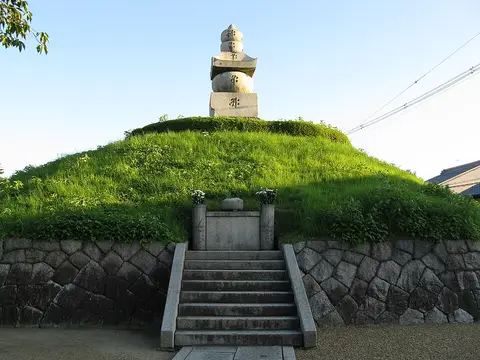
Around Nison-in in Kyoto's Ukyō Ward, you'll find several historic sites and museums. Within 1 km, travelguide195 lists, among others, the Saigyō Well (西行井戸, about 90 m), Rakushisha (落柿舎, about 180 m), the tomb of Princess Uchiko, daughter of Emperor Saga (about 180 m), the Saga Doll House Museum (博物館さがの人形の家, about 200 m), the monument to Yoshida Mitsuyoshi (about 220 m), and the viewpoint at Jōjakkō-ji (常寂光寺 展望台, about 320 m). For a break, travelguide195 also lists 7 restaurants within 500 m.
Ratings & comments
none yetNear Nisonin Temple
closest 5 per category · 2 kmCocktail bars
None within 2 km.
More:Historic sites in Kyoto (901)Sights in Ukyō Ward (102)All sights in Kyoto (1,084)
169 places within 2 km loaded.
You need a free account to leave reviews and photos – that keeps comments genuine and lets you edit them later.