
Niigata Prefecture: Rice, Sake and Snow Country
Travel guide · editorialA vacation in Niigata Prefecture is a journey into Japan's "Snow Country," the setting of the famous novel by Nobel laureate Yasunari Kawabata. In winter, blankets of snow pile up several feet deep; in summer, the country's finest rice varieties ripen on broad plains. Add to that more than 80 sake breweries, the island of Sado and ski areas that you can reach from Tokyo in just over an hour.
Landscape and Location
Niigata stretches for more than 300 kilometers along the Sea of Japan. The Echigo Plain at its center, crossed by the Shinano, Japan's longest river, and by the Agano, is one of the country's most important rice bowls. To the east and south rise the Echigo and Myōkō mountains, where monsoon winds from the continent pick up moisture over the sea and drop it as snow. Off the coast lies Sado, one of Japan's largest islands, with its own mountains and bays. In the southwest near Itoigawa, the tectonic plates of eastern and western Japan meet, a phenomenon explained in a geopark.
Cities and Towns
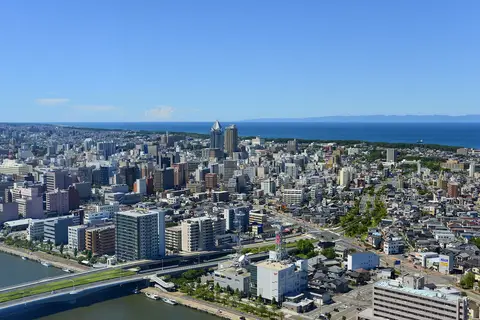
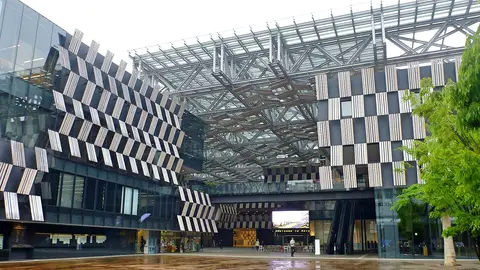
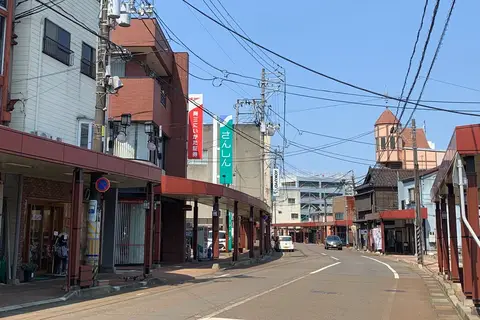
Niigata City became one of the first ports opened to foreign trade in 1869. At the mouth of the Shinano you'll find the Pier Bandai market with its fish and sushi, as well as the Furumachi district, where geishas, known here as Geigi, still work. Nagaoka is known for one of Japan's largest fireworks displays, held every year on August 2 and 3 in memory of the victims of war and earthquakes. Jōetsu has the ruins of Kasugayama Castle, home of the warlord Uesugi Kenshin, and Takada Park with its cherry blossoms and illuminated trees. Sanjō and neighboring Tsubame are centers of metalworking where you can visit forges. Murakami in the north is known for its salmon, which have been nurtured in the Miomote River since the Edo period and air-dried under the eaves of merchant houses; in autumn you can watch them swim upstream to spawn.
Sights in Niigata Prefecture
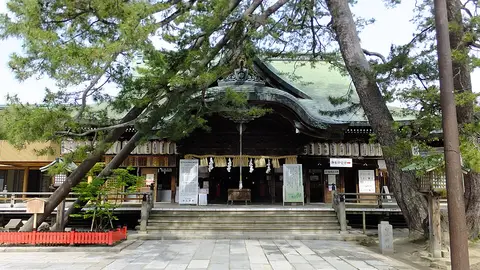
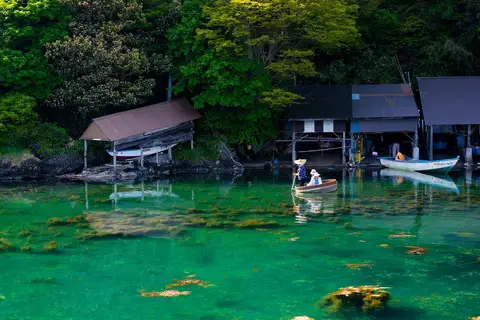
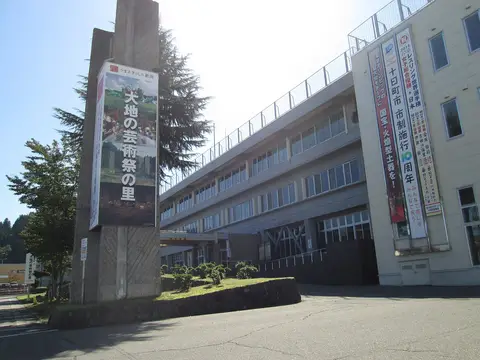
Sado was once a place of exile for emperors, monks and poets and later boomed thanks to its gold mines; the Sado gold mines have been a World Heritage Site since 2024. In Ogi, you can be rowed across the bay in taraibune, round tub boats, and the Kodō drumming group is based here and hosts the Earth Celebration festival every summer. On the mainland, the Kiyotsu Gorge is worth a visit, with a tunnel where artworks frame the views; the Echigo-Tsumari area hosts an art triennial every three years. Yahiko Shrine sits at the foot of a sacred mountain, from whose summit you can see all the way to Sado.
Winter Sports and Onsen
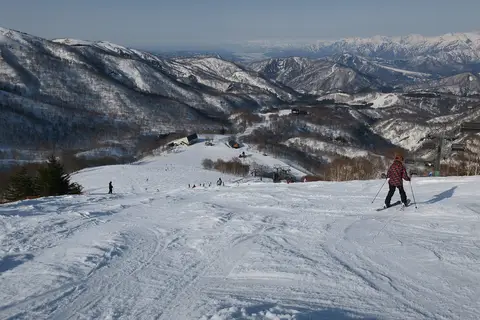
Yuzawa became famous as the setting of "Snow Country" and is now one of the most popular destinations for day trips from Tokyo, with ski areas such as Naeba, Kagura and Gala Yuzawa; Gala even has its own Shinkansen stop right at the slopes. Myōkō Kōgen in the southwest offers deep powder snow and hot springs, while Minamiuonuma has the slopes of Ishiuchi Maruyama. In winter, visitors walk through villages where houses are buried in snow up to the second floor and experience snow festivals with lanterns.
Food and Drink
Koshihikari rice from Uonuma is considered the best in Japan and is served as onigiri or simply alongside grilled fish. The prefecture has more sake breweries than any other; at Echigo-Yuzawa Station you can sample dozens of varieties from vending machines at Ponshukan. Hegi soba, buckwheat noodles bound with seaweed, are served in portions on flat wooden trays. Noppe is a vegetable stew, and tare-katsudon, a cutlet with sweet soy sauce over rice, is a specialty of the capital. From Sado come yellowtail and crab, and from the plain, pears and edamame.
Getting There and Best Time to Visit
The Jōetsu Shinkansen connects Tokyo with Niigata in about two hours, stopping at Echigo-Yuzawa and Nagaoka; the Hokuriku Shinkansen serves Jōetsumyōkō and Itoigawa. Jetfoils and car ferries to Sado depart from Niigata and Naoetsu. Niigata Airport has domestic connections and a few international routes. The best time to visit is May through October for Sado, hiking and festivals, and December through March for snow and winter sports. The new rice is harvested at the end of September.