Discover Hiroshima: Peace Park, Streetcars, and Okonomiyaki
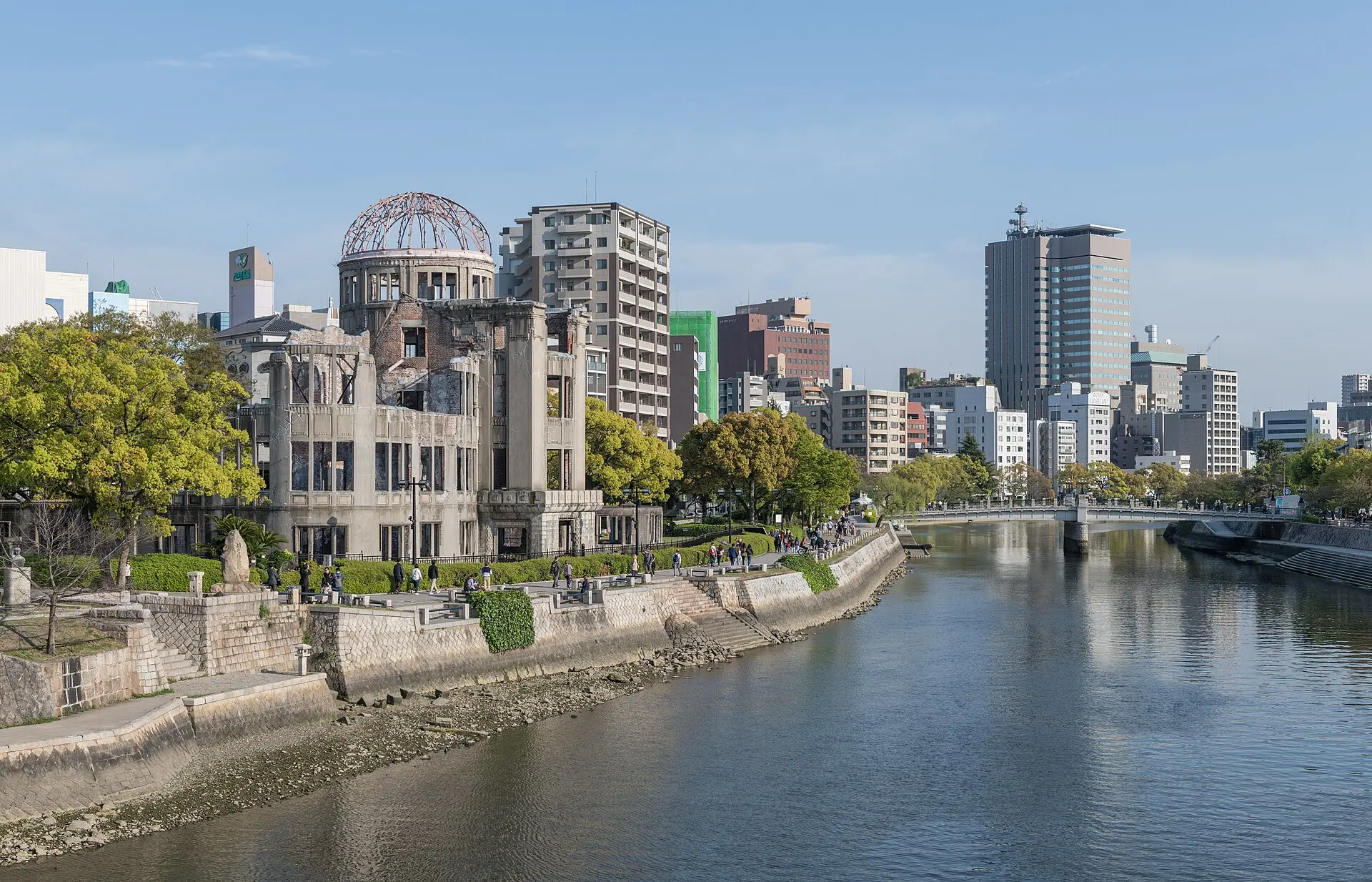
Travel guide · editorialIn the morning, the green streetcar rolls past the ruins of the Atomic Bomb Dome, and school groups fold paper cranes at the Children's Peace Monument – if you're planning a trip to Hiroshima, remembrance is the first thing you'll encounter. Yet the city in the delta of the Ōta River is above all lively, green, and surprisingly relaxed today. A vacation in Hiroshima combines reflection with okonomiyaki, evenings at the ballpark, and a side trip to Miyajima Island.
From Castle Town to Symbol of Peace
Hiroshima was founded in 1589, when the feudal lord Mōri Terumoto had his castle built on a river island. Later, the Asano family ruled here for over two centuries, and in the Meiji era the city grew into an important military and port hub. On August 6, 1945, the first atomic bomb ever used in war destroyed large parts of the center; tens of thousands died instantly, and many more in the aftermath. Reconstruction began just a few years later, and in 1949 a special law declared Hiroshima a City of Peace. Today it is a city of over a million people, home to Mazda and to the baseball club Hiroshima Toyo Carp, whose red caps you'll see everywhere.
Sights in Hiroshima
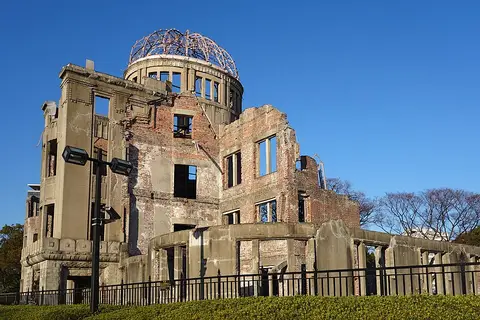
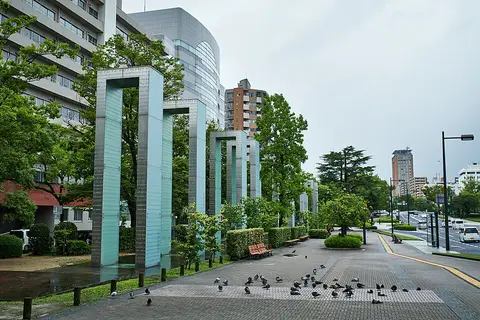
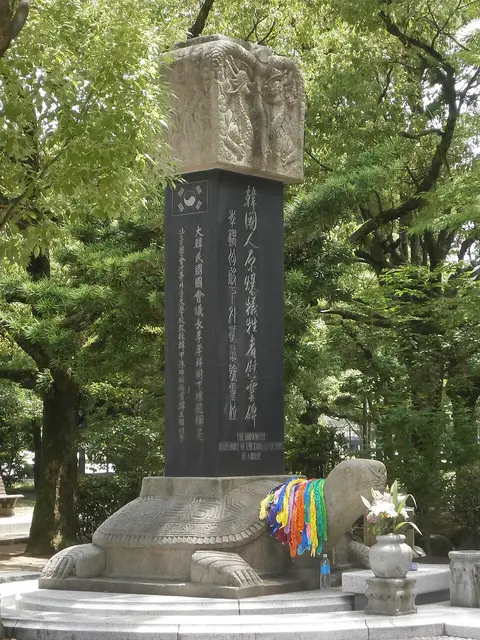
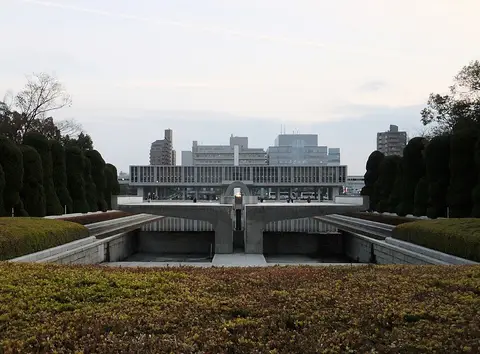
Almost every exploration begins at Peace Memorial Park in Naka Ward. The Atomic Bomb Dome, the surviving skeleton of the former Industrial Promotion Hall, has been a UNESCO World Heritage Site since 1996. Across from it stands the Peace Memorial Museum, designed by Kenzō Tange, which tells the story of what happened that morning in haunting fashion through the personal belongings of victims – charred school uniforms, a watch stopped at the moment of the blast. Plan on at least two hours, and leave yourself time afterward to catch your breath along the riverbank. A few streetcar stops away rises Hiroshima Castle, whose main keep was reconstructed in 1958 and houses a small museum on the samurai era. Not far from there, Shukkei-en, a landscape garden from the early 17th century, invites you to linger among its teahouses, bridges, and carp pond. Art lovers will find French Impressionists at the Hiroshima Museum of Art.
Miyajima and Excursions Around Hiroshima
The best-known excursion leads to Miyajima. From Miyajimaguchi, the ferry crosses to the island in about ten minutes, where Itsukushima Shrine stands on stilts in the water; its great vermilion torii seems to float at high tide. Tame deer accompany visitors, and if you set out early, you can hike up Mount Misen or take the ropeway before the day-trip crowds arrive. If you have more time, head east to the port town of Onomichi, with its temple paths and the starting point of the Shimanami Kaidō cycling route, or to the sake town of Saijō, where several breweries crowd around the train station.
Eating in Hiroshima: Okonomiyaki and Oysters
Much of the food scene revolves around one specialty: Hiroshima-style okonomiyaki. Unlike in Osaka, the batter isn't mixed together but layered – a thin pancake, a mound of cabbage, pork belly, noodles, a fried egg, and finally plenty of dark sauce. At Okonomimura near the Hondōri shopping street, numerous small stalls share several floors, and you sit right at the hot griddle. In winter, oysters from Hiroshima Bay are a must, whether grilled, fried, or in a stew. Add to that cold tsukemen noodles with spicy dipping sauce and, as a souvenir, the maple-leaf-shaped momiji manjū from Miyajima.
Nightlife and City Life
In the evening, life shifts to Naka Ward. The covered Hondōri arcade and the side streets of Hatchōbori are full of department stores and izakaya, while the Nagarekawa district, with its small bars, karaoke, and snack bars, forms the traditional nightlife scene. Between April and September, a Carp home game at Mazda Zoom-Zoom Stadium near the train station in Minami Ward is well worth it: the atmosphere is boisterous, and the fans are considered the most loyal in the country. On August 6, the day of remembrance, thousands of people set paper lanterns afloat on the Motoyasu River – a quiet, moving moment.
Getting Around Hiroshima and Best Time to Visit
By Shinkansen, Hiroshima is about 90 minutes from Osaka and around four hours from Tokyo. Hiroshima Airport lies roughly 50 kilometers (31 miles) to the east, and limousine buses reach the center in just under an hour. Once you're there, the Hiroden streetcar is the ideal way to get around: it connects the train station, Peace Memorial Park, and even the ferry terminal for Miyajima. The best times to visit are spring for the cherry blossoms and autumn, when the maple forests on Miyajima glow; summer is hot and humid, and oyster season runs from about November to February.