Ōita Prefecture: Japan's Onsen Prefecture
Travel guide · editorialNo place in Japan has as many hot springs as Ōita – the prefecture calls itself the "Onsen Prefecture" and leads the country in both the number of springs and their output. A vacation in Ōita Prefecture is therefore all about bathing: in the mud baths of Beppu, in the village of Yufuin at the foot of a volcano, or in forest baths in the mountains. Add to that ancient stone Buddhas and one of the country's most important shrines.
Landscape and Location
Ōita lies in the northeast of the island of Kyūshū on the Seto Inland Sea. The Kunisaki Peninsula juts into the sea as a round volcanic massif, while in the south the coastline, with its bays and islands, stretches as far as Saiki. Inland, volcanoes such as Tsurumi, Yufu and the Kujū massif shape the landscape, the latter with upland moors and peaks of almost 1,800 meters (5,900 feet). Basins such as Hita and Taketa lie between mountains and rivers. The prefecture is rich in gorges, waterfalls and bamboo forests.
Beppu and Yufuin
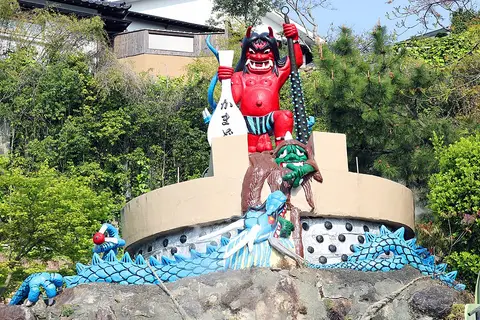
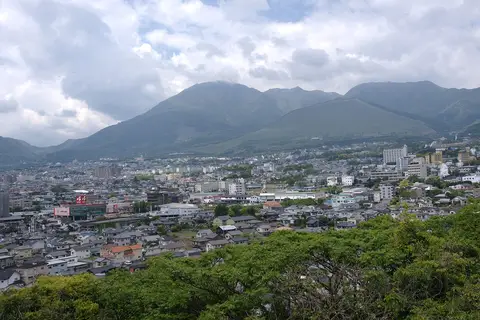
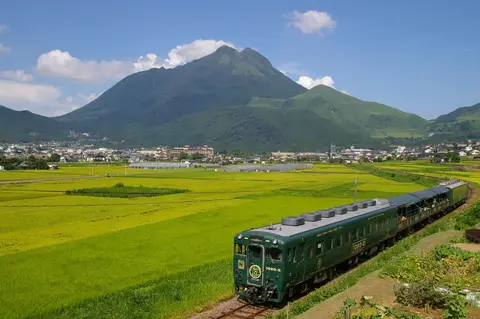
In Beppu, columns of steam rise from the ground in thousands of places. The "Hells" of Beppu are springs that you only look at: the blood-red Chi-no-Ike, the cobalt-blue Umi-Jigoku, or a geyser that erupts at regular intervals. In bathhouses such as Takegawara Onsen, a wooden building from 1879, you can have yourself buried in hot sand. In the Kannawa district, cooking is done with steam – visitors steam vegetables, eggs and seafood in steam baskets. Yufuin, half an hour inland, is quieter and more artistic, with galleries, cafés and ryokan at the foot of the twin-peaked Mount Yufu. On cool mornings, mist rises over the water of Lake Kinrin.
Sights in Ōita Prefecture
Usa Jingū is the head shrine of all the Hachiman shrines in Japan, of which there are tens of thousands; its red halls stand in a vast forest. On the Kunisaki Peninsula, a distinctive blend of Buddhism and mountain worship developed, and its temples survive, such as Fuki-ji, one of the oldest wooden halls on Kyūshū, along with Buddha reliefs carved into the rock. In Usuki stand some 60 stone Buddhas dating from the 12th to 14th centuries, which are designated a National Treasure. The Harajiri Falls near Bungo-Ōno are called the "Niagara of the East," and the Kokonoe Yume Suspension Bridge is one of the highest pedestrian bridges in Japan. Nakatsu has the Yabakei rock gorge and Rakan-ji temple with its thousands of stone figures.
Cities and Towns
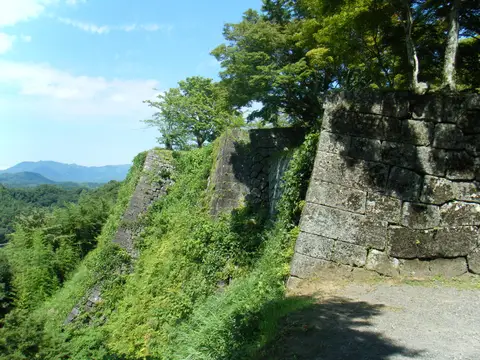
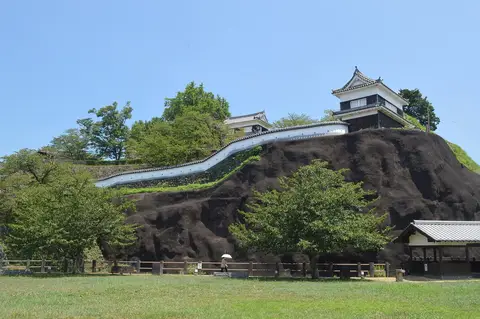
Ōita City is the administrative center and has an attraction in Takasakiyama Natural Zoological Garden, home to hundreds of wild macaques. In the Edo period, Hita was a trading town placed directly under the shogunate; the Mameda-machi district has merchant houses and a soy sauce brewery. Taketa is a castle town with the ruins of Oka Castle, which inspired the composer Rentarō Taki to write a famous song. Kitsuki preserves samurai districts on two hills, with merchant streets running between them. Saiki and Usa lie on the coast. Bungo-Takada on the Kunisaki Peninsula preserves a 1950s-style shopping street known as Shōwa no Machi, which recalls postwar Japan with its old shops and a toy museum.
Food and Drink
Toriten, chicken in tempura batter, and karaage, fried chicken, are so popular in Ōita that Nakatsu is considered the "karaage capital." Seki-saba and Seki-aji, mackerel from the Bungo Channel, are famous throughout Japan for their firm flesh and are eaten raw. Kabosu, a small green citrus fruit, seasons almost every dish. Dango-jiru is a soup with flat dough noodles, and shiitake from Ōita are among the best in Japan. Soba is grown in the Bungo-Takada area, and numerous shōchū distilleries use barley.
Getting There and Best Time to Visit
Ōita Airport is on the Kunisaki Peninsula and is connected by bus to Beppu and Ōita in about 45 minutes. The Sonic Express connects Hakata with Beppu in about two hours, and the Yufuin no Mori runs as a sightseeing train from Hakata to Yufuin. Ferries from Osaka and Kōbe dock in Beppu overnight. Fall and winter are considered the best time for a bathing vacation, when steam and cold air create atmosphere. In spring, cherry trees bloom along the hiking trail in the Kujū area, and in June the azaleas bloom on the highlands.