Discover Beppu: Hells, Sand Baths, and Steam Cooking
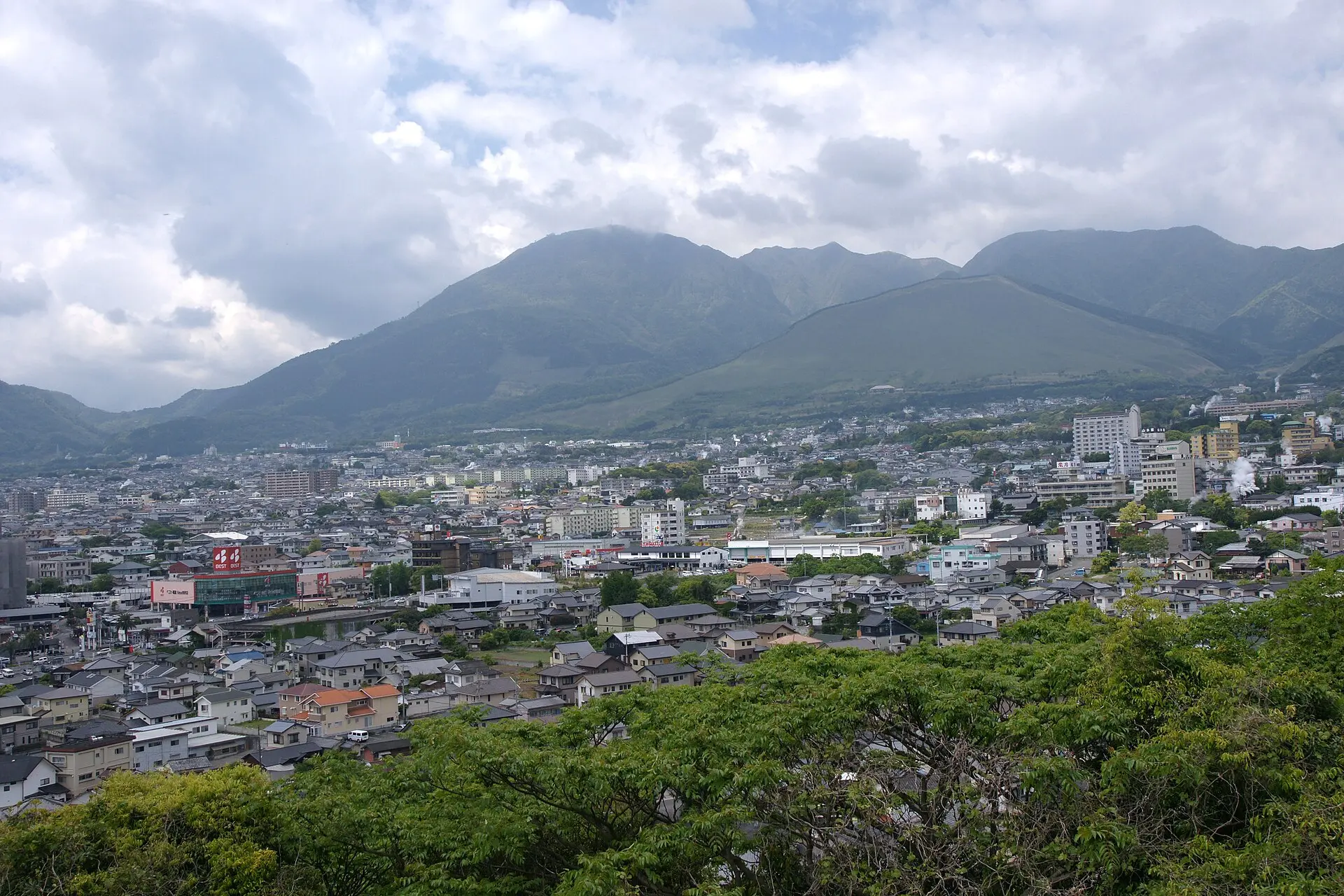
Travel guide · editorialBeppu is a city that steams: white plumes rise from storm drains, rooftops, and hillsides, and there's a public bath on practically every corner. A vacation in Beppu is the quintessential Japanese onsen trip – with boiling ponds, sand baths by the sea, and dishes cooked in the steam of the earth.
The Onsen Capital
Beppu bubbles up from thousands of springs, and nowhere else in Japan does more hot water flow from the ground. The city is divided into eight onsen areas, known as the Beppu Hattō, each with its own type of water: from clear, salty springs to muddy, sulfurous baths in the mountains. Visitors collect stamps in a booklet as they try to visit as many as possible. In the old town near the train station stands Takegawara Onsen, a wooden building from 1938 where attendants cover you in warm black sand for a sand bath. On Shōningahama Beach, there's a sand bath with an ocean view.
Sights in Beppu: The Hells
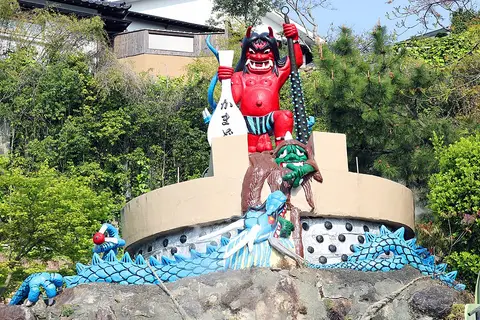
The Jigoku, or hells, are boiling springs that are too hot for bathing and are visited as a natural spectacle. Most of them are in the Kannawa district: Umi Jigoku glows cobalt blue like the sea, Chinoike Jigoku is blood red from iron-rich clay, and in Oniishibōzu Jigoku, gray mud bubbles rise like bald monks' heads. A little farther away, Tatsumaki Jigoku shoots skyward at regular intervals as a geyser. With a combination ticket, you can visit several hells in one day, and a bus connects them. From Kannawa, you can see columns of steam rising over the rooftops, an image that has become the city's landmark.
Eating in Beppu
In Kannawa, cooking is done with geothermal heat: with jigoku-mushi, you place vegetables, eggs, seafood, and meat in baskets and let them cook in the hot steam of the springs, and at some restaurants you can do it yourself. Typical of the prefecture are toriten, fried chicken in tempura batter, and dango-jiru, a soup with flat noodles. Beppu reimen, cold noodles in a clear broth, came to the city after the war with returnees from Manchuria. In the evenings, izakaya and small bars open in the area around the train station, popular with the many international students of Ritsumeikan Asia Pacific University.
Baths for Every Taste
Besides the large hotel baths, Beppu has hundreds of small communal baths where locals bathe daily for a small fee; visitors are welcome at many of them but should observe the etiquette and wash thoroughly before bathing. In Myōban in the mountains, bath salts are made from minerals in straw huts, and you bathe in milky blue water with a view of the bay. At Hyōtan Onsen, you can choose between a waterfall bath, steam bath, and sand bath, and Hotta has steam baths that were already popular in the Edo period.
Getting There, Excursions, and Best Time to Visit
Buses run from Ōita Airport to Beppu in about 45 minutes, and the Limited Express Sonic gets you here from Hakata in around two hours. Overnight ferries connect to Osaka and Kobe. The cable car up Mount Tsurumi offers views over the bay. Worthwhile excursions include the onsen town of Yufuin and the Kunisaki Peninsula. The best time to visit is from fall through spring, when hot baths feel especially good.