Kōchi Prefecture: Wild Rivers and Katsuo no Tataki
Travel guide · editorialKōchi is considered the wildest prefecture on Shikoku: long Pacific coastlines, clear rivers, and people known for their capacity for drink and their independent spirit. A vacation in Kōchi Prefecture takes you to an original castle, to "Japan's last clear river," and to fishermen who sear bonito over straw fires. Sakamoto Ryōma, one of the fathers of modern Japan, also came from here.
Landscape and Location
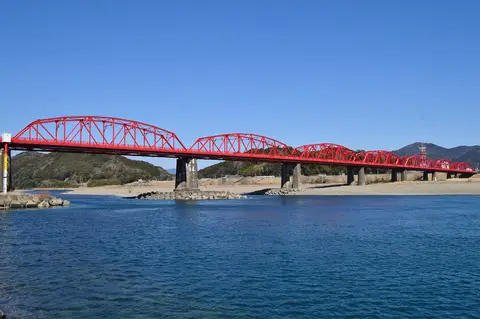
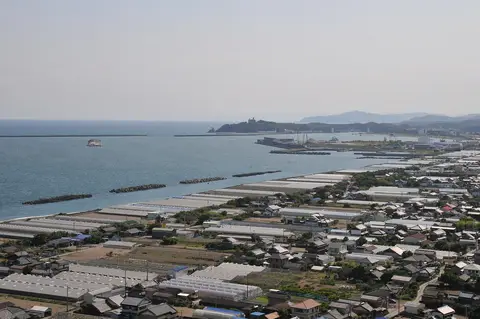
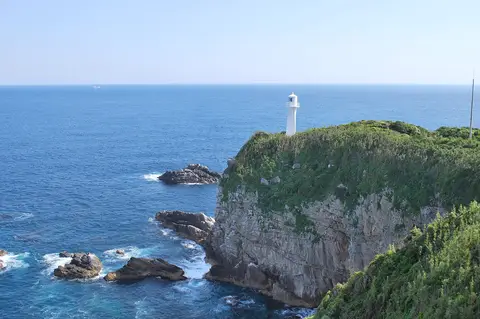
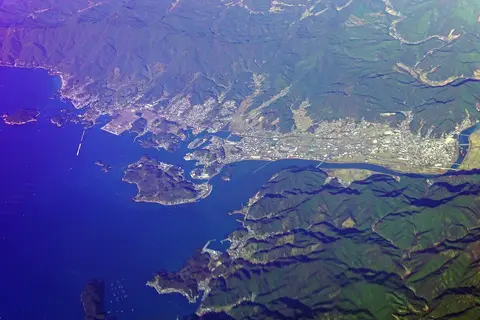
Kōchi stretches in a long arc along the southern side of Shikoku, following Tosa Bay. Behind the coast rise the Shikoku Mountains, which shield the prefecture from the rest of the island. Cape Muroto in the east and Cape Ashizuri in the west jut out into the Pacific. In the west, the Shimanto River flows through forests without major dams; in the east, the Niyodo River glows in a blue all its own. The climate is warm and rainy, and typhoons pass through in summer. The Niyodo's water has even earned its own color name: Niyodo Blue is the shade you see especially intensely in the Nakatsu Valley and the Yasui Valley.
Sights in Kōchi Prefecture
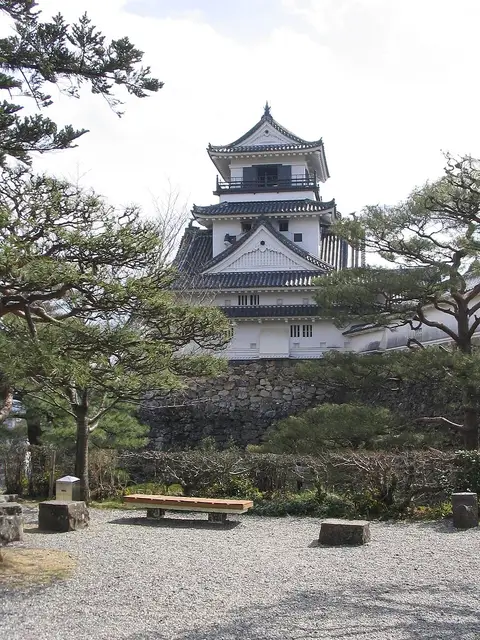
Kōchi Castle has one of the twelve original surviving keeps and is the only one that also retains its complete main palace. At its foot, the Nichiyōichi, a street market with more than 300 years of history, takes place on Sundays. At Katsurahama Beach, a statue of Sakamoto Ryōma gazes out over the sea. The Shimanto is known for its chinkabashi, low bridges without railings that are submerged when the water rises; canoe tours and bike paths follow the river. Cape Ashizuri near Tosashimizu has sheer cliffs and a white lighthouse, and Cape Muroto is a UNESCO Geopark. The Ryūgadō limestone cave and the Makino Botanical Garden on Mount Godai are popular excursions.
Cities and Towns
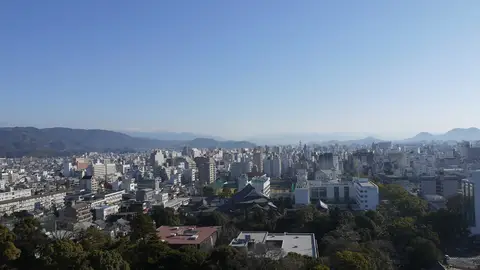
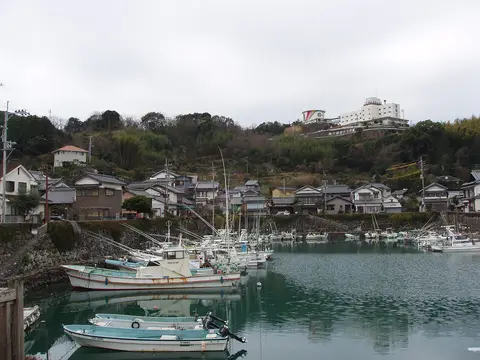
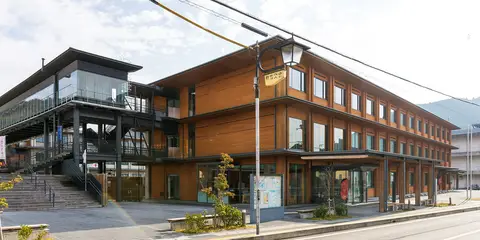
Kōchi City is lively and compact, with streetcars and the Hirome Market, a hall full of food stalls where you'll be clinking glasses with strangers by lunchtime. Nankoku is home to the airport, and in neighboring Kami stands the Anpanman Museum, dedicated to a children's character created by Kōchi-born artist Takashi Yanase. Susaki and Sukumo are fishing towns, and in the village of Yusuhara, Kengo Kuma designed several wooden buildings.
Food and Drink
Katsuo no tataki is Kōchi's signature dish: bonito is seared on the outside over burning straw while the inside stays raw, and it is eaten with salt or ponzu, garlic, and scallions. Sawachi ryōri are large platters of sashimi, sushi, and side dishes served at celebrations. Yuzu from Kōchi accounts for a large share of Japan's production. Kōchi is sake country, favoring dry varieties, and in the Henpai drinking game you down cups that have no base in a single go.
Festivals and Best Time to Visit
The Yosakoi Matsuri, held August 9 to 12, was invented in 1954 and has since spread across Japan: dance groups with wooden clappers parade through the city in colorful costumes. Kōchi Ryōma Airport serves Tokyo and Osaka, and trains run over the mountains to Okayama and Takamatsu. A rental car is recommended for the Shimanto and the capes. Spring and fall are considered the best times to visit; spring is also the best bonito season.