Discover Kōchi: Castle, Katsuo, and Yosakoi
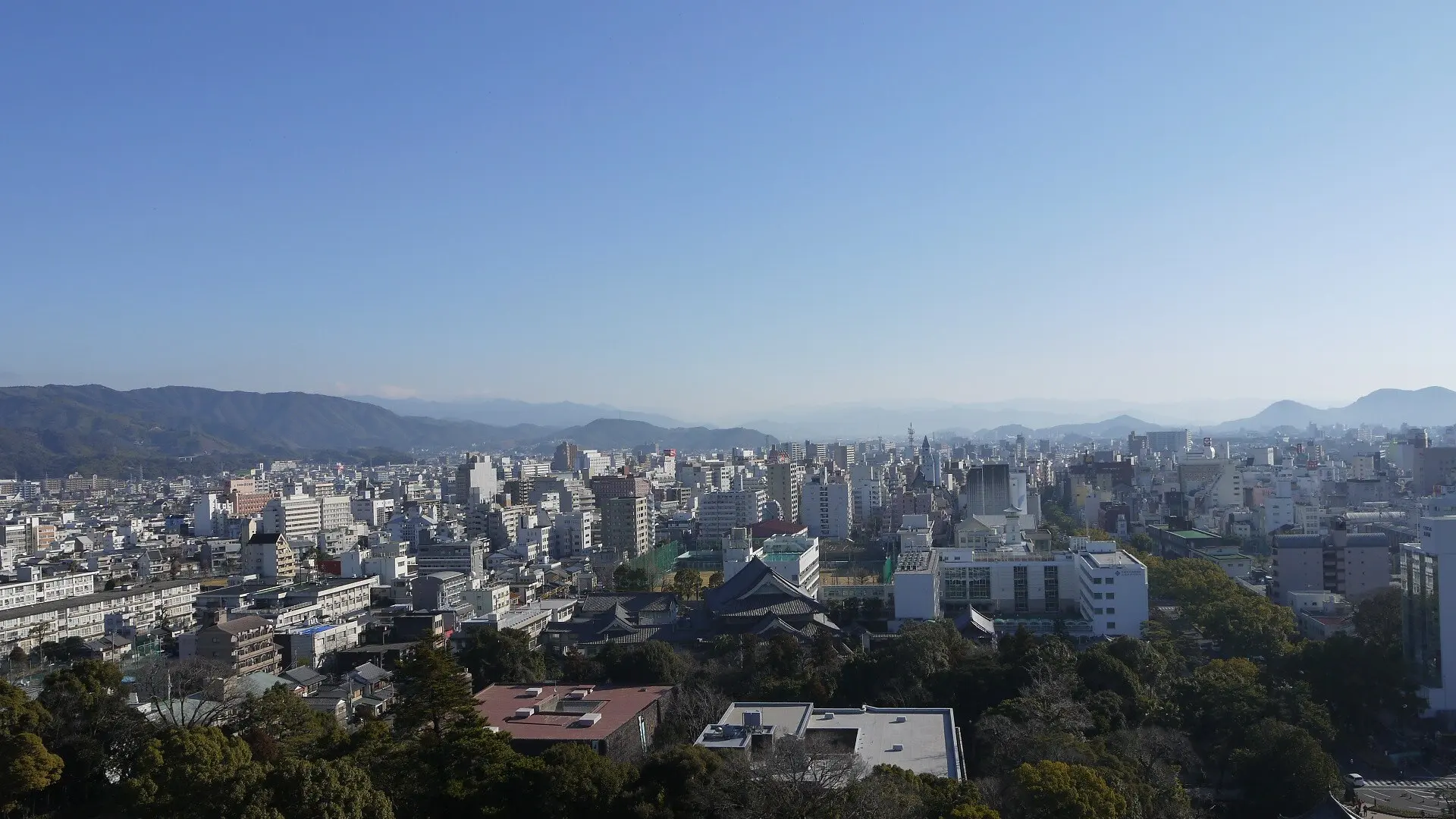
Travel guide · editorialBonito seared over flaming straw, long tables full of strangers who soon become friends, and thousands of dancers clacking wooden clappers every August: Kōchi loves a loud, lively celebration. A vacation in Kōchi takes you to Shikoku's Pacific coast, to one of the few original surviving castles in Japan, and in the footsteps of a national hero.
Tosa's Castle and History
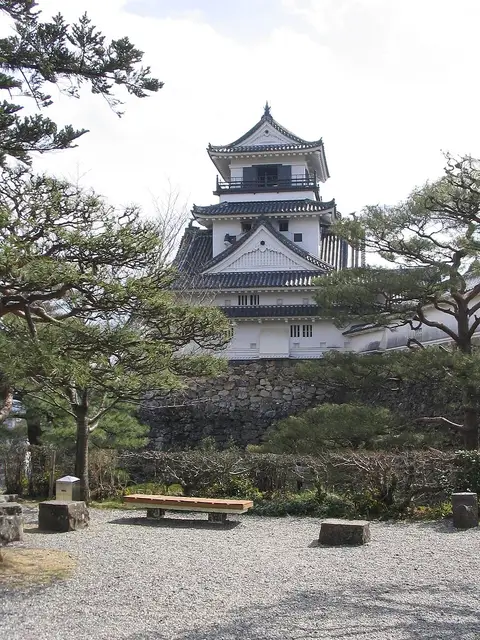
Kōchi Castle is one of just twelve castles in Japan whose main keep dates from the Edo period; the present structure was built in the mid-18th century. It was the seat of the lords of Tosa, a province that played a key role in the overthrow of the shogunate in the 19th century. Its most famous son is Sakamoto Ryōma, who wanted to lead Japan into the modern age and was assassinated in 1867. He is remembered by a large statue on Katsurahama Beach and by a museum that ranks among the best-known sights in Kōchi.
Markets and Food in Kōchi
The Hirome Market is the city's living room: a covered hall full of stalls where you buy your food and eat it at shared tables, often with beer or sake, even at lunchtime. The prefecture's signature dish is katsuo no tataki, bonito seared over burning straw on the outside and raw on the inside, served with salt, garlic, and citrus. Every Sunday, a market more than three centuries old fills the main street, Ōtesuji, with vegetables, knives made from Tosa steel, and yuzu products. At festivals, locals serve sawachi ryōri, enormous platters of sashimi and sushi. Kōchi is known as the prefecture of big drinkers, and drinking games are part of the tradition.
The Yosakoi Festival
Every year since 1954, groups in colorful costumes have danced through the streets from August 9 to 12, each dancer holding naruko clappers and accompanied by music trucks. What began as a local festival became the model for yosakoi festivals across the country. The city is packed during this time, so book your accommodations early. Right by the train station, by the way, stands the little Harimaya Bridge from a well-known folk song, famous for the fact that visitors had imagined it would be bigger.
Excursions and Nature
The Makino Botanical Garden on Mount Godaisan honors the botanist Makino Tomitarō, and right next door is Chikurin-ji, a temple on the Shikoku pilgrimage route of 88 temples. To the west you'll find the Niyodo River with its strikingly blue water and, farther away, the Shimanto, one of Japan's last undammed rivers. The best time to visit is spring or fall; Kōchi is warm and rainy, and typhoons can occur in late summer.
Getting Around Kōchi
Kōchi Ryōma Airport is about half an hour to the east, with buses running to the center. By train, you can reach the city from Okayama on the Dosan Line in a little over two and a half hours. Once there, the Tosaden streetcar, one of the oldest in Japan, is the most convenient way to get around; buses run to Katsurahama and Godaisan. For trips along the coast to Cape Muroto or to the Shimanto, a rental car is handy. If you have more time, combine Kōchi with a tour of Shikoku, for example with Matsuyama and its Dōgo Onsen or the udon shops of Kagawa.