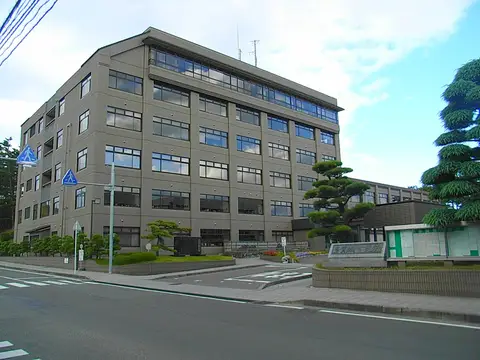
Miyagi Prefecture: Sendai, Matsushima and Tōhoku
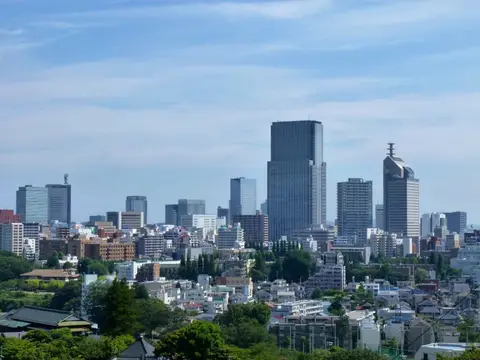
Travel guide · editorialA vacation in Miyagi Prefecture usually begins in Sendai, the green big city of the north, known as the "City of Trees." From here, you can quickly reach the pine-covered islands of Matsushima, the onsen valleys of the Ōu Mountains and a coastline that has reinvented itself since the 2011 tsunami. Miyagi is the gateway to the Tōhoku region and deserves more than just a stopover.
Landscape and Location
Miyagi lies in the northeast of Honshū and stretches from the Ōu Mountains in the west to the Pacific Ocean. The Sendai Plain is defined by rice paddies, and around Ōsaki, Tome and Kurihara lie wetlands such as Izunuma-Uchinuma, where tens of thousands of geese rest in winter. In the north, the Sanriku Coast frays into bays and peninsulas with fishing ports such as Kesennuma and Ishinomaki. In the west, the Zaō Mountains rise along the border with Yamagata.
Sendai
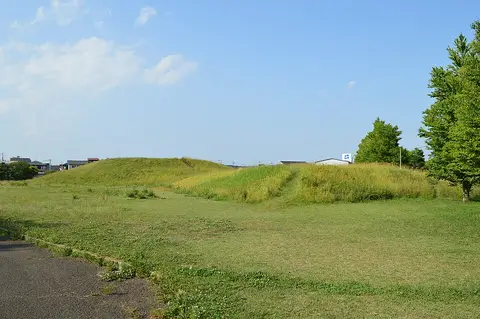
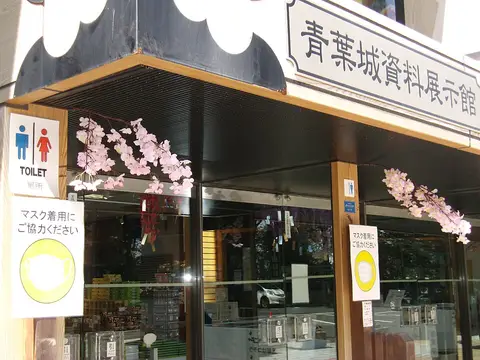
Sendai was founded in 1600 by Date Masamune, the one-eyed lord whose equestrian statue looks out over the city from the castle hill of Aobayama. His mausoleum, Zuihōden, is lavishly painted and sits in a cedar forest. The avenue Jōzenji-dōri is lined with zelkova trees, which glow in December during the Pageant of Starlight light festival. Toyo Ito's Sendai Mediatheque is considered an architectural landmark. The Ōsaki Hachimangū, a National Treasure in black and gold lacquer, is one of the most beautiful shrines in the prefecture. Akiu Onsen and Sakunami Onsen lie in the mountains within the city limits. North of Sendai, near Ōsaki, lies the hot-spring resort of Naruko Onsen, known for kokeshi wooden dolls and the Narukokyō Gorge, whose maple forests blaze with color in autumn. In Tome, the Toyoma district preserves samurai houses and a Meiji-era school building, which is why it is called Miyagi's Little Kyoto. With the Kurikoma Mountains, Kurihara offers high moors and hiking trails.
Sights in Miyagi Prefecture
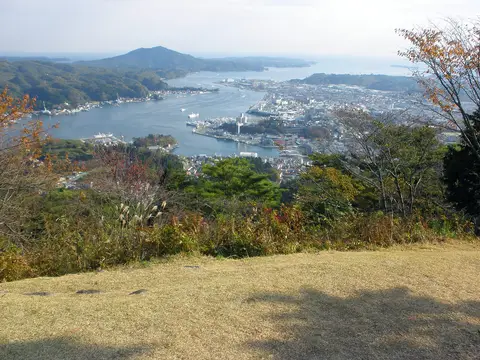
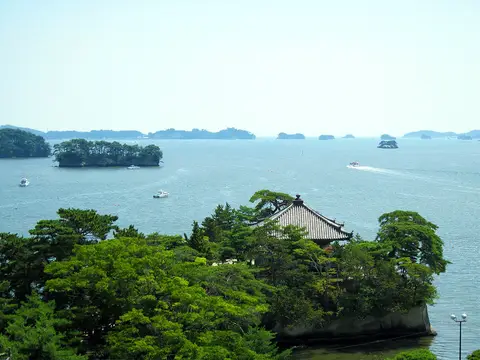
Matsushima ranks among the three most beautiful landscapes in Japan. More than 200 small pine-covered islands are scattered across a shallow bay that you can explore by excursion boat. On the shore stands Zuigan-ji, a Zen temple with caves and gilded sliding doors, while the Godaidō pavilion sits on a rocky islet reached by bridges. The poet Bashō is said to have been left speechless at the sight. In Ishinomaki, the Manga Museum honors Shōtarō Ishinomori, the creator of Kamen Rider, and several memorial sites recall the 2011 tsunami. Zaō Okama, an emerald-green crater lake, can be reached by mountain road. At the Zaō Fox Village near Shiroishi, hundreds of foxes roam freely on the grounds.
The Coast After 2011
The earthquake and tsunami of March 11, 2011 hit Miyagi especially hard. The destroyed Arahama Elementary School in Sendai and the Ōkawa memorial site in Ishinomaki are now places of remembrance. Along the coast, the Michinoku Coastal Trail was created, a long-distance hiking route of more than 1,000 kilometers that leads through fishing villages and forests. In Kesennuma, the harbor was rebuilt, and shark fin processing, oyster farming and sake brewing have recovered.
Food and Drink
Sendai is famous for gyūtan, grilled beef tongue served with barley rice and oxtail soup. Zunda, a sweet paste of crushed edamame, is served on mochi or as a milkshake. Oysters from Matsushima Bay are eaten in winter grilled, as kaki-fry or raw. The coast around Shiogama and Ishinomaki supplies tuna and sea squirts, a delicacy that takes some getting used to. Sasa-kamaboko, fish paste shaped like a bamboo leaf, is a classic souvenir. Plenty of sake is also brewed in Miyagi, often dry and robust.
Getting There and Best Time to Visit
On the Tōhoku Shinkansen, you can reach Sendai from Tokyo in about 90 minutes. Sendai Airport is connected to the city center by a rail line and offers domestic flights and some connections within Asia. The Senseki Line takes about 40 minutes to Matsushima. Spring and early summer are considered the best times to visit; in April, the cherry trees bloom along the Shiroishi River in front of the Zaō Mountains. From August 6 to 8, the Sendai Tanabata Matsuri decorates the shopping arcades with giant paper ornaments. In October the forests change color, and in winter onsen and the snow monsters of Zaō are the draw.