Ehime Prefecture: Dōgo Onsen, Citrus, and Island Bridges
Travel guide · editorialA vacation in Ehime Prefecture combines one of Japan's oldest bathhouses with citrus groves on steep hillsides and a cycling route across the islands of the Seto Inland Sea. The prefecture in northwestern Shikoku is sunny, mild, and relaxed; Matsuyama is considered one of the most livable cities in the country. If you cycle the Shimanami Kaidō, you'll end your ride here in Imabari.
Landscape and Location
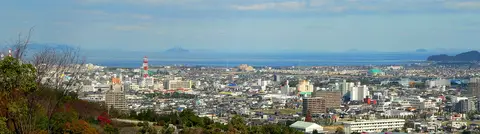
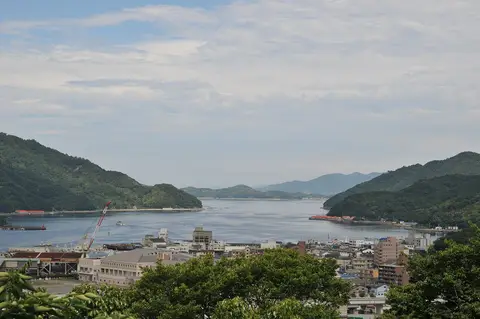
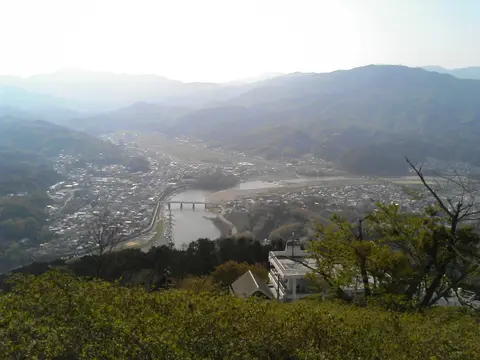
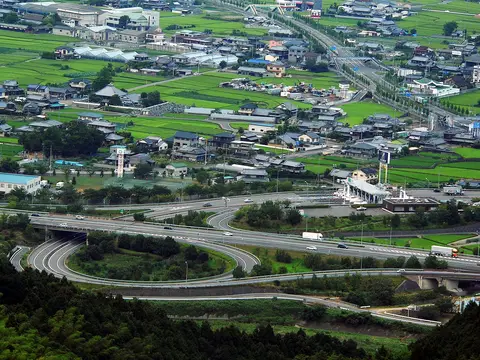
Ehime stretches in a long arc along the Seto Inland Sea and the Uwa Sea on the western side of Shikoku. In the east lie the industrial cities of Niihama, Saijō, and Shikokuchūō, overlooked by Mount Ishizuchi, the highest mountain in western Japan at nearly 2,000 meters. The center is formed by the Matsuyama Plain; to the south, indented coastlines with pearl and fish farming around Uwajima follow, along with the narrow Sadamisaki Peninsula near Yawatahama and the mountainous area around Ōzu. Off Imabari, the Geiyo Islands are scattered, linked by bridges to Hiroshima.
Sights in Ehime Prefecture
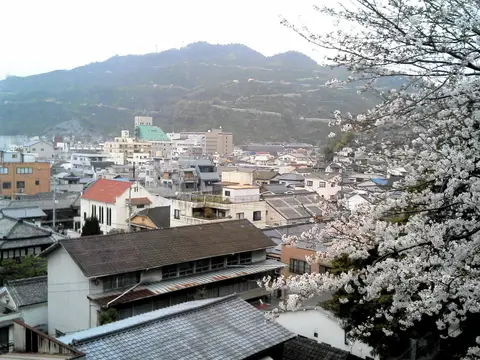
Dōgo Onsen in Matsuyama is mentioned in Japan's oldest chronicles. The main building from 1894, with its wooden tiers and drum tower, is said to have been one inspiration for the bathhouse in Ghibli's "Spirited Away"; after years of restoration, it is fully open again. In the upstairs resting room, tea and sweets are served after your bath. Matsuyama Castle, on a hill in the middle of the city, has one of Japan's twelve original surviving main keeps and can be reached by chairlift. Ōzu, a castle town on the Hiji River, preserves the Garyū-sansō villa, a fine teahouse building above the water. Uchiko was a center of wax production, with merchant houses and a kabuki theater from 1916.
Shimanami Kaidō and the Islands
The roughly 70-kilometer Shimanami route connects Imabari with Onomichi in Hiroshima via six islands and seven bridges, with dedicated bike lanes. Along the way you'll find Ōyamazumi Shrine on Ōmishima with a large collection of ancient armor, Murakami pirate museums, and citrus fields. In Imabari, the castle ruins with seawater in the moat recall the castle builder Tōdō Takatora. The city is also Japan's center of towel weaving. Beneath the Kurushima-Kaikyō Bridge, powerful tidal currents form whirlpools that you can experience up close on boat tours.
Pilgrimage Route and Culture
Ehime is a stage of the Shikoku Henro, the pilgrimage route to 88 temples around the island. Twenty-six of them lie in the prefecture, including Ishite-ji in Matsuyama with a cave passage and temple buildings from the Kamakura period. You'll see pilgrims in white robes all year round. Matsuyama is the birthplace of the haiku poet Masaoka Shiki, and Natsume Sōseki's novel "Botchan" is set here – the city dedicates a tram and sweets to the work. In the south, Uwajima is worth a visit with its small, original surviving castle and the Tensha-en garden of the Date lords, as are Yawatahama with its fish markets and Cape Sadamisaki, from which ferries depart for Kyūshū. Niihama recalls its mining history with the Besshi copper mine; at Minetopia Besshi, tunnels are on display, and the ruins of Tōnaru are called the Machu Picchu of Japan because of their hillside location.
Food and Drink
Ehime is one of Japan's largest citrus producers. Mikan mandarins and newer varieties such as iyokan or Beni Madonna are sold as juice, which, according to legend, flows from the taps in Matsuyama. Tai-meshi, rice cooked with sea bream, comes in two variants: cooked in Matsuyama, and raw in Uwajima, served over rice with egg and soy sauce. Jakoten, fried fish paste from Uwajima, and yakibuta-tamago-meshi from Imabari are popular everyday dishes. Imabari is also known for yakitori cooked on a hot griddle.
Getting There and Best Time to Visit
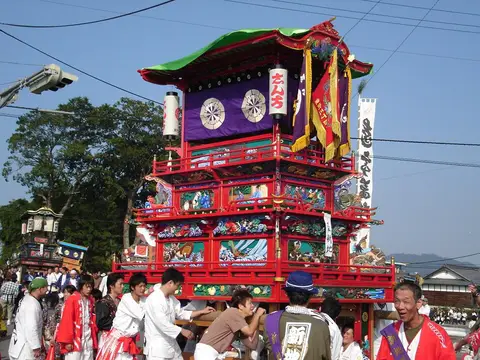
Matsuyama Airport is close to the city and has connections to Tokyo, Osaka, and Seoul. Express trains link Matsuyama with Okayama over the Seto-Ōhashi Bridge in about two and a half hours, and ferries call at Hiroshima and Kitakyūshū. Streetcars run in the city, including the nostalgic Botchan train. Spring and fall are the best times to visit, especially for cycling tours on the Shimanami Kaidō. Citrus fruits are harvested from November to March, and in October, processions carry magnificent danjiri floats to the river at the Saijō Festival.