Discover Matsuyama: Castle Hill and Dōgo Onsen
Travel guide · editorialNatsume Sōseki already sent his novel's hero Botchan to the hot springs here, and to this day Matsuyama is above all a city for soaking, strolling, and climbing up to a castle. A trip to Matsuyama takes you to the largest city on Shikoku, where streetcars trundle leisurely between Castle Hill and Dōgo Onsen.
Matsuyama Castle
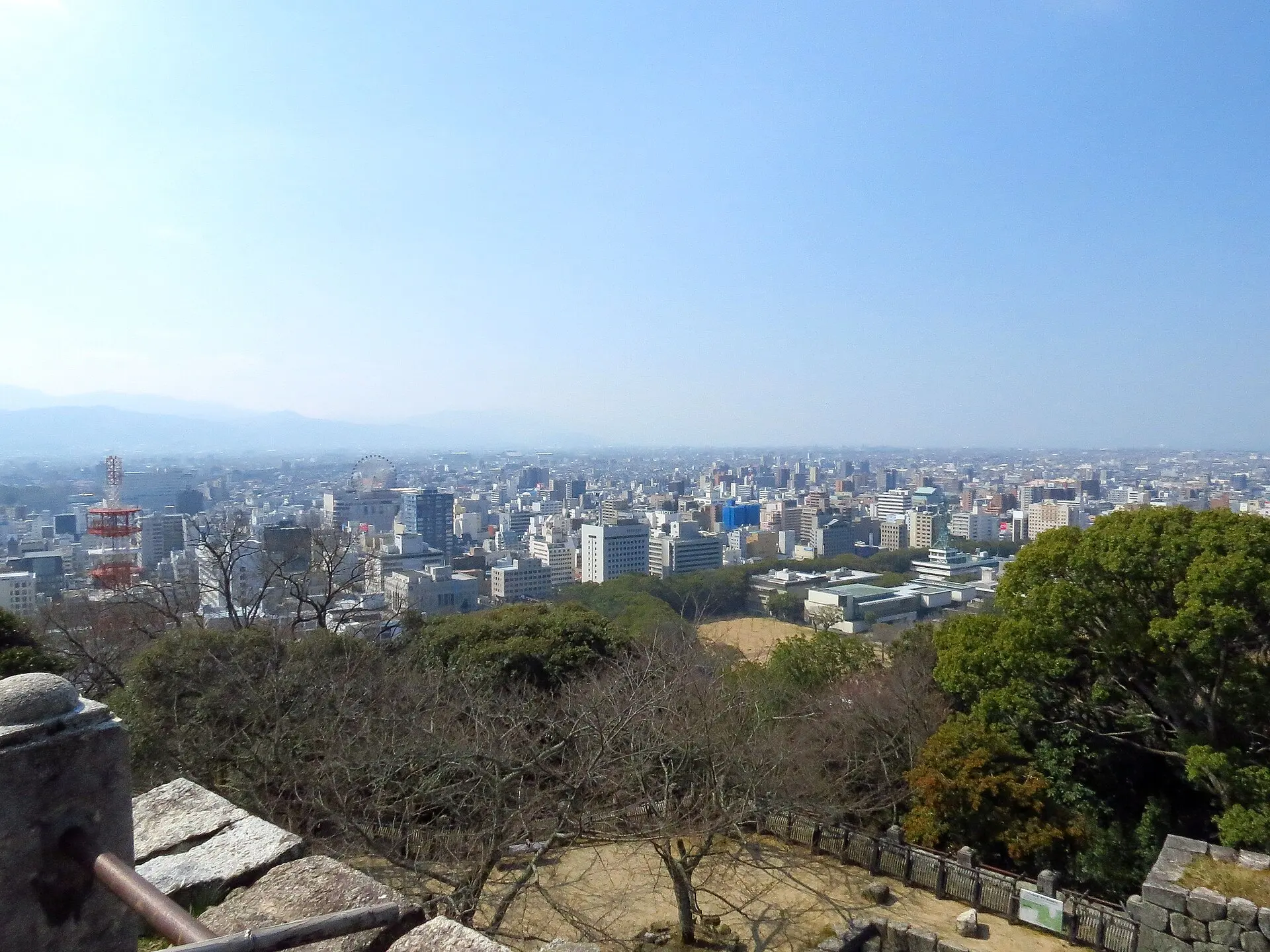
Right in the middle of the city, Katsuyama Hill rises with Matsuyama Castle, one of Japan's twelve castles whose main keep dates from before 1868. A chairlift or a cable car carries visitors up; if you prefer, take one of the footpaths through the woods. Inside, steep wooden staircases lead through the floors, and at the top the view stretches over the rooftops all the way to the Seto Inland Sea. In spring, hundreds of cherry trees bloom around the castle, and the lawns turn into picnic spots.
Dōgo Onsen
Dōgo Onsen is considered one of the oldest hot springs in Japan. The wooden bathhouse Dōgo Onsen Honkan, built in 1894 and topped with its drum tower, was restored over several years while remaining open and has been fully accessible again since the end of 2024. Nearby are the Asuka-no-yu bathhouse, built in the style of the early imperial era, and Tsubaki-no-yu, a plainer bathhouse used by locals. In the arcade in front of the bathhouse, shops sell towels, mikan juice, and Botchan dango, three-colored rice dumplings; the music clock at Dōgo Station sets figures from Sōseki's novel dancing every hour on the hour.
Culture and Sights in Matsuyama
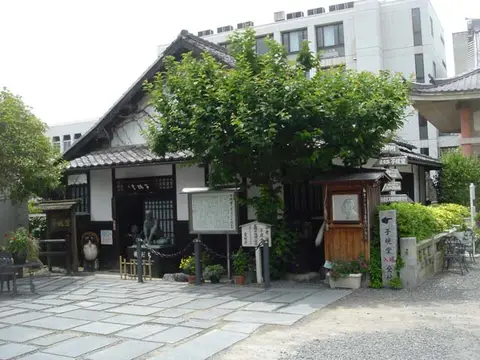
Matsuyama is the home of the haiku poet Masaoka Shiki, who has his own museum here; around the city you'll find mailboxes where you can drop in haiku you've written yourself. The Saka no Ue no Kumo Museum, designed by Tadao Andō, tells the story of Shiki and the Akiyama brothers, heroes of a well-known novel by Ryōtarō Shiba. Ishite-ji, Temple 51 on the Shikoku pilgrimage route, with its cave passage and three-story pagoda, is one of the most atmospheric on the island.
Excursions in the Area
About an hour to the southwest lies Uchiko, a small town that grew rich on wax in the 19th century; merchant houses with white plastered walls line Yōkaichi Street, and the Uchiko-za theater from 1916 is still in use today. Farther south, Ōzu Castle, rebuilt in traditional wooden construction, towers over the Hijikawa River. Closer to the city, the islands off the coast beckon, such as Gogoshima, which is a short ferry ride away and easy to explore by bike.
Eating, Getting Around, and the Best Time to Visit
Ehime Prefecture is famous for citrus fruit, and you'll encounter mikan as juice, ice cream, and jelly. An evening at one of the restaurants in Matsuyama calls for tai-meshi, rice with sea bream, as well as jakoten, fried fish cakes from the south of the prefecture. For a night out, head to the Ōkaidō and Gintengai arcades and the pub alleys behind them. Matsuyama Airport (MYJ) is only about 20 minutes by bus from the center, and the Iyotetsu streetcar and the replica steam train Botchan Ressha connect the station, the castle, and Dōgo. The best times to visit are spring and fall. One day trip leads to Imabari, the starting point of the Shimanami Kaidō cycling route, which runs across bridges and islands all the way to Honshū.