Mexico: Pyramids, Beaches, and Great Food
Travel guide · editorialA vacation in Mexico usually leads to the Caribbean coast around Cancún, but the country is far more than beaches and all-inclusive resorts. If you plan a trip to Mexico a little more broadly, you'll discover Maya ruins in the jungle, colonial towns in the highlands, markets selling twenty varieties of dried chiles, and a capital that ranks among the most exciting metropolises in the world.
Landscapes Between Desert and Rainforest
Mexico is more than five times the size of Germany and extraordinarily diverse in terms of landscape. In the north, deserts and cactus country dominate, cut through by Copper Canyon in the Sierra Madre Occidental, which is deeper than the Grand Canyon. The Baja California peninsula stretches for more than 750 miles between the Pacific and the Gulf of California, where gray whales give birth to their calves in winter. The central highlands sit at over 6,500 feet, surrounded by volcanoes such as Popocatépetl and Pico de Orizaba, the country's highest mountain. In the south, in Oaxaca and Chiapas, the mountains turn greener, with cloud forests and coffee plantations covering the slopes. The Yucatán Peninsula in the east is flat and shaped by limestone; in its countless cenotes, collapsed karst caves filled with clear freshwater, you can swim and dive.
Mexico City, Guadalajara, and the Colonial Cities
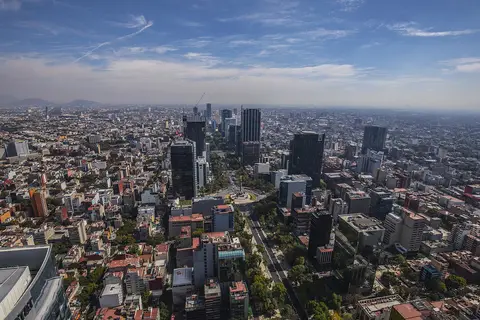
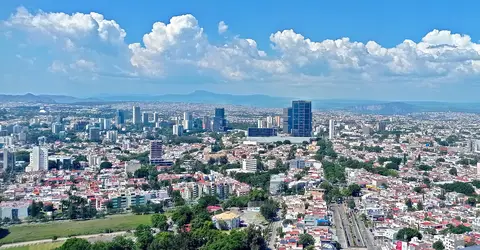
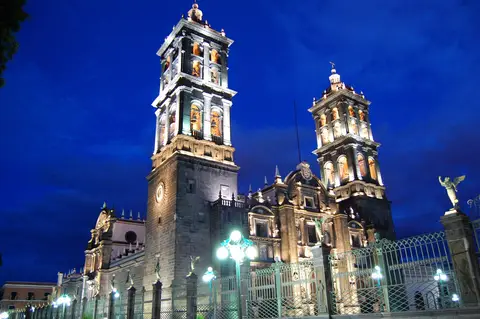
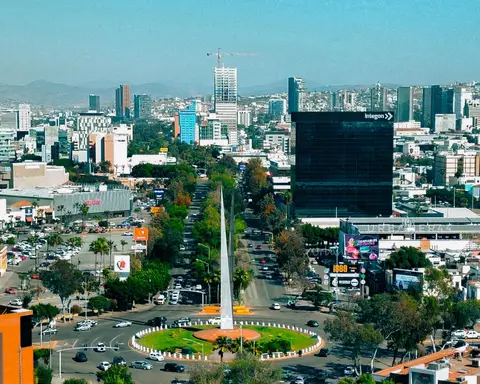
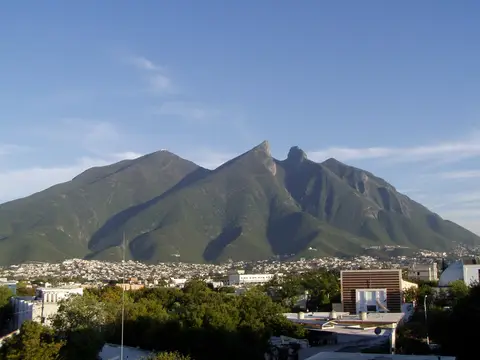
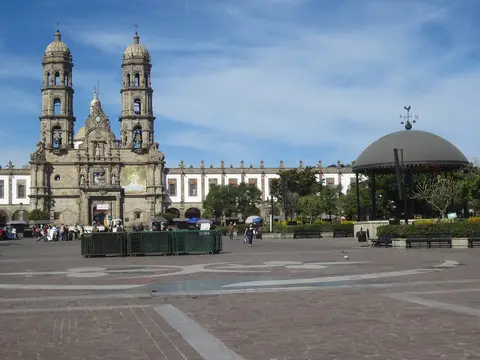
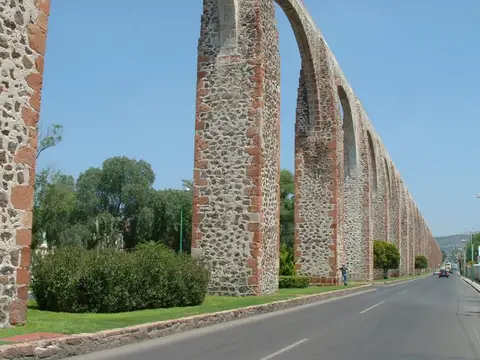
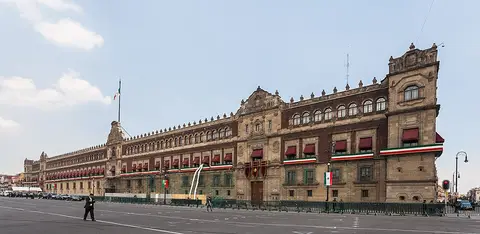
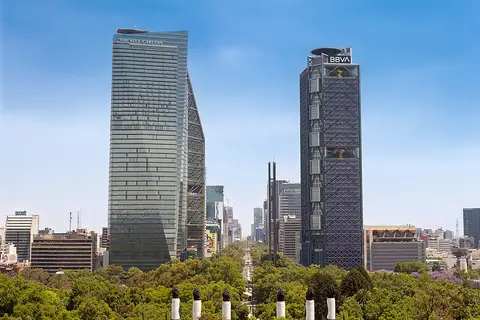
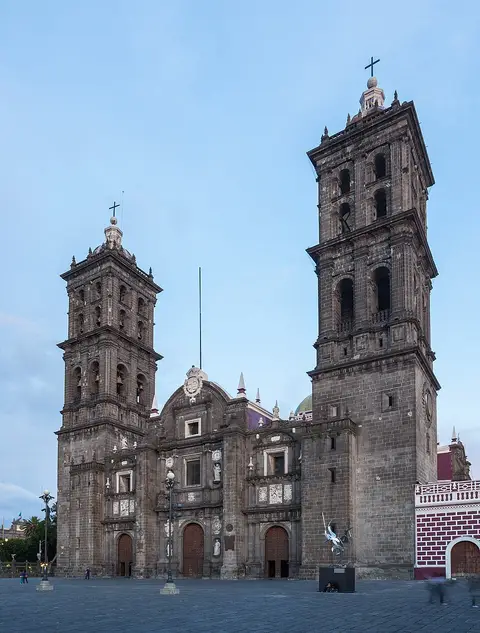
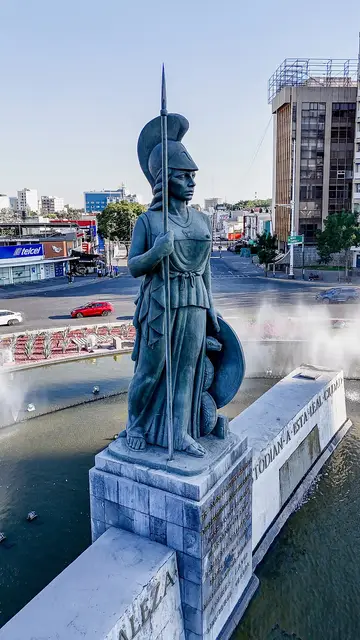
Mexico City is huge, with more than 20 million people in the greater metropolitan area, and yet it's easy to explore on foot, neighborhood by neighborhood. Around the Zócalo you'll find the cathedral and the remains of the Aztec Templo Mayor, and in the National Palace, murals by Diego Rivera tell the story of the country. The Roma and Condesa neighborhoods, with their Art Deco buildings, cafés, and jacaranda trees, are ideal places to stay; in the south, Frida Kahlo's Blue House in Coyoacán and the colorful boats on the canals of Xochimilco are big draws. The National Museum of Anthropology in Chapultepec Park is among the most important of its kind. Guadalajara and neighboring Zapopan are the home of mariachi and tequila, while Monterrey in the north is a modern industrial city set against a dramatic mountain backdrop. Puebla is known for painted Talavera tiles and mole poblano, Querétaro for its aqueduct and well-kept old town, and León is considered the capital of leatherwork. The state of Guanajuato is also home to the city of the same name, with its tunnel streets, and San Miguel de Allende, which many consider Mexico's most beautiful colonial city. Tijuana, on the border with California, has earned a new reputation with craft beer and a creative restaurant scene.
Yucatán, Cancún, and the Beaches
Cancún is the country's most important resort destination, with a long hotel zone between the lagoon and the Caribbean. If you prefer something quieter, head down the Riviera Maya to Playa del Carmen, Puerto Morelos, or Tulum, where a Maya site sits directly above the turquoise sea. In recent years, seaweed known as sargassum has drifted ashore, mainly between May and September; its intensity varies from year to year. Mérida, the capital of Yucatán, is a good base for excursions to haciendas, the flamingo colonies near Celestún, and the yellow houses of Izamal. On the Pacific coast, Puerto Vallarta, Oaxaca's beaches near Puerto Escondido and Mazunte, and Los Cabos at the tip of Baja California offer completely different scenery, with surf breaks, turtle beaches, and rock arches in the sea.
Sights in Mexico: Pyramids and Culture
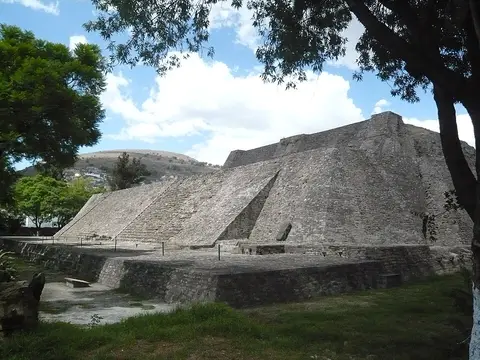
Among the most important sights in Mexico are the traces of the pre-Columbian cultures. Chichén Itzá, with the Pyramid of Kukulcán, is one of the most visited sites; quieter options include Uxmal, Calakmul deep in the rainforest, and Palenque in Chiapas, whose temples are surrounded by jungle. Not far from the capital, the Pyramid of the Sun rises at Teotihuacán; it's most beautiful early in the morning, when hot-air balloons float over the valley. In Oaxaca, Monte Albán sits atop a flattened mountain. The Spanish colonial era left behind Baroque churches and silver towns such as Taxco and Zacatecas. Tradition is very much alive at Día de Muertos in early November, when families decorate altars with marigolds, candles, and photos of the deceased, and cemeteries stay lit all night, especially impressive in Oaxaca and on Lake Pátzcuaro in Michoacán.
Food and Drink: Far More Than Tacos
Mexican cuisine is recognized by UNESCO as an intangible cultural heritage, and you can taste why. The foundation is corn, which is made into tortillas, tamales, and tlayudas. Tacos al pastor, with pork grilled on a spit and pineapple, are the capital's street food; in Yucatán, cochinita pibil is on the table, marinated with achiote and bitter orange and cooked in an underground pit oven. Oaxaca is known as the land of the seven moles, complex sauces made from chiles, chocolate, nuts, and spices, and also for mezcal, which is distilled from various types of agave. Tequila comes from the area around the town of Tequila in Jalisco, not far from Guadalajara. On the coasts you'll find ceviche and fish tacos, and in Baja California, wines from the Valle de Guadalupe to go with them. Markets such as the Mercado de San Juan in Mexico City or the Mercado 20 de Noviembre in Oaxaca are the best places to taste your way through.
Getting There and Getting Around in Mexico
Nonstop flights from Frankfurt to Mexico City take about twelve hours; to Cancún there are nonstop connections from several German cities with a flight time of around eleven and a half hours. Germans don't need a visa for tourist stays; your passport must be valid for the duration of your stay, and the border officer determines the length of stay, up to a maximum of 180 days. Domestic flights with airlines such as Aeroméxico, Volaris, or Viva Aerobus are inexpensive and fast. Comfortable first-class long-distance buses with reclining seats run between cities, and on the Yucatán Peninsula the Tren Maya now connects Cancún, Mérida, Palenque, and other towns. A rental car is a good way to explore Yucatán; in other regions, it's advisable to check the latest safety advisories, avoid long overland drives at night, and stick to the toll highways.
Best Time to Visit Mexico
The best time to visit Mexico is the dry season from November to April. In Yucatán and on the Caribbean coast, temperatures then range from 81 to 86 degrees Fahrenheit; from May it becomes humid and hot. June through October is the rainy season, with mostly strong but short showers in the afternoon, and between August and October hurricanes can hit both coasts. In the highlands around Mexico City, Puebla, and Oaxaca, the altitude keeps things mild year-round, around 72 to 79 degrees Fahrenheit during the day, though winter nights can drop close to freezing. For whale watching in Baja California, January through March is ideal, and monarch butterflies overwinter in the forests of Michoacán from November to March.
Mexico Destinations for a Road Trip
For a first tour, a combination of Mexico City, Puebla, and Oaxaca, followed by a flight to Yucatán, works well; there you can relax for a few days among Mérida, the cenotes, and the Caribbean. Other Mexico destinations can be linked into a route through the colonial heartland: Querétaro, San Miguel de Allende, Guanajuato, and Guadalajara. If you're after nature, take the "El Chepe" train through Copper Canyon or spend time in the Chiapas highlands around San Cristóbal de las Casas, where Indigenous communities hold their markets in their own languages and traditional dress.