Colima: Volcanoes, Coffee, and the Port of Manzanillo
Travel guide · editorialA vacation in Colima pairs Pacific beaches with views of one of the most active volcanoes in North America. The small state between Jalisco and Michoacán sees few tourists, yet it is home to Manzanillo, Mexico's busiest container port, and Comala, a whitewashed village that has found its way into literature.
Between Volcano and Pacific
Colima rises from the coast through coconut palm and lime plantations toward the north, where the Volcán de Fuego towers on the border with Jalisco at roughly 12,500 feet (3,800 meters), erupting regularly, alongside the extinct Nevado de Colima, which is slightly taller. The capital sits at about 1,640 feet (500 meters) in a warm valley and has grown together with Villa de Álvarez. Offshore lie the Revillagigedo Islands, a remote marine national park that belongs to the state and is known among divers for encounters with giant manta rays.
Colima City and Comala
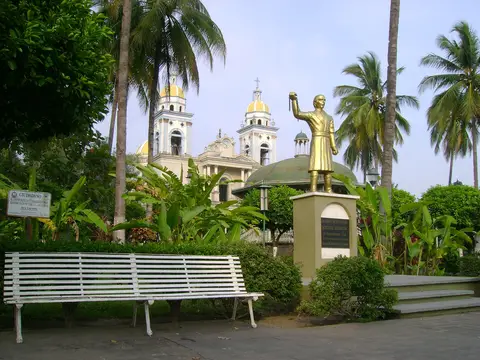
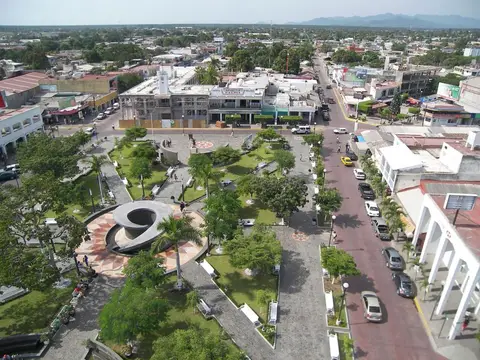
The capital was founded in 1523, making it one of the oldest Spanish cities in western Mexico. Several earthquakes have destroyed its colonial buildings, but the Jardín Libertad with its cathedral and government palace, along with the many shady plazas, give Colima a relaxed, easygoing feel. The city is known for the pre-Columbian clay dogs, the Perros de Colima, which were found in shaft tombs and are on display in the Museo de las Culturas de Occidente. Just six miles (ten kilometers) to the north lies Comala, a Pueblo Mágico with white facades and red tile roofs. Juan Rulfo made the town's name world-famous in his novel Pedro Páramo, although the setting is fictional. On the main square, botanero bars serve small free plates with every drink.
Sights in Colima
Manzanillo is the state's most important beach resort. Its bays, Santiago and Manzanillo, offer long stretches of sand, a peninsula with luxury hotels, and good diving spots. The city bills itself as the sailfish capital of the world, and an international fishing tournament takes place every year. To the south lies Cuyutlán, with its Green Wave, which is said to be especially high in spring, and a sea turtle center. In the highlands, Laguna La María and the coffee village of Suchitlán are worth a visit; masks for the Dance of the Morenos are carved in Suchitlán. Significant finds from early cultures have been made at La Capacha and El Chanal.
Food and Getting Around
Colima's cuisine relies on limes, coconut, and seafood. Typical dishes include sopitos, small fried tortillas topped with ground meat; tatemado, pork marinated in chili; and pozole seco. Tuba, a refreshing drink made from palm sap, is sold at street stands. Tecomán is considered the lime capital, and a mild mountain coffee comes from the highlands around Comala, which you can sample directly at small roasters. Manzanillo and Colima have airports with connections to Mexico City; Guadalajara is about a three-hour drive away. The best time to visit is between November and April, when it is dry; from June to October it rains and hurricanes are possible. The crime rate is high in parts of the state, so travelers should check the current situation before they go.