Discovering Ecatepec: Cable Cars, Sierra, and Morelos
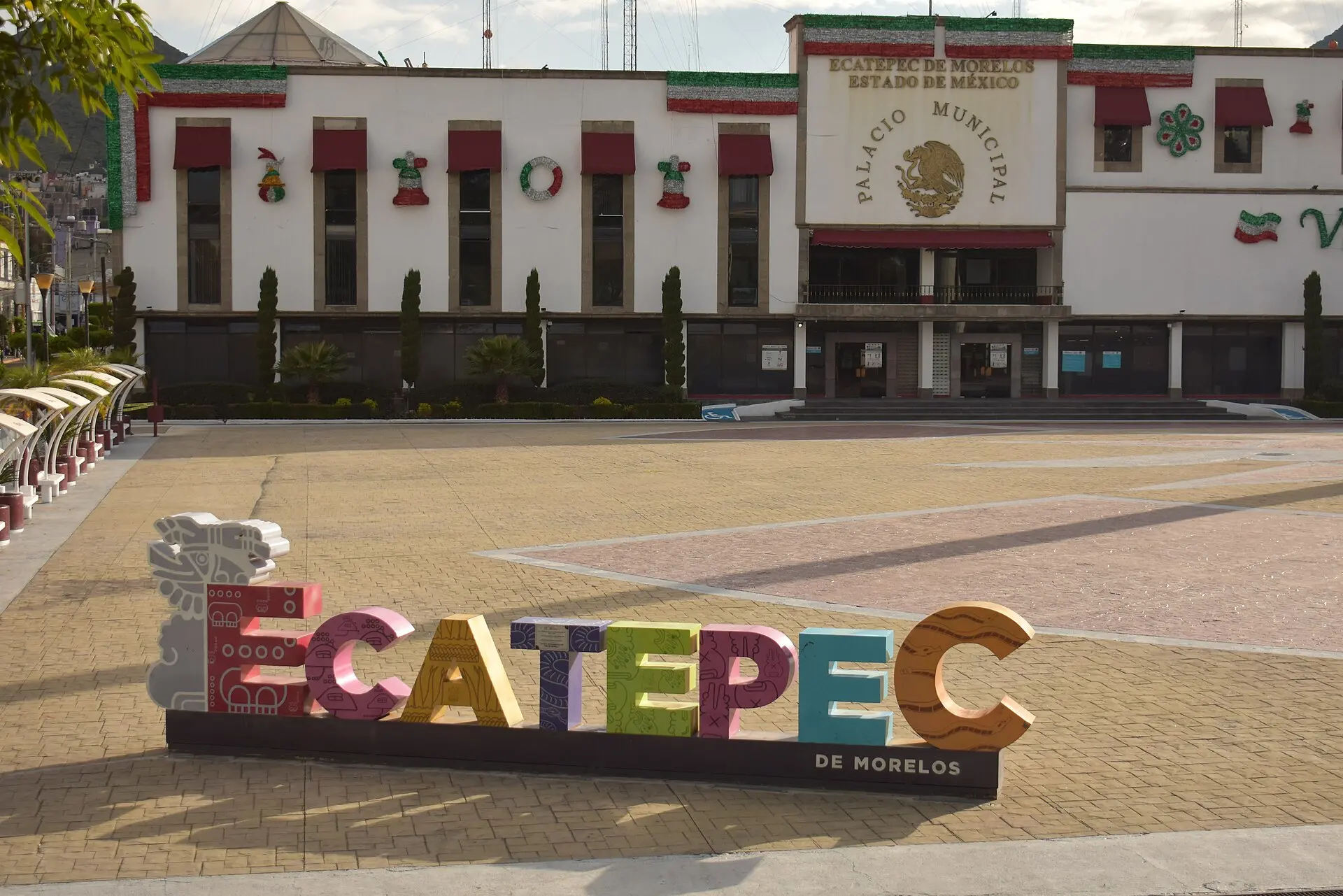
Travel guide · editorialIf you head north on a trip through Greater Mexico City, you'll almost inevitably end up in Ecatepec de Morelos – one of the most populous municipalities in the country, and one that hardly any tourist has on their list. That's exactly why it's worth a detour: here, the everyday life of the metropolis shows itself unvarnished, with markets, cable cars gliding over colorful hillside neighborhoods, and a surprisingly deep history.
From Lakeshore to Metropolis
Long before houses climbed the slopes of the Sierra de Guadalupe, Ecatepec lay on the shore of Lake Texcoco. The name comes from Nahuatl and roughly means "hill of the wind," a reference to the wind god Ehécatl. In colonial times, the San Cristóbal Dike ran through the lagoon here, built to protect the high valley from flooding. The city owes its second name to José María Morelos: the priest and independence fighter was executed in San Cristóbal Ecatepec on December 22, 1815. Starting in the 1960s, Ecatepec grew rapidly with industry and migration – villages such as Santa Clara Coatitla, Santa María Tulpetlac, and Santa María Chiconautla became districts of a vast municipality.
Things to See in Ecatepec
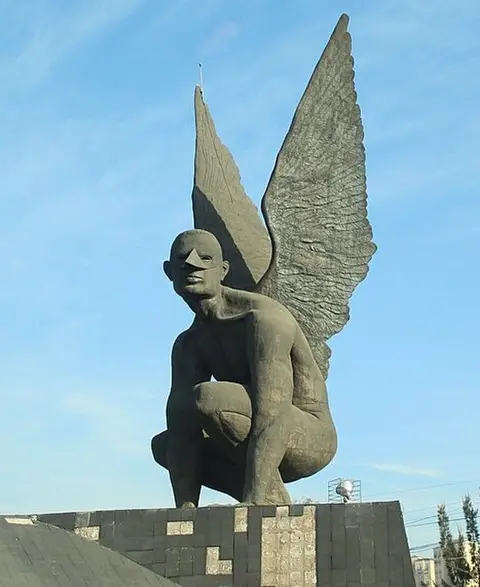
Your first stop is the Casa de Morelos, a simple colonial building that serves as a museum commemorating the final hours of the national hero. In Tulpetlac stands the Santuario, which is tied to the Guadalupe tradition: this is where the Virgin is said to have appeared to Juan Diego's uncle, and many of the faithful make a pilgrimage here for the patron saint festival. In the old center of Santa Clara Coatitla, the church and narrow lanes shape the picture of a former lakeside village. If you're looking for nature, you'll find it in the Parque Estatal Sierra de Guadalupe, whose hills rise as a green barrier between Ecatepec and the capital and offer hiking trails with wide views over the high valley.
Over the Rooftops on the Mexicable
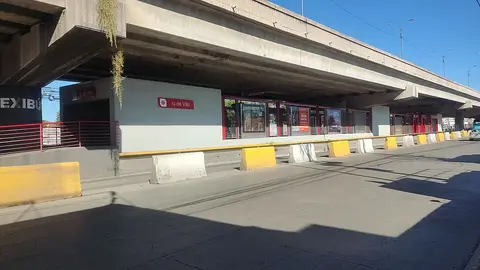
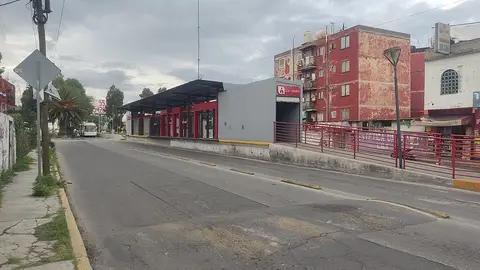
The most unusual experience is a ride on the Mexicable, the first urban cable car in the metropolitan area. The gondolas glide over densely built hillside neighborhoods whose roofs and facades have been painted with large-scale murals – an art project that has turned entire blocks into an open-air gallery. The cable car is primarily a commuter transit option, but for visitors it's an inexpensive way to grasp the scale of this city. The network is complemented by Metro Line B, which terminates at Ciudad Azteca, and by several Mexibús lines.
Eating in Ecatepec: Markets and Street Food
Restaurants in the classic sense matter less here than food stalls, taquerías, and markets. On weekends, barbacoa made from mutton is served, along with consomé made from the cooking broth. Tlacoyos made from blue corn, filled with beans or fava beans, are sold at stands outside the markets, as are quesadillas with squash blossoms and huitlacoche. In some of the old neighborhoods, pulque is still served, the fermented agave drink of the region. The tianguis, or roving street markets, sometimes stretch for miles through the neighborhoods and are an experience in themselves – you can find almost anything, from spices to used spare parts.
Getting Around Ecatepec and Safety
The new Felipe Ángeles airport (AIFA) lies to the north in Zumpango and is just as easy to reach as Mexico City's Benito Juárez airport. For a day trip, the best approach is to combine the Metro, Mexibús, and cable car. Ecatepec is considered a municipality with elevated crime; visitors should travel during the day, keep valuables discreet, use authorized taxis or ride-hailing apps, and avoid walking alone in remote neighborhoods.
Best Time to Visit and Day Trips
The best time to visit is the dry season from October to April, when the sky over the high valley is clear. From June to September, heavy showers often fall in the afternoon. Ecatepec is well placed for excursions: the pyramids of Teotihuacan are only about half an hour away, as is the Basilica of Guadalupe in the north of the capital. Tepotzotlán, with its Baroque Jesuit college that now houses the National Museum of the Viceroyalty, isn't far either. If you like, you can combine both in one day and return to the center of the capital by Metro in the evening.