Sonora: Desert, the Sea of Cortez, and Carne Asada
Travel guide · editorialSaguaro cacti, red rock, and the deep blue Sea of Cortez define Sonora, Mexico's second-largest state. A vacation in Sonora takes you to volcanic craters in the desert, to beaches that are almost deserted in winter, and to cities whose steaks have a legendary reputation across the country.
Where the Desert Meets the Sea
Sonora borders Arizona to the north and, along a short stretch, New Mexico, and the Gulf of California to the west, which Mexicans also call the Mar de Cortés. Much of the state lies within the Sonoran Desert, one of the most biodiverse deserts in the world, with saguaros, organ pipe cacti, and ocotillos. To the east, the land climbs into the Sierra Madre Occidental, where oak and pine forests grow. In the south, the Yaqui and Mayo rivers irrigate a large agricultural plain. Summers are extremely hot, with temperatures above 113°F; winters, by contrast, are mild and sunny.
Hermosillo and the State's Other Cities
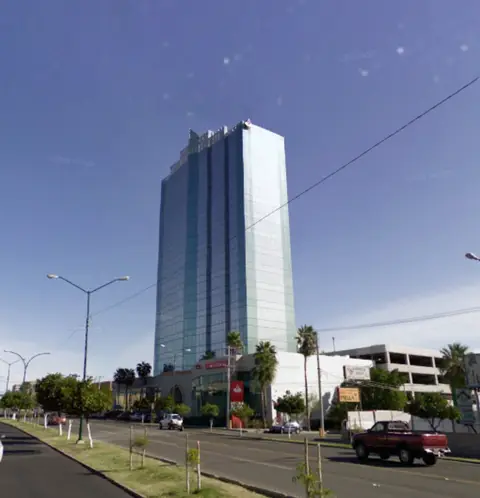
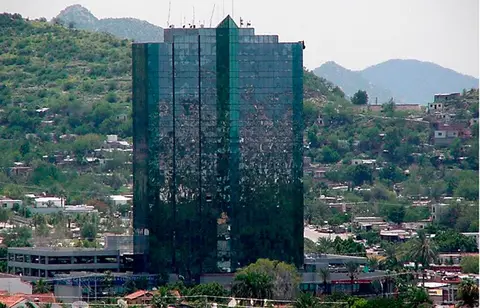
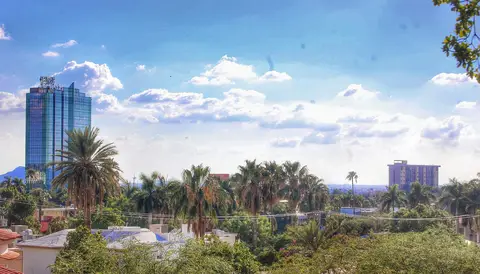
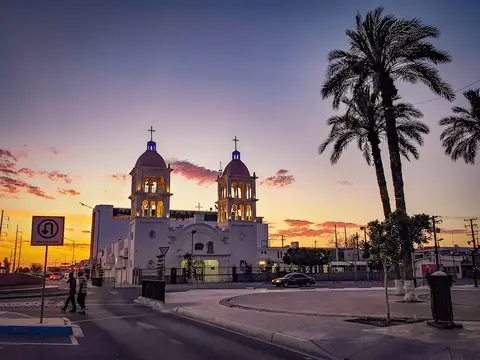
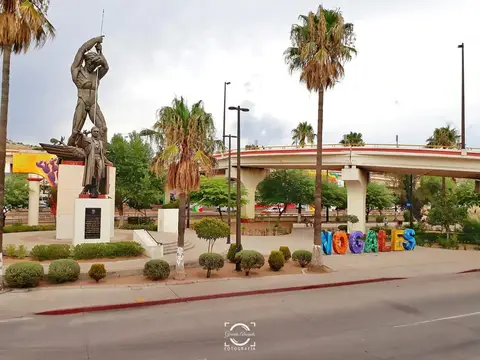
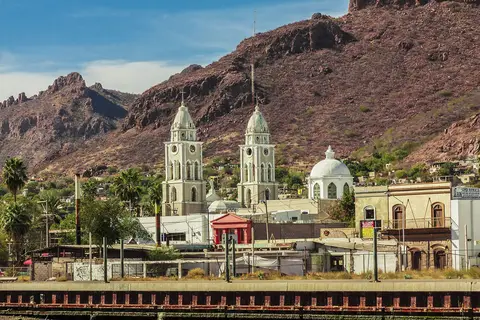
The state capital, Hermosillo, is a modern city with a Ford plant, universities, and a small historic center around the cathedral. Cerro de la Campana, a rocky hill with sweeping views, towers over the old town. Ciudad Obregón in the Yaqui Valley is a center of wheat farming; it was here that the agricultural scientist Norman Borlaug developed the varieties that shaped the Green Revolution. Heroica Nogales and Agua Prieta are border towns with busy trade traffic, while San Luis Río Colorado lies in the far northwest near the Colorado River. Navojoa in the south is the gateway to the colonial town of Álamos. Guaymas is a historic port city, and its neighbor San Carlos draws visitors with its marina and the twin peaks of Tetakawi.
Sights in Sonora
The El Pinacate y Gran Desierto de Altar Biosphere Reserve is a World Heritage site and one of the most impressive landscapes in North America: lava fields, huge maar craters such as El Elegante, and the largest active sand dunes on the continent. Puerto Peñasco, often called Rocky Point, is the closest beach resort for visitors from Arizona, with warm, calm water and a fish market. Álamos, a Pueblo Mágico, was a wealthy silver town in the 18th century; today colonial houses with courtyards line its lanes, and a music festival takes place in January. Bahía de Kino, west of Hermosillo, faces Isla Tiburón, the territory of the Comcáac. In Magdalena de Kino lies the missionary Eusebio Kino, who founded numerous missions in the region in the late 17th century. His remains can be seen under a glass dome on the main plaza. Along the Ruta de las Misiones you can visit several old mission churches, such as Tubutama and Oquitoa.
Culture and People
Sonora is home to several Indigenous peoples. During Lent, the Yaqui hold ceremonies featuring the Deer Dance, the Danza del Venado, in which the dancers wear a deer head on their heads. The Comcáac, also known as the Seri, carve figures from ironwood and weave baskets. The Mayo live in the south around Navojoa. As in the rest of northern Mexico, baseball is popular, and música norteña accompanies festivals and drives through the countryside.
Food and Drink
Sonora is famous for its beef. Carne asada grilled over mesquite wood, arrachera, and steaks from locally raised cattle are on offer in every town. Flour tortillas are baked especially thin and large here, as the tortilla sobaquera. Other specialties include caguamanta, a stew of ray and shrimp, and the Sonoran hot dog with bacon, beans, and salsas. Coyotas are pastry rounds filled with piloncillo, a specialty of Hermosillo. Bacanora, an agave spirit from the mountains, has a protected designation of origin.
Getting There and Best Time to Visit
Hermosillo Airport (HMO) has good connections to Mexico City and other cities; Guaymas, Ciudad Obregón, and Puerto Peñasco also have airports. Many visitors arrive by car from Arizona. Long-distance buses connect the cities along Federal Highway 15. The best time to visit is between October and April; in midsummer, the desert heat is dangerous. Before traveling into the interior, especially near the border and to some regions in the south, you should check current safety advisories.