Discover Hermosillo: Desert, Carne Asada, and Sea
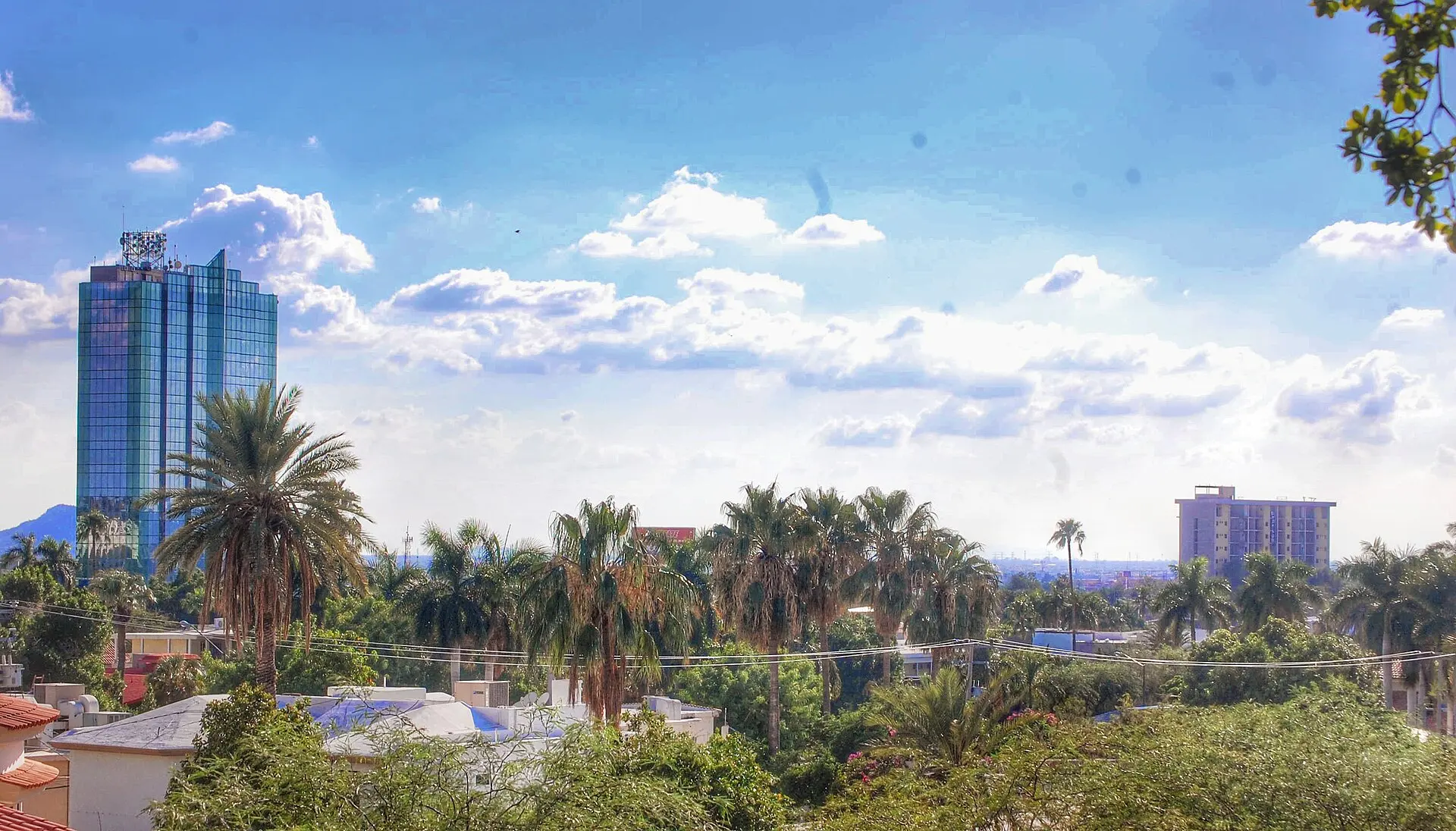
Travel guide · editorialSaguaros on the edge of town, beef cooked over glowing mesquite coals, and a local hill with views across the desert: Hermosillo is the capital of Sonora and the gateway to one of Mexico's most striking landscapes. A trip here is especially rewarding in winter, when the sun is mild and the sky is a steel blue.
History of a Desert City
The area was originally home to the Seri and Pima peoples before the Spanish founded a presidio, or military settlement, here in the 18th century. The town was first called Pitic and received the name Hermosillo in 1828, in honor of the independence fighter José María González de Hermosillo. In the 19th century, the city became the capital of Sonora. The Mexican Revolution produced several influential politicians from Sonora, including Álvaro Obregón and Plutarco Elías Calles. Today, Hermosillo is a center for ranching, agriculture, and industry, including a large Ford plant.
Sights in Hermosillo
The best view is from Cerro de la Campana, whose summit you can reach on foot or by car; the desert glows reddish at sunset in particular. At its foot lies Plaza Zaragoza, with the white Cathedral of the Assumption (Catedral de la Asunción) and the Palacio de Gobierno, whose murals tell the story of Sonora's history. The Museo de Sonora, housed in a former prison, presents the region's archaeology and history. A special destination is the Centro Ecológico de Sonora, a zoo and botanical garden with animals and plants of the Sonoran Desert, from bobcats to bighorn sheep. If you come early in the morning, you'll find the animals more active and the temperatures more bearable. On the edge of town, it's also worth a look at the Presa Abelardo L. Rodríguez, a reservoir with walking paths along its shores.
Culture and Nightlife
The Universidad de Sonora shapes the cultural life of the city, and its arcaded main building is a well-known photo motif. The Teatro de la Ciudad hosts concerts and plays, while the Musas, the Museo de Arte de Sonora, shows contemporary art. An important cultural event is the Festival del Pitic in spring, with music, dance, and theater on stages in the old town. Because the days are hot, life begins in the evening: people gather in bars, breweries, and on terraces along Bulevar Kino after sunset. Many venues offer live music, from Norteño to rock.
Eating in Hermosillo
Sonora is known for its beef, and Hermosillo takes it seriously. Carne asada is grilled over mesquite wood and served with large, paper-thin flour tortillas known as tortillas sobaqueras. It comes with frijoles charros and salsa. A classic is the Sonoran hot dog, wrapped in bacon, grilled, and topped with beans, tomatoes, onions, and jalapeños. Coyotas, flat pastries filled with piloncillo, are the typical sweet souvenir. If you like it spicy, try chiltepín, a small, fiery wild chili harvested in the region. Bacanora, an agave spirit from the Sierra, is the regional mezcal and was distilled in secret for a long time before it was legalized.
Getting Around Hermosillo
General Ignacio L. Pesqueira Airport (HMO) lies west of the city and has connections to Mexico City, Guadalajara, Tijuana, and the U.S. It's about a six-hour drive to Phoenix, Arizona. In the city, taxis and ride-hailing services are the most convenient option; the bus system is geared more toward locals. The situation in Hermosillo is generally calm for visitors, but there is cartel activity in parts of Sonora, so it's advisable to plan any long-distance drives during the day.
Best Time to Visit and Day Trips
In summer, Hermosillo is one of the hottest cities in the country, with temperatures above 113°F possible. The best time to visit is between November and March. A good hour west lies Bahía de Kino on the Gulf of California, a fishing village with long beaches and views of Isla Tiburón. The Seri, known for their ironwood carvings, live nearby. Farther south, San Carlos near Guaymas beckons with coves, dive spots, and the distinctive twin peaks of Tetakawi.