Discovering Mexico City: Aztecs, Tacos, and Art
Travel guide · editorialStand on the Zócalo for the first time and you'll quickly understand why a trip to Mexico City is so hard to shake: beneath the paving stones lie the remains of the Aztec capital Tenochtitlan, above them stands the largest cathedral in the Americas, and all around you is the noise of a metropolis of more than 20 million people. A vacation in Mexico City is a journey through centuries, cuisines, and art movements – and through neighborhoods that could each be a city of their own.
From Island Empire to Megacity
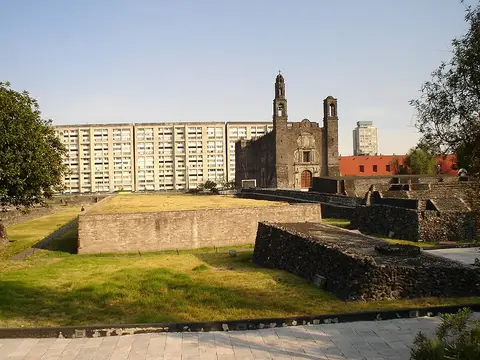
Around 1325, the Mexica founded their city of Tenochtitlan on an island in Lake Texcoco, according to legend at the spot where an eagle perched on a cactus was devouring a snake – a motif that still adorns the Mexican flag today. After Hernán Cortés's conquest in 1521, the Spanish built their colonial capital directly on top of the ruins and gradually drained the lake. The consequences are still felt today: the soft lake bed causes many historic buildings to visibly sink, the cathedral leans slightly, and earthquakes like those of 1985 and 2017 have left deep scars. Since 2016, the federal district has officially been called Ciudad de México, or CDMX for short, and is divided into 16 boroughs.
Mexico City Sights: From the Zócalo to Chapultepec
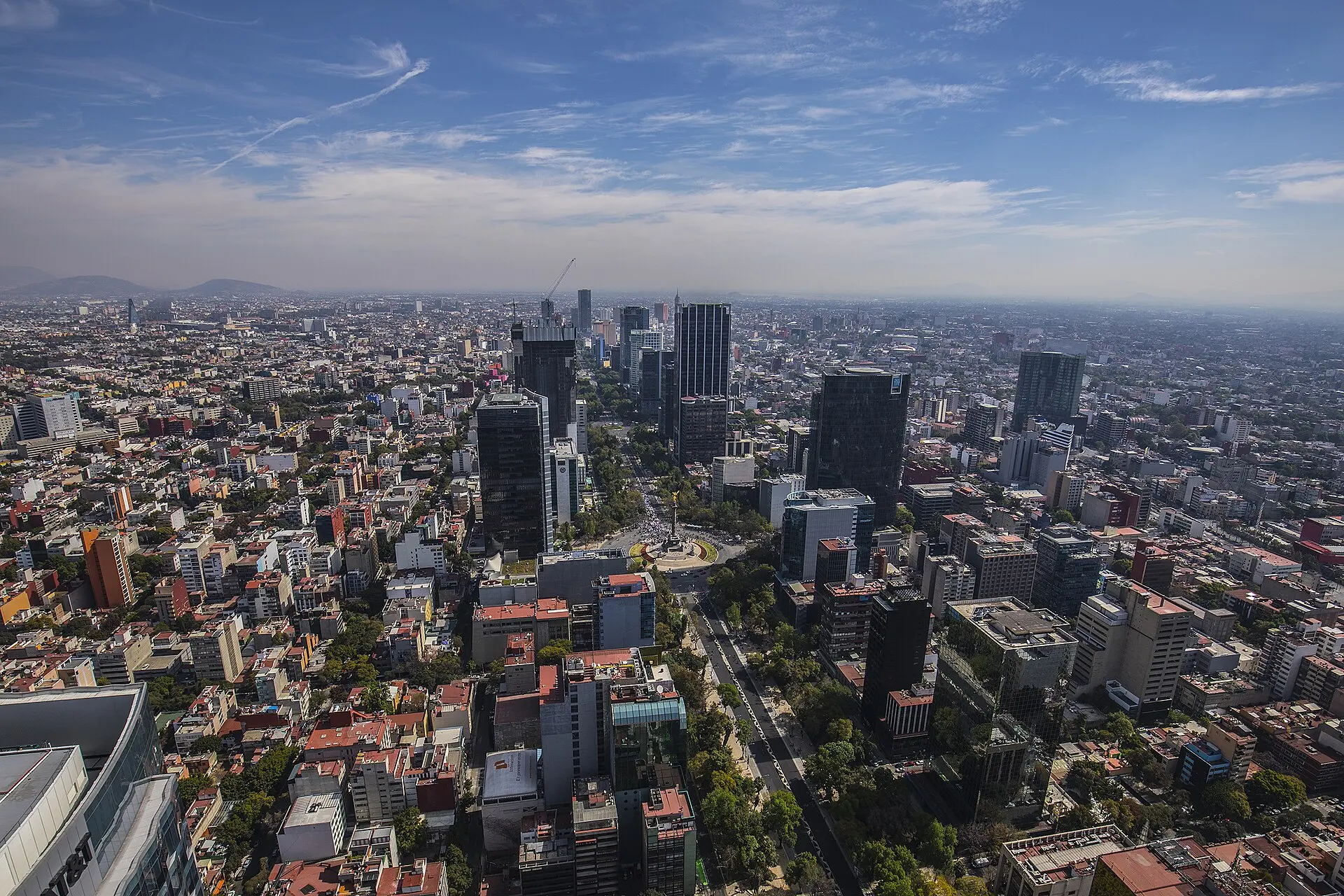
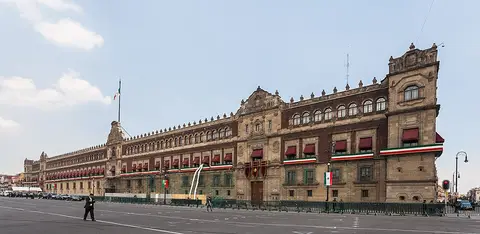
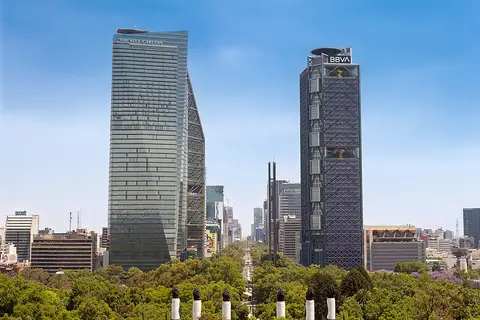
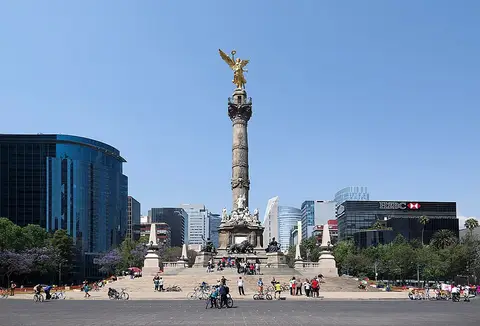
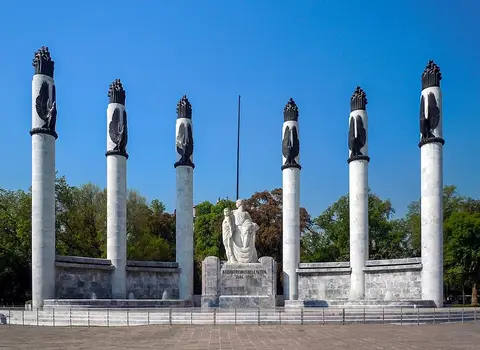
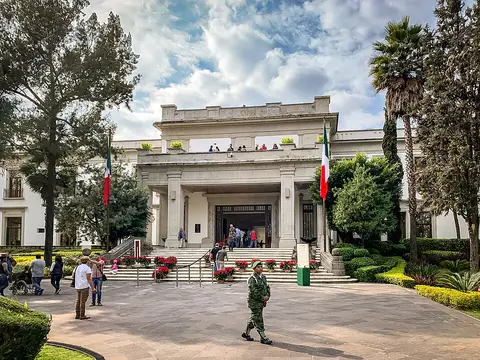
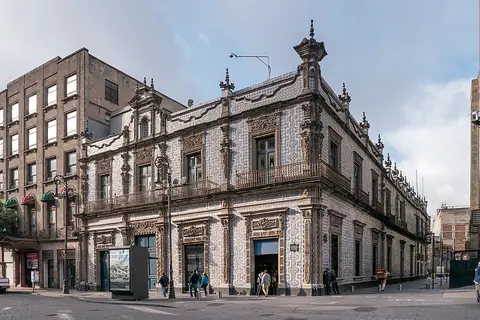
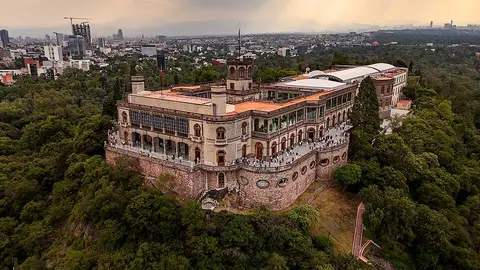
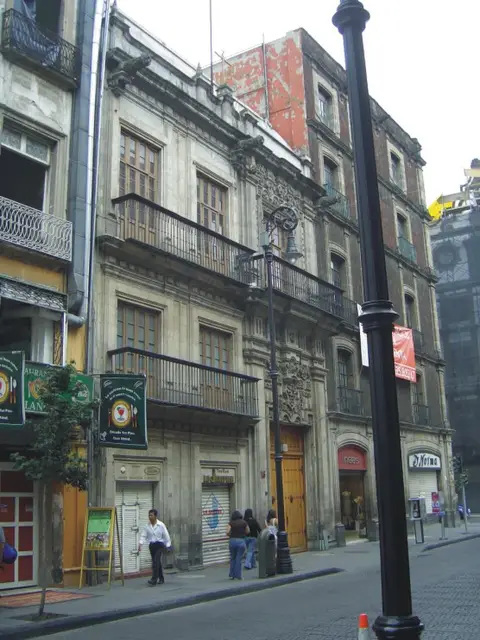
The historic center, the Centro, is the logical starting point. The Catedral Metropolitana and the Palacio Nacional stand on the Zócalo; in the latter's stairwell, Diego Rivera tells the story of Mexico in enormous murals. Right next door, the remains of the Templo Mayor, the main Aztec temple, were excavated beginning in 1978. The pedestrian street Madero leads to the Palacio de Bellas Artes, with its Art Nouveau facade and Art Deco interior; from the café in the Torre Latinoamericana you can take in the sea of buildings. To the west, the Paseo de la Reforma, the city's grand boulevard, runs past the golden Angel of Independence all the way to Chapultepec Forest, one of the largest city parks in Latin America, with a castle on the hill. About 50 kilometers to the northeast lies Teotihuacán with its Pyramids of the Sun and Moon – a must-do excursion, best done early in the morning before the heat and the tour buses arrive.
Museums and Culture
Hardly any city in the world has more museums. The Museo Nacional de Antropología in Chapultepec displays the Aztec Sun Stone and treasures of the Maya and Olmec – you'll need at least half a day. In the south, in the Coyoacán neighborhood, you'll find Frida Kahlo's Blue House, for which you should definitely buy tickets online in advance. The Museo Soumaya, with its silvery scaled facade in Polanco, the Museo Frida Kahlo, and Diego Rivera's Anahuacalli round out the picture. But you'll also encounter art outdoors: the murals of Rivera, Orozco, and Siqueiros adorn government ministries, universities, and the Colegio de San Ildefonso. The UNAM's University City, with its mosaic-covered library, is a UNESCO World Heritage Site.
Neighborhoods from Roma to Juárez to Santa María la Ribera
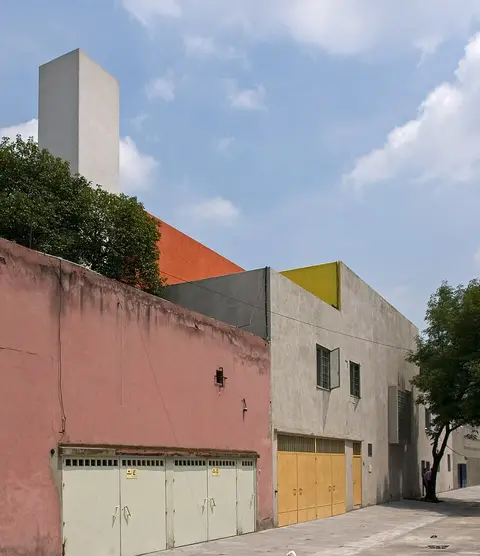
The city's spirit reveals itself in its colonias. Roma Norte and neighboring Hipódromo in Condesa are many visitors' favorite neighborhoods: Art Nouveau and Art Deco buildings, tree-lined medians like Avenida Ámsterdam, which once circled a horse racetrack, plus cafés, bookstores, and galleries. Roma Sur and Narvarte Oriente feel more everyday and are known for exactly that reason for their taquerías, where locals line up after work. Juárez, with the Zona Rosa, has gone from a neglected neighborhood to a hub for bars and restaurants. If you prefer something quieter, visit Santa María la Ribera with the Moorish Kiosk in Alameda Park, a cast-iron pavilion from the 1884 World's Fair. On weekends, Xochimilco in the south is worth a visit: aboard colorful trajinera boats you glide through the last canals of the former lake system, accompanied by mariachi boats and floating food stalls.
Eating in Mexico City: From Tacos al Pastor to Mole
Restaurants in Mexico City range from street stalls with plastic stools to places that appear on international best-of lists. Typical of the capital are tacos al pastor, marinated pork from a vertical spit topped with a piece of pineapple, as well as tlacoyos made from blue corn, quesadillas – often made without cheese here, which regularly sparks debate – and, for breakfast, the torta de tamal, a tamal in a bread roll. At the Mercado de San Juan you'll find exotic fare from grasshoppers to game meat, the Mercado de Coyoacán is known for its tostadas, and at the huge wholesale market La Merced the city shows its unvarnished side. To drink, there's agua fresca made from hibiscus or tamarind, and in the evening mezcal or pulque, the fermented agave drink of the Aztecs, at one of the traditional pulquerías.
Nightlife and Festivals
In the evening, life shifts to the bars of Roma, Condesa, and Juárez, while at Plaza Garibaldi in the Centro, mariachi groups wait for customers until late at night. You can experience lucha libre, Mexican show wrestling with masked heroes, at Arena México. Highlights of the calendar include Día de Muertos in early November, with a big parade and altars all over the city, and the night of September 15 to 16, when the Cry of Independence is celebrated on the Zócalo.
Getting Around, Safety, and the Best Time to Visit
International flights land at Benito Juárez Airport (MEX), which is close to the center; some domestic flights use the newer Felipe Ángeles Airport (NLU) in the north. In the city, the Metro, with its pictograms, is cheap and fast but extremely crowded at rush hour; Metrobús lines complement it, and the Ecobici bike-share system is handy in the central neighborhoods. It's best to order taxis through apps or at official stands. As in any megacity, the rule applies: in the tourist neighborhoods you can get around well with ordinary caution, but at night you should avoid isolated areas and not display valuables openly. Because of the altitude of around 2,240 meters (about 7,350 feet), you may tire more quickly in the first few days, and on some days air pollution is high. The best time to visit Mexico City is the dry season from October to May, with sunny days and cool nights; from June to September, short, heavy thunderstorms often roll in during the afternoon. Worthwhile excursions, besides Teotihuacán, lead to Puebla, the silver town of Taxco, or the weekend getaway of Tepoztlán.