Discovering Nezahualcóyotl: Neza Between Lake and Metro
Travel guide · editorialOn the dried-up bed of Lake Texcoco, a city of more than a million people sprang up in just a few decades: Nezahualcóyotl, known to everyone simply as Neza. If you want to experience everyday life beyond the tourist neighborhoods on a trip to Mexico City, you'll find markets, street food, and a music culture with a history all its own.
A City on a Lake Bed
Until the 20th century, the waters of Lake Texcoco stood here. When the lake was drained, it left behind a dusty plain where, starting in the 1940s, newcomers from all over the country bought plots of land, often with no water, electricity, or sewage system. Through self-help and protests, residents gradually fought for infrastructure. In 1963, Nezahualcóyotl was founded as its own municipality, named after the 15th-century poet-king of Texcoco. The street network follows a strict grid, and the population density is among the highest in the country.
Sights and Everyday Life in Neza
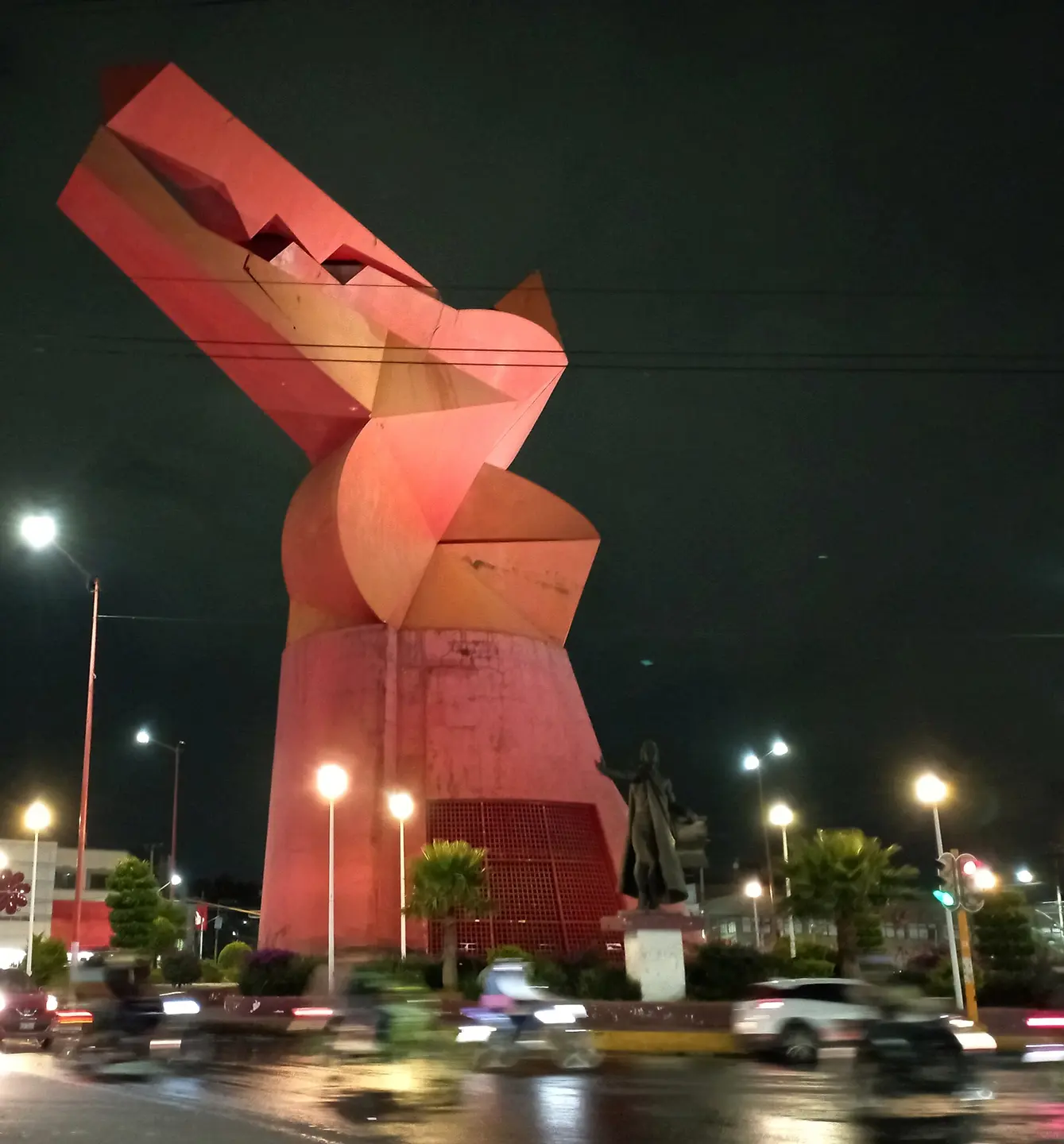
Classic sights are scarce, which makes city life all the more interesting. Shops, markets, and food stalls crowd Avenida Chimalhuacán and Avenida Pantitlán. Parque del Pueblo and the Bordo de Xochiaca, where a landfill once stood and where recreation areas and shopping centers have now partly taken its place, show how the city has changed. In the center, a statue commemorates Nezahualcóyotl, the city's namesake. On the outskirts lies the district of Los Reyes Acaquilpan, which belongs to the neighboring municipality of La Paz. On weekends, entire streets turn into tianguis, open-air street markets where everything from fruit and clothing to used electronic parts is for sale. Strolling through the neighborhoods, you'll experience a city that created its own identity through its own efforts and is proud of it.
Rock, Soccer, and Culture
Neza has a special reputation as the cradle of Mexico's suburban rock scene. In the 1970s and '80s, bands that shaped rock urbano formed in garages and backyards, and you can still catch concerts in small halls and at street festivals today. Soccer also plays a big role: Estadio Neza 86, built for the 1986 World Cup, has hosted various professional clubs. Murals on building walls tell the stories of the neighborhoods and their residents.
Eating in Nezahualcóyotl
The food is that of the street and the markets: tacos de suadero, quesadillas, tlacoyos, and pambazos, rolls dipped in guajillo chile sauce and filled. On weekends there's barbacoa and consomé, in the evening elotes and esquites. At the mercados you can get juices, fruit, and comida corrida, the inexpensive daily set meal. Restaurants with long menus are rare, but the choice of simple eateries is large and affordable. Many families run their food stall right in front of their own home, and the recipes come from the regions the newcomers hail from, such as Oaxaca, Puebla, Michoacán, or Guerrero. As a result, in Neza you'll find specialties from nearly all of Mexico in a compact area.
Getting Around, Safety, and When to Go
Neza lies directly east of Mexico City's airport. Metro Line B and Line A connect the city with the capital's center, supplemented by buses and colectivos. The crime rate is higher than in central Mexico City; visitors should travel during the day, keep valuables out of sight, and use ride-hailing apps. The best time to visit is the dry season from October to April. One excursion leads to Texcoco, with its market, and to the Baño de Nezahualcóyotl, the remains of the poet-king's bathing complex.