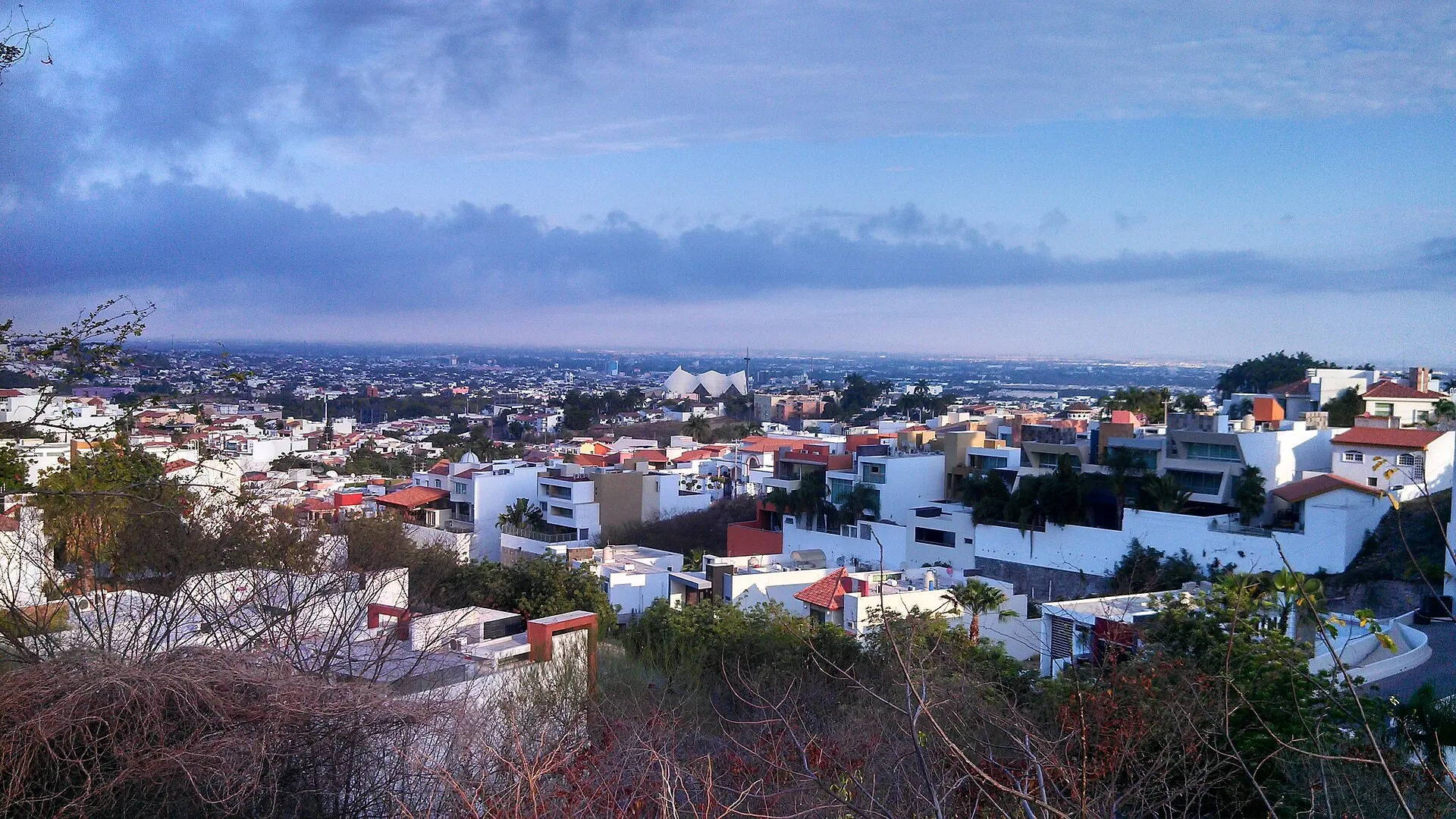
Discover Culiacán: Riverside Park, Mariscos and Banda
Travel guide · editorialThree rivers, tomato fields stretching to the horizon, and a cuisine shaped by both the sea and the farmland: Culiacán, the capital of Sinaloa, is more a business destination than a vacation spot. If you're planning a trip here anyway, you'll find a lively riverside park, honest mariscos cooking and banda music on every corner – but you should keep an eye on the security situation.
History at the Confluence
The city lies where the Tamazula and Humaya rivers join to form the Río Culiacán. In 1531, the conquistador Nuño Beltrán de Guzmán founded Villa San Miguel de Culiacán here, one of the oldest Spanish settlements in the northwest. Later expeditions set out from here to the north, such as the search for the legendary cities of Cíbola. Starting in the 20th century, irrigation projects turned the valley into one of the country's most productive agricultural regions: tomatoes, chiles, corn and vegetables from Sinaloa end up on tables all across North America.
Sights in Culiacán
At the center stands the 19th-century Cathedral of Nuestra Señora del Rosario, with its neoclassical facade on Plaza Obregón. Just a few blocks away, the Malecón stretches along the Río Tamazula, where locals jog, bike or simply sit by the water in the evening, waiting for the sun to set over the bridges. The large Parque Las Riberas on the riverbank offers paths, playgrounds and water features and is the city's green gathering place. The Jardín Botánico Culiacán surprises with a collection of tropical plants and contemporary art installations among the trees. If you're interested in faith and folk culture, you'll also find chapels and markets in the city where Sinaloa's distinctive folk religiosity is on display. The Mercado Garmendia downtown is a good place to watch everyday life: vendors sell fruit, spices, hats and boots, and workers sit eating lunch at the food stalls.
Museums and Culture
The Museo de Arte de Sinaloa, housed in a historic building, shows works by Mexican artists, including pieces by Rufino Tamayo and Diego Rivera. Cultural events take place at the Centro Cultural Genaro Estrada and the Teatro Pablo de Villavicencio. Music is everywhere in Sinaloa: banda sinaloense, with its brass instruments, clarinets and big drum, originated here and is played at festivals, in restaurants and in street parades. During Carnival and at big celebrations, it fills entire blocks.
Eating in Culiacán
The food is the real reason to visit. Aguachile – raw shrimp in lime juice with chile and cucumber – arrives at the table especially spicy here. You'll also find ceviche, callo de hacha (pen shell clams) and tacos gobernador with shrimp and cheese. Meat lovers order chilorio, shredded pork braised in chile, or carne asada. The mariscos spots are often simple joints with plastic chairs, where you eat lunch with a cold beer. The day starts with tamales or menudo in the morning, and in the evening stands lure you in with carne asada and tacos de cabeza. If you have a sweet tooth, try coricos, a crunchy cornmeal cookie from Sinaloa, or jamoncillo made from milk and sugar. The tomatoes, mangoes and vegetables come straight from the fields around the city and are correspondingly fresh.
Getting Around Culiacán and Safety Advisory
Bachigualato Airport (CUL) lies southwest of the city and has connections to Mexico City, Tijuana and Guadalajara. Within the city, taxis and ride-hailing apps are the most practical choice. Sinaloa is heavily affected by cartel conflicts; since 2024, Culiacán has seen repeated outbreaks of violence. If you travel here, check current travel and security advisories beforehand, don't drive between towns at night, and avoid crowds when incidents occur.
Best Time to Visit and Surroundings
The best time to visit is between November and March, when temperatures are pleasant. From May it gets hot and humid, followed by the rainy season in summer. The Pacific coast is close: on weekends, locals (known as Culichis) head to the beaches of Altata and El Tambor for fresh fish. Farther south lies the beach resort of Mazatlán, and to the north is the Los Mochis area, where the Chepe train departs for Copper Canyon.