

Sinaloa: Mazatlán, Seafood, and Banda Music
Travel guide · editorialSinaloa lies between the Sierra Madre Occidental and the Gulf of California. It is Mexico's vegetable garden and the home of banda brass-band music. For a vacation in Sinaloa, Mazatlán is the main draw: a port city with a restored old town, a boardwalk that runs for miles, and shrimp straight off the boat.
Fertile Coastal Plain
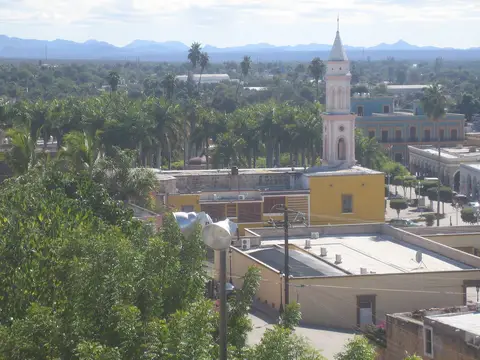
Sinaloa stretches along the Pacific coast as a long strip of land, right where the Gulf of California opens to the sea. A dozen rivers flow down from the Sierra Madre Occidental and water a broad coastal plain, where tomatoes, peppers, corn, and cucumbers are grown for export. Offshore, lagoons, mangroves, and islands provide resting places for migratory birds. To the east, the land rises into the rugged Sierra, dotted with old mining villages. The climate is hot; summers are humid and rainy, while winters are pleasantly warm and dry.
Mazatlán and the Other Cities
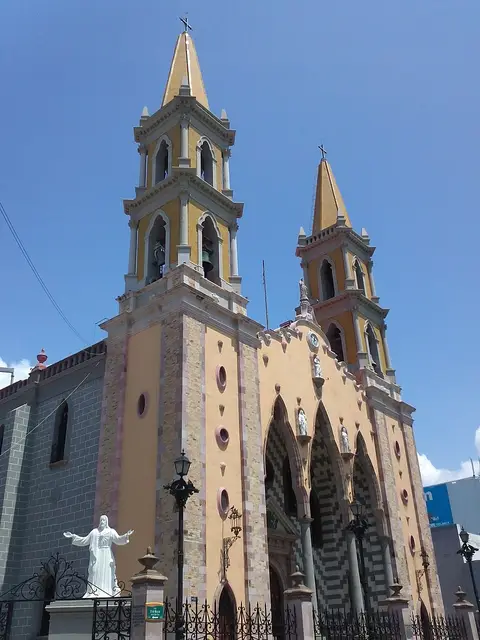
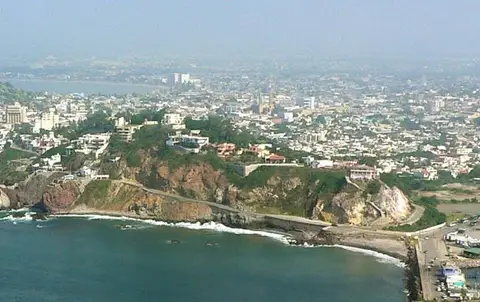
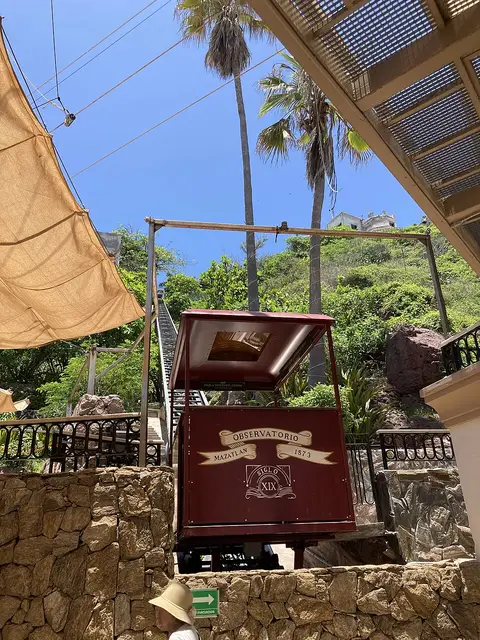
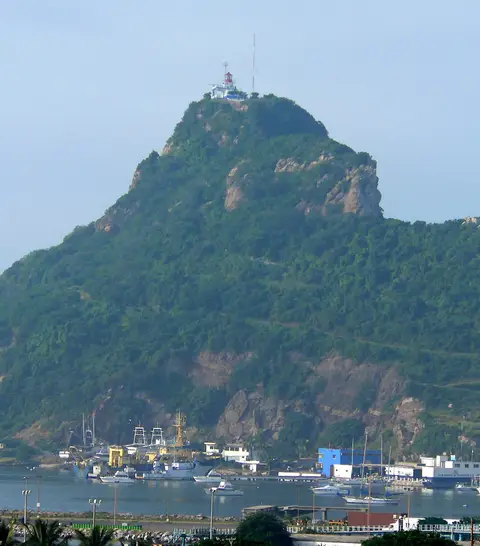
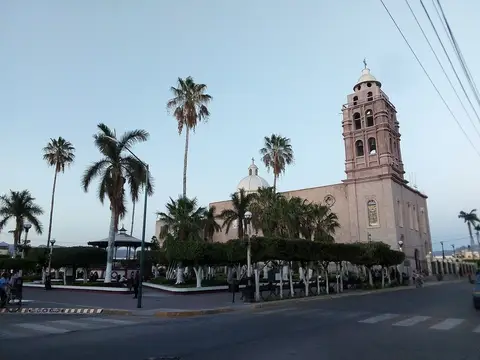
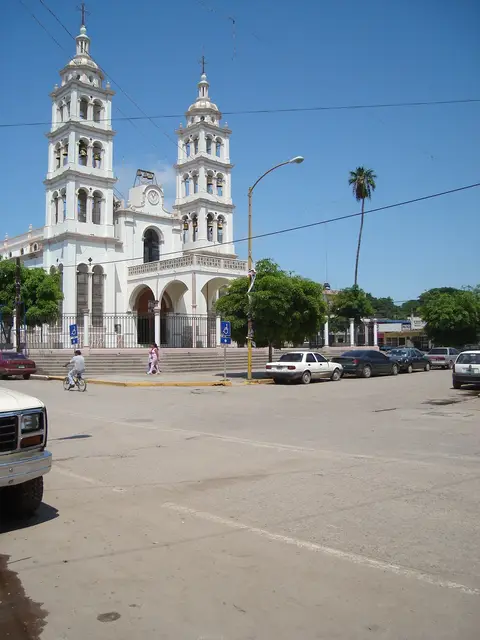
Mazatlán is the tourist hub. The historic district around Plazuela Machado has been lovingly restored over the past few decades, with the Teatro Ángela Peralta, colorful 19th-century houses, and cafés under arcades. The Malecón is one of the longest seaside promenades in the world and passes rocks from which cliff divers plunge into the sea. Cerro del Crestón is topped by one of the highest natural lighthouses in the world. To the north, the Zona Dorada with its hotels follows, and new developments such as Veredas del Mar are growing. The state capital, Culiacán, is a trade and farming city with a cathedral and a botanical garden featuring contemporary art. Los Mochis in the north is the starting point for the train ride through Copper Canyon; Guasave and Guamúchil are farming towns, and Escuinapa in the south is known for its mangoes and shrimp.
Sights in Sinaloa
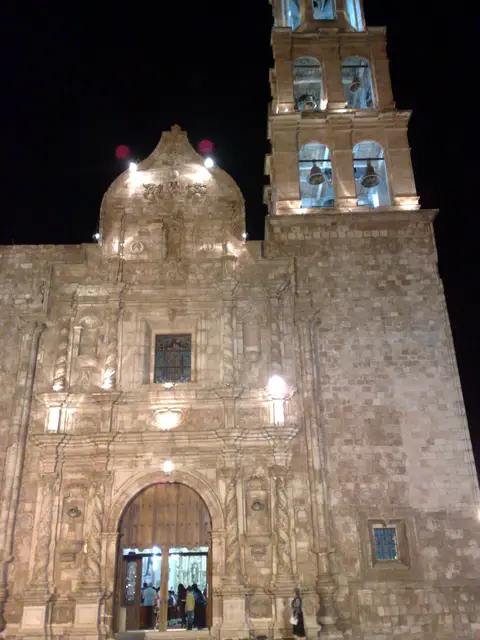
The Chepe Express departs from Los Mochis and runs through the Barranca del Cobre to Chihuahua, one of the most spectacular rail routes in the Americas. Off Mazatlán lie Isla del Venado and Isla de la Piedra, which you can reach by water taxi and which make for perfect beach days. El Rosario, a Pueblo Mágico south of Mazatlán, is an old silver town; its church was moved stone by stone because the mine beneath it threatened to collapse. Cosalá in the mountains preserves colonial houses and a quiet plaza, and El Fuerte in the north is a colonial town with a fort on the Río Fuerte. From December to March, humpback whales pass along the coast. At the Mazatlán Aquarium and on Cerritos Beach, excursions combine easily with swimming and surfing.
Culture and Festivals
Banda sinaloense, with tuba, clarinets, trumpets, and kettledrum, emerged in the 19th century under the influence of German brass bands and is now popular across the country. The Carnival of Mazatlán is among the oldest and largest in Mexico, with parades, fireworks over the bay, and the "Combate Naval." The Yoreme (Mayo) live in the north; their deer dance is closely related to that of the Yaqui of Sonora. Baseball is more popular than soccer in the state.
Food and Drink
Sinaloa is seafood country. Aguachile, raw shrimp in lime juice with chili, cucumber, and red onion, is the classic, along with ceviche, callo de hacha (a large scallop), and pescado zarandeado, a whole grilled fish. Chilorio, braised pork in chili sauce, comes from the interior, as does machaca. For dessert there are coricos, cornmeal cookies, and pan de mujer. Mazatlán has its own beer brand, Pacífico, whose brewery has been operating since 1900.
Getting There and Best Time to Visit
Mazatlán (MZT) has direct flights from the US and Canada as well as from Mexico City, while Culiacán (CUL) and Los Mochis (LMM) are served mainly by domestic flights. Highways connect the coastal cities, and a ferry runs from Mazatlán to La Paz in Baja California Sur. November through April is considered the best time to visit. The security situation is serious: because of cartel violence, extensive travel warnings apply to Sinaloa, especially for Culiacán and rural areas. Mazatlán is well developed for tourism, but even there you should check current advisories before you go.