
Aguascalientes State: Feria, Hot Springs and Guavas
Travel guide · editorialA vacation in the state of Aguascalientes is a visit to one of Mexico's smallest but best-organized states. Every spring the capital hosts the country's biggest public celebration, the Feria de San Marcos, and the countryside is dotted with guava orchards, hot springs and wineries.
Location and Landscape
Aguascalientes lies in the heart of Mexico on a high plateau at about 1,900 meters (6,230 feet), surrounded by Jalisco and Zacatecas. The name, meaning "hot waters," refers to the thermal springs the first Spanish settlers found here in the 16th century. To the west rise the Sierra Fría and the Sierra del Laurel, with oak forests and canyons, while the east is dominated by dry plains with fields and pastures. The climate is dry and sunny, with cool nights in winter. Despite its small size, Aguascalientes is densely populated; more than half of its residents live in the capital, while the rural communities live off fruit growing, dairy farming and winemaking.
The Capital and Its Feria
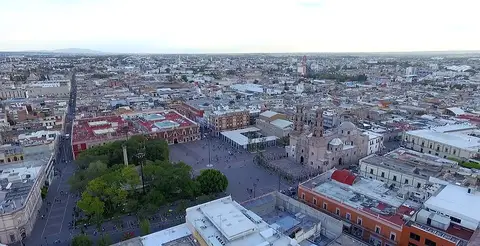
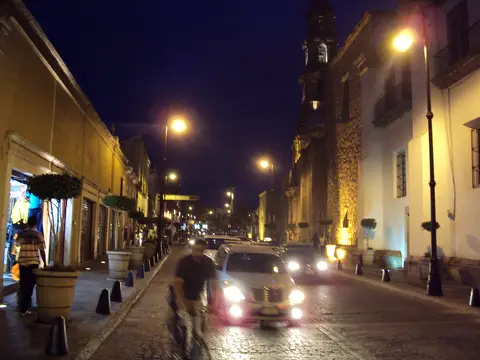
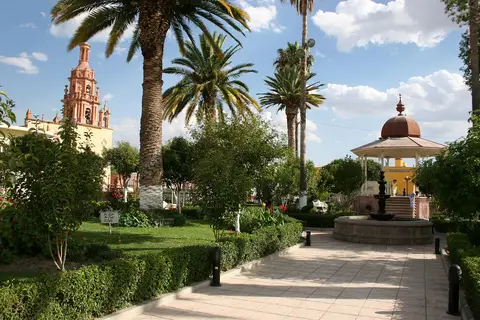
The city of Aguascalientes was founded in 1575 as a stop on the Silver Route to Zacatecas and is now an economically strong industrial city, where Nissan operates several plants. The center around the Plaza de la Patria, with its Baroque cathedral and the red sandstone Government Palace, whose courtyard is decorated with murals by Osvaldo Barra, is easy to explore on foot. The city's most famous son is José Guadalupe Posada, the artist behind La Calavera Catrina, the elegant skeleton that became a symbol of the Day of the Dead; a museum is dedicated to him. The Museo Nacional de la Muerte displays thousands of objects related to death in Mexican culture. The Feria de San Marcos draws millions of visitors over several weeks in April and May, with bullfights, charreadas, concerts, cockfights and the Jardín de San Marcos at its center. In the fall, the Festival de Calaveras follows to mark the Day of the Dead.
Sights in the State of Aguascalientes
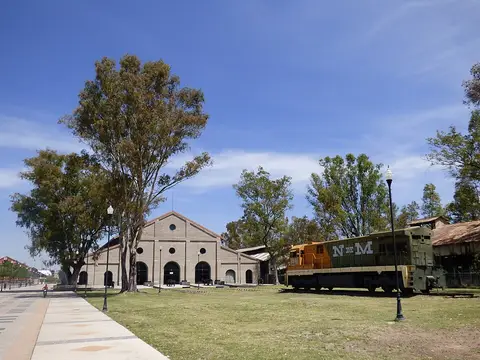
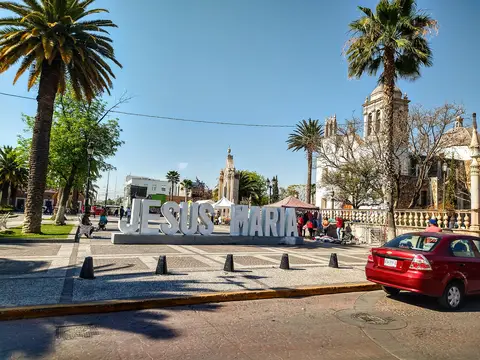
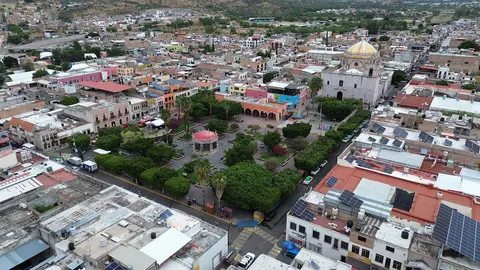
Among the best-known destinations outside the capital is Calvillo, a Pueblo Mágico in a warm valley known for its guavas and fine drawn-thread embroidery. The Presa de Malpaso reservoir and the hot springs in the area invite you to take a dip. Real de Asientos, also a Pueblo Mágico, is an old mining town with tunnels beneath the church and a narrow-gauge railway. San José de Gracia sits on a reservoir overlooked by a statue of Christ with broken chains, about 28 meters (92 feet) tall. In the west, the Sierra Fría offers hiking and mountain biking. Jesús María, just north of the capital, is growing quickly and provides access to wineries.
Food and Drink
Guavas play a starring role in the local cuisine, as candy, jam or liqueur. Typical dishes include Pollo de San Marcos, chicken with fruit and vegetables, Enchiladas de Aguascalientes, which are enriched with guava paste (ate), and birria. Winemaking has a long tradition, and the wineries around Pabellón de Arteaga and Rincón de Romos include estates that offer tastings. During the harvest at the end of July and in August, the grape harvest festival is celebrated.
Getting Around and Best Time to Visit
Aguascalientes Airport has connections to Mexico City, Monterrey, Tijuana and the United States. Thanks to the central location, Guadalajara, Zacatecas, León and San Luis Potosí are just a few hours away by bus. Montoro and Rincón de Romos lie on the highway north, and the capital itself is easy to explore on foot and by taxi. The best time to visit is between October and May, with dry weather and a mild climate; if you want to experience the Feria, plan for April and May and book early. In summer, there are heavy afternoon thunderstorms and the landscape turns green. December is a good time for Calvillo, when the guava harvest peaks and the town holds its own guava festival. Around the Day of the Dead in early November, the Festival de Calaveras brings a large parade of costumed Catrinas through the capital.