Discover Aguascalientes: Hot Springs, Feria, and Wine
Travel guide · editorialHot springs gave Aguascalientes its name, and to this day locals associate their city with warm water, fiesta, and hospitality. For a city break in Mexico's central highlands, the capital of the small state of the same name is a relaxed, safe base – especially in spring, when the country's biggest folk festival gets underway.
History: From Post Station to Industrial City
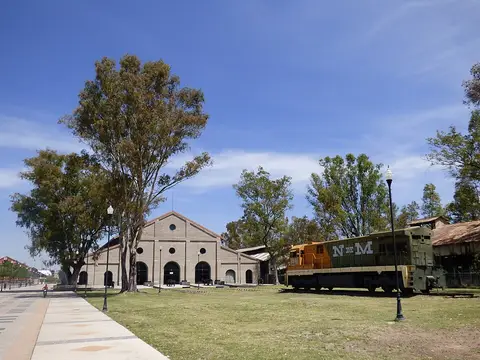
The settlement was founded in 1575 as a stop on the Camino Real de Tierra Adentro, the Silver Road between Mexico City and Zacatecas. The springs of Ojocaliente supplied travelers and mules, and later baths and gardens. In the 19th century, the railroad brought large workshops to the city, and in the 20th century textile factories followed, and finally the auto industry, which made Aguascalientes one of the wealthiest cities in Mexico. In 1914, the Convention of revolutionary leaders met here at the Teatro Morelos – a key moment of the Mexican Revolution.
Sights in Aguascalientes
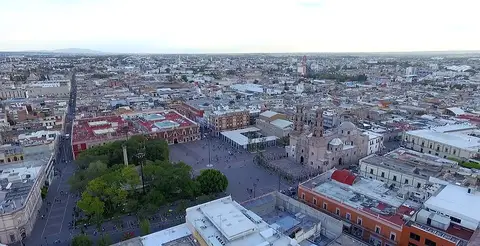
The heart of the city is the Plaza de la Patria, with the Baroque cathedral, the Teatro Morelos, and the Palacio de Gobierno, whose courtyards feature murals by the Chilean artist Osvaldo Barra. A few streets away lies the Jardín de San Marcos, a park ringed by balustrades, which is the focal point of the spring festival. The Barrio del Encino, with its Templo del Encino and the Museo José Guadalupe Posada, honors the printmaker who created the famous Catrina figure. The Museo Nacional de la Muerte, devoted entirely to the Mexican approach to death, is also worth a visit.
Feria de San Marcos and Nightlife
For about three to four weeks in April and May, the city turns into one giant stage: the Feria de San Marcos draws millions of visitors with concerts, bullfights, charreadas, cockfights, a fairground, and a casino. In the evenings, the alleys around the Jardín de San Marcos fill up well into the night. Outside the Feria things are calmer, but the bars on Calle Carranza and around the center do offer nightlife with mezcal and live music. At the end of October, the Festival de Calaveras draws visitors with parades for the Día de Muertos.
Eating in Aguascalientes
The cuisine of the Bajío is hearty. Typical dishes include enchiladas rojas with potatoes and carrots, goat birria, and Pollo de San Marcos, a chicken in tomato sauce that is part of the Feria. The region is known for guavas, which are made into sweets, jam, and liqueur. At markets such as the Mercado Juárez and the Mercado Terán, you'll find gorditas, tacos, and fresh juices. Wine plays a growing role: the state has a long winemaking tradition, and you can visit wineries around the city.
Hot Springs, Excursions, and When to Go
A soak in warm spring water is a must: the historic Baños de Ojocaliente on the eastern edge of the city have been in operation since the 19th century. Excursions lead to Calvillo, a small town with guava plantations and handicrafts, and to the old silver city of Zacatecas, about a two-hour drive away. In the town of Real de Asientos, churches and mines bear witness to the colonial era. Jesús Terán Airport (AGU) lies south of the city and is served mainly by flights from Mexico City, Tijuana, and the U.S. The compact center is easy to explore on foot; for longer distances there are buses and taxis. The best time to visit is between October and May: dry and sunny, with cool nights at an elevation of nearly 6,200 feet (1,900 meters). If you want to experience the Feria, book your accommodations early, as hotels are often booked months in advance and prices rise sharply.
An Evening in the Old Town
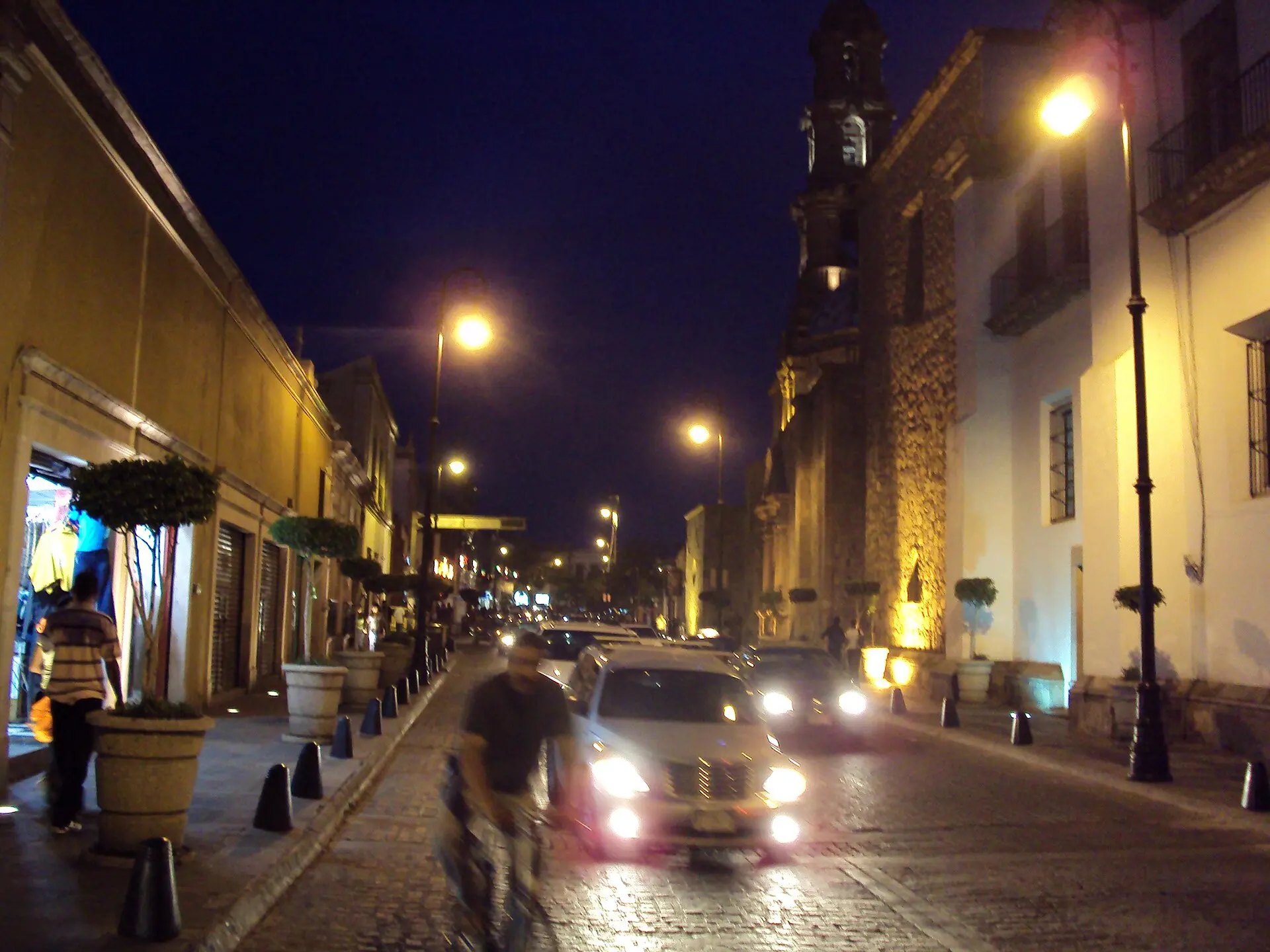
Aguascalientes looks its best in the hours after sunset. The cathedral facade is lit up, families sit by the fountain on the Plaza de la Patria, and vendors sell elotes, boiled ears of corn with mayonnaise, cheese, and chili. A stroll along the pedestrian streets leads to the Jardín de San Marcos, where calm settles in beneath old trees. The city is considered one of the safest in the country, and you can feel it: even late at night, the central streets are lively. If you still have energy, end the day in one of the cantinas with a glass of guava liqueur.