Discovering Oaxaca: Mole, Mezcal, and Monte Albán
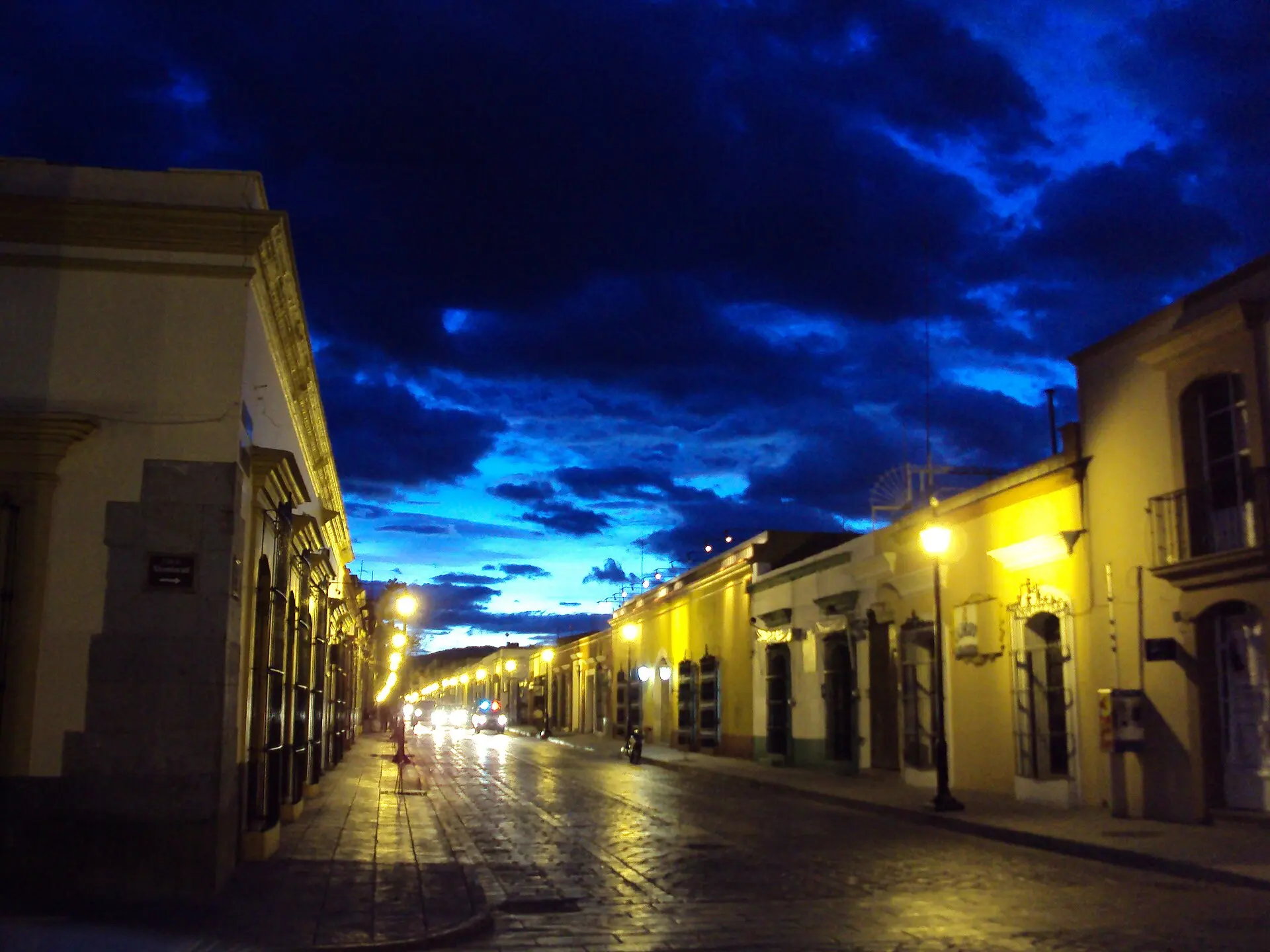
Travel guide · editorialGreen stone facades, markets full of chocolate and chiles, and the Zapotec pyramids on the hilltop above the city: for many travelers, Oaxaca de Juárez is the culinary and cultural heart of Mexico. A trip here takes you through art workshops, mezcal distilleries, and villages where Indigenous traditions are very much alive.
From Monte Albán to the Colonial City
As early as 500 B.C., the Zapotecs built their capital, Monte Albán, on a leveled mountaintop above the valley, and it remained the center of the region for more than a thousand years. The Mixtecs ruled later, followed by the Aztecs, who kept a military outpost here called Huaxyacac – hence the name Oaxaca. After the Conquest, the Spanish founded the city of Antequera in 1529, laid out in a grid pattern. Two of the most important figures in Mexican history came from the state: Benito Juárez, the first Indigenous president, and Porfirio Díaz. The historic center and Monte Albán have been UNESCO World Heritage Sites since 1987.
Sights in Oaxaca
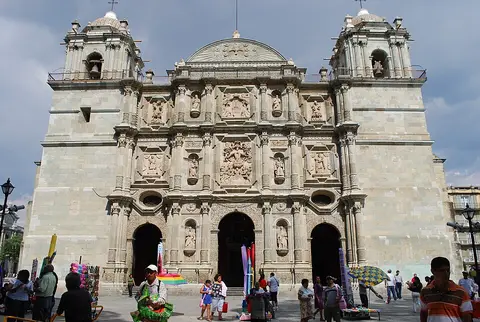
The Templo de Santo Domingo is the city's showpiece: behind the plain facade lies a Baroque interior covered in gilded stucco work, and a Dominican family tree winds across the ceiling. In the adjoining convent, the Museo de las Culturas de Oaxaca displays the treasure from Tomb 7 at Monte Albán, including Mixtec gold jewelry. Next door is an ethnobotanical garden with cacti and agaves. The Zócalo, with its arcades, and the cathedral are the center of city life. Calle Macedonio Alcalá, a pedestrian street, connects Santo Domingo with the center and is lined with galleries, cafés, and shops.
Art, Festivals, and Culture
Oaxaca is a city of artists. The painter Rufino Tamayo was born here, and the Museo Rufino Tamayo shows his collection of pre-Columbian art. Francisco Toledo founded several cultural institutions, including the Centro Fotográfico Manuel Álvarez Bravo and the Instituto de Artes Gráficas. In July, the Guelaguetza turns the city into a stage: delegations from all regions of the state present dances, traditional costumes, and music at the auditorium on the Cerro del Fortín. In late October and early November, altars are built for Día de Muertos, and cemeteries in Xoxocotlán and other towns fill with candles and flowers at night. On December 23, the Noche de Rábanos features elaborately carved radishes on display.
Eating in Oaxaca: The Cuisine of the Seven Moles
Oaxacan cuisine is world-famous, above all for its mole: negro, rojo, coloradito, amarillo, verde, chichilo, and manchamantel, each with its own blend of chiles, spices, and sometimes chocolate. Tlayudas, large crispy tortillas topped with bean paste, quesillo, and meat, are the classic dinner. At the Mercado 20 de Noviembre, you pick out raw meat in the Pasillo de Humo (Smoke Aisle) and have it grilled on the spot; at the Mercado Benito Juárez you'll find chapulines (roasted grasshoppers) and chocolate that is turned into a hot drink with cinnamon and almonds. A mezcal is the perfect finish, whether you sample it at mezcalerías in the center or directly at the palenques in the surrounding area.
Getting Around Oaxaca
Xoxocotlán Airport (OAX) is about 8 kilometers south of the city, with connections to Mexico City, Guadalajara, Monterrey, and a few U.S. cities. From Mexico City, the bus takes about six to seven hours. The historic center is compact and best explored on foot. For excursions into the valleys, you can take colectivos, taxis, or organized tours. Oaxaca is considered relatively safe for visitors, although road blockades during protests occasionally disrupt traffic.
Best Time to Visit and Day Trips
The best time to visit is between October and April, when it is dry and sunny. It gets especially crowded in July for the Guelaguetza and around Día de Muertos. Worthwhile day trips lead to Hierve el Agua, petrified waterfalls of limestone with natural pools; to the ruins of Mitla with their geometric stone mosaics; to Teotitlán del Valle, where rugs are woven with natural dyes; and to the giant Árbol del Tule in Santa María del Tule, a Montezuma cypress with one of the thickest trunks in the world.