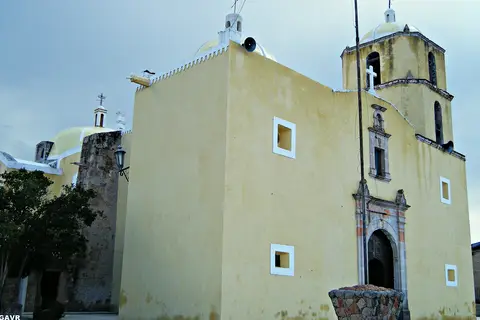
State of Durango: Western Film Sets and the Sierra Madre
Travel guide · editorialA vacation in the state of Durango takes you to one of Mexico's largest and least touristy states. Hollywood shot dozens of Westerns here against a backdrop of semi-desert and mountains, the colonial capital has one of the loveliest city centers in the north, and in the west the canyons of the Sierra Madre Occidental plunge toward the Pacific.
Landscape and Location
Durango is Mexico's fourth-largest state by area, but sparsely populated. In the west rises the Sierra Madre Occidental, with dense pine forests, deep ravines (quebradas) and high valleys around El Salto, one of the coldest places in the country. The east belongs to the highlands, with steppes, pastureland and semi-deserts that merge into the La Laguna region. There, on the border with Coahuila, lies the Bolsón de Mapimí, a desert basin with the enigmatic Zona del Silencio, around which legends of disrupted radio waves abound. Between these landscapes lie irrigated farming areas around Santiago Papasquiaro, Guadalupe Victoria and Nuevo Ideal, where Mennonites work the land.
The Capital, Durango
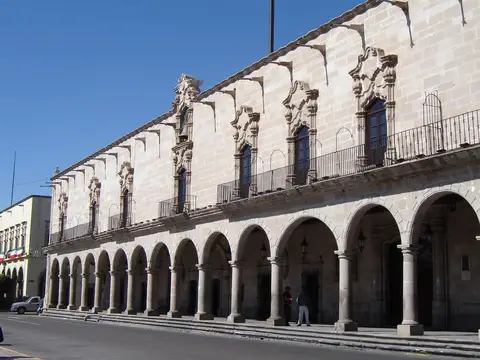
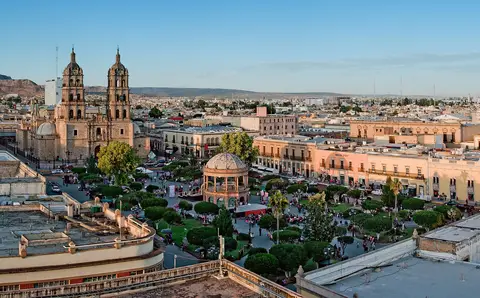
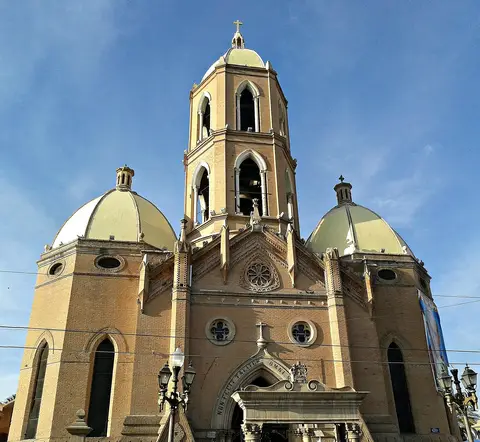
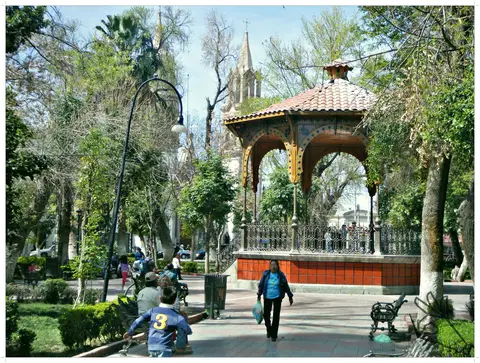
Victoria de Durango, usually just called Durango, was founded in 1563 and lived off the region's silver. The historic center, with its Baroque cathedral, the Palacio de Zambrano and the Casa del Conde de Súchil, is part of the Camino Real de Tierra Adentro World Heritage Site, the old silver road from Mexico City to Santa Fe. A cable car climbs the Cerro del Mercado, a mountain made almost entirely of iron ore that earned the city its mining fame. Beneath the center, you can walk through a restored tunnel, and the Museo Francisco Villa commemorates the revolutionary who was born in Durango. Gómez Palacio and Ciudad Lerdo in the east, together with neighboring Torreón, form the La Laguna metropolitan area, a center of industry and dairy farming.
Sights in the State of Durango
Among the most unusual destinations in Durango are the film sets. Since the 1950s, more than a hundred films have been shot in the area, including Westerns starring John Wayne. Western towns such as Villa del Oeste and Chupaderos are still standing and are used for shows with staged shootouts. The Durango–Mazatlán highway through the Sierra Madre is an experience in itself: the Puente Baluarte carries it across a canyon at a height of about 400 meters (1,300 feet), making it one of the tallest cable-stayed bridges in the world. Near Mapimí, you can visit the ruins of the mining settlement of Ojuela and a long suspension bridge over a gorge. In the west, waterfalls and forests await at Mexiquillo, a nature park with rock formations and tunnels from an abandoned railway line.
Culture and History
In colonial times, Durango was the capital of the province of Nueva Vizcaya, which covered large parts of northern Mexico. During the Revolution, the state was home and refuge to Pancho Villa, whose birthplace lies in San Juan del Río. In the Sierra, Tepehuanes and Huichol live in remote communities. Festivals such as the Feria Nacional in July celebrate rural culture with charreadas, music and livestock shows. Timber, mining and agriculture still shape the economy today.
Food and Drink
Durango is meat country: caldillo durangueño, a soup of dried meat with chile, is the best-known dish, along with gorditas and asado. The state has its own designation of origin for mezcal, which is distilled from wild agaves, especially cenizo. Cheese comes from the Mennonite communities, and quince ate (a fruit paste) is a traditional sweet. In Gómez Palacio and Lerdo, dairy products and meat specialties are part of everyday life.
Getting There and Best Time to Visit
Durango Airport has connections to Mexico City, Tijuana and the U.S.; La Laguna is served via Torreón. The highway to Mazatlán makes it possible to combine your trip with the Pacific coast in about three hours. In remote parts of the Sierra, caution is advised because of the security situation, and travelers should get up-to-date information before they go. The best time to visit is from October to April; in summer it can get hot in the highlands, and the Sierra then gets plenty of rain. In winter, nights are frosty.