Discovering Gómez Palacio: Cotton, Revolution, and Desert
Travel guide · editorialTogether with Torreón and Lerdo, Gómez Palacio forms the heart of the Comarca Lagunera, an oasis in northern Mexico. If you're planning a trip through the north, you'll find revolutionary history, desert landscapes, and a hearty meat-focused cuisine here.
A City Built on Cotton and Railroads
Gómez Palacio emerged in the late 19th century along the railway line that connected the cotton-growing region on the Río Nazas with the rest of the country. The city is named after the politician Francisco Gómez Palacio. The Laguna became a center of cotton cultivation, and many immigrants came here. During the Revolution, the area was fiercely contested: Pancho Villa captured the cities of the Laguna in 1913 and 1914, and the Cerro de la Pila was one of the battlegrounds. Today the economy is dominated by dairy farming (one of Mexico's largest dairy companies has its roots here), food processing, and the metal industry. Together with neighboring Torreón on the other side of the river, Gómez Palacio has grown into a single metropolitan area, even though the border between the states of Durango and Coahuila runs right through it.
Things to See in Gómez Palacio
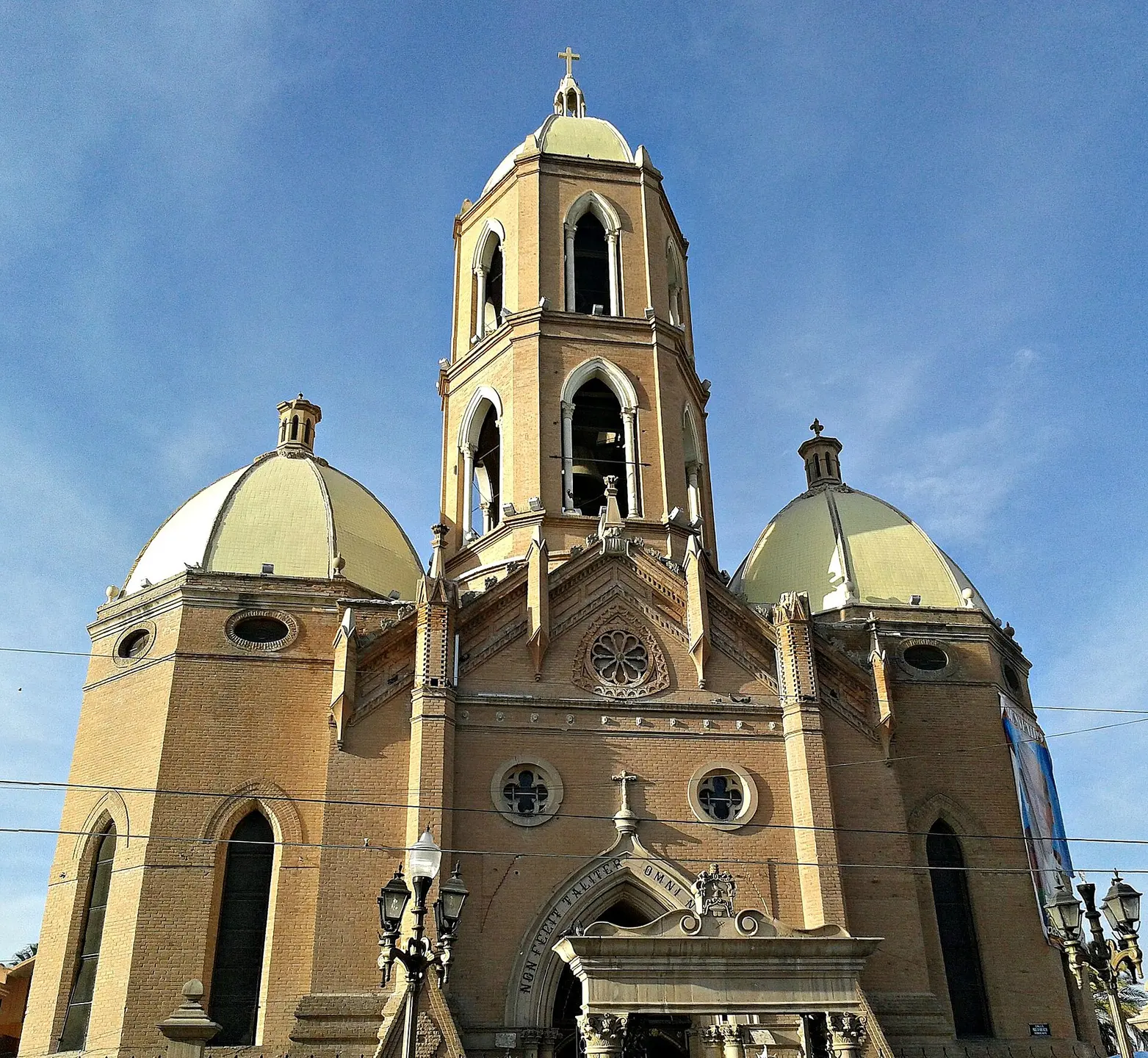
In the center, the Plaza Principal and the railway station area invite you to stroll through the city's founding era. The Sagrado Corazón de Jesús church and Parque Morelos are popular gathering spots. Many visitors head to the neighboring town of Ciudad Lerdo, with its shady center and gardens that earned Lerdo the nickname "City of Flowers." On the other side of the Río Nazas, in Torreón, the huge Cristo de las Noas statue towers over the Laguna, reachable by cable car. Nature lovers will enjoy the desert areas and dunes in the surrounding countryside, such as the Dunas de Bilbao, as well as fossil sites and rock art in the sierra.
Eating in Gómez Palacio
The cuisine of the north revolves around meat: carne asada, cabrito, discada (a mix of different meats cooked on a plow disc), and gorditas with fillings such as chicharrón or rajas. These come with flour tortillas and beans. The region's dairy products are also well known, as are the wines from Parras in Coahuila, which are said to come from the oldest winemaking tradition in the Americas. The restaurants in Gómez Palacio are down-to-earth, and many families get together for barbecues on weekends.
Festivals and Daily Life in the Laguna
City life is closely intertwined with Torreón and Lerdo, and many residents cross the bridges over the Nazas every day. On weekends the parks are full of families, and bandas and norteño groups perform on the plazas downtown. In July and August, the big Feria de Gómez Palacio takes place, one of the best-known fairs in northern Mexico, with livestock shows, rodeos, rides, and concerts by well-known artists. Newer residential neighborhoods such as Los Olivos show how the city is growing, while older settlements such as Dolores, known locally as "La Borrega," recall the agricultural origins of the ejidos.
Getting There and Best Time to Visit
Torreón's international airport is only about 20 minutes away. Long-distance buses run to Durango, Chihuahua, Monterrey, and Mexico City, and within the region the Metrobús Laguna connects the cities. The climate is dry with very hot summers, when temperatures often climb above 100°F (40°C). The best time to visit is therefore between October and April. Gómez Palacio is a quiet stopover on the way between northern Mexico and the highlands.