
Discover Torreón: Cristo de las Noas and the Laguna
Travel guide · editorialHigh above the city, a giant statue of Christ spreads its arms wide, while below, railway buildings and merchants' houses tell the story of a cotton boomtown. Torreón is the center of the Comarca Lagunera in western Coahuila – not a classic vacation destination, but a surprisingly interesting stop on a trip through northern Mexico.
A Young Railroad City
By Mexican standards, Torreón is young. Its name goes back to a watchtower that stood on a hacienda along the Río Nazas in the 19th century. When two major railway lines crossed here around 1880, the town grew rapidly. Cotton from the irrigated fields of the Laguna brought prosperity, and immigrants from Spain, Lebanon, Germany, and China founded trading houses. Torreón received city status in 1907. During the Mexican Revolution the city was fought over several times; Pancho Villa captured it in 1913 and 1914. A dark episode is the massacre of the Chinese community in 1911. Today Torreón forms a metropolitan area of more than a million people together with Gómez Palacio and Lerdo on the Durango side.
Sights in Torreón
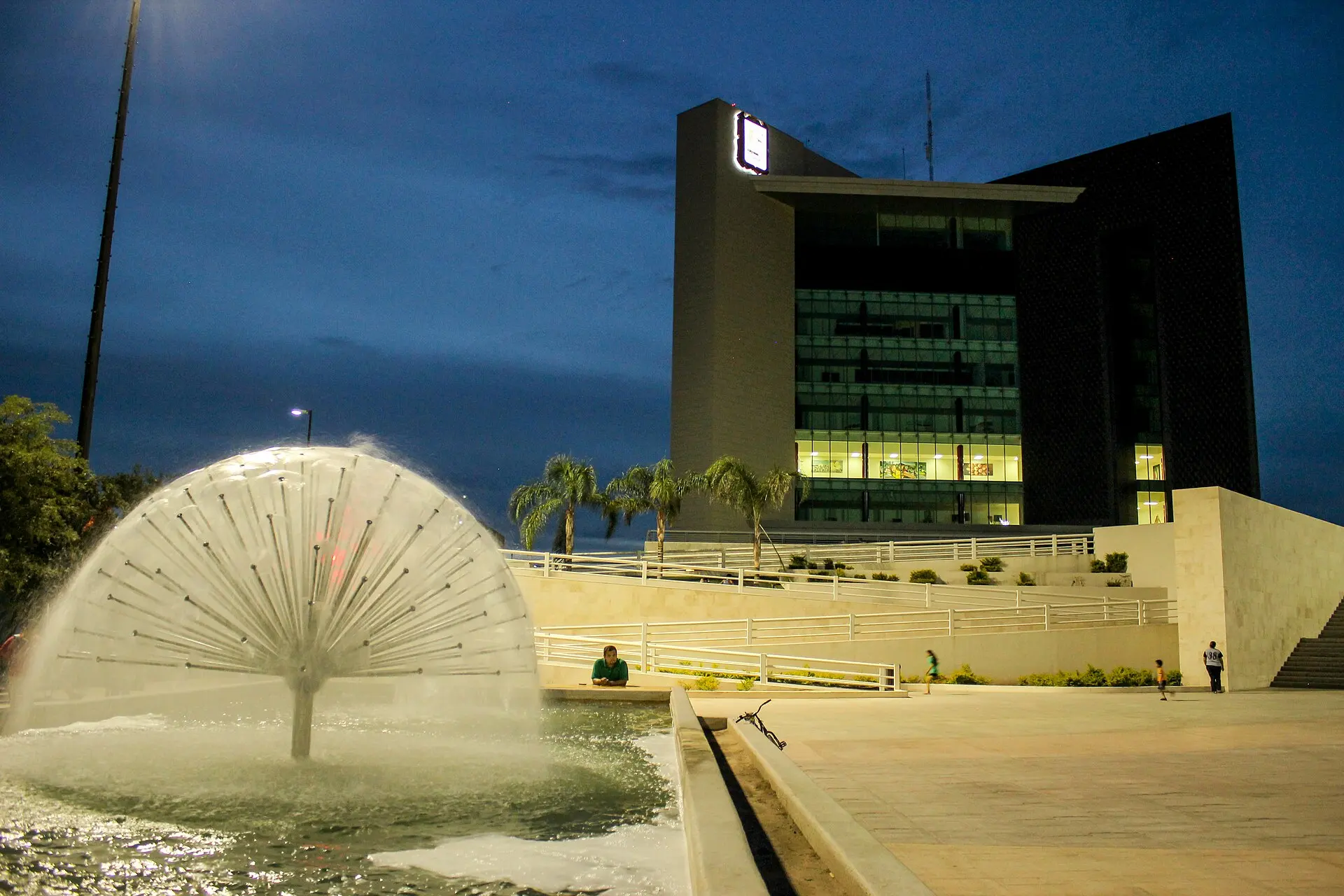
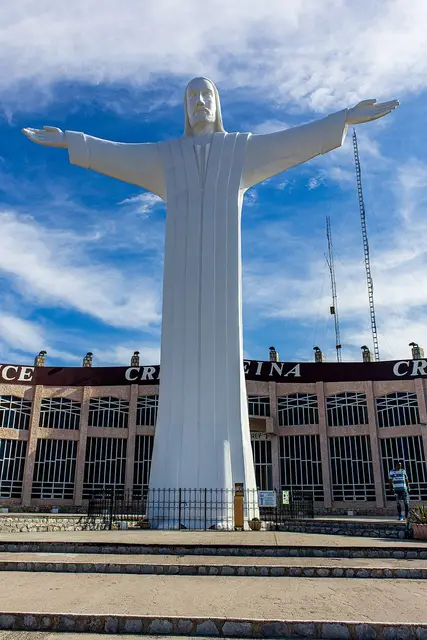
The city's landmark is the Cristo de las Noas on the hill of the same name, one of the largest statues of Christ in Latin America. A cable car, the Teleférico, runs up from the center, and from the top you get sweeping views over the city and the desert. In Centro Torreón you'll find the Plaza de Armas, the Kiosko, and historic buildings with Art Deco facades. The Bosque Venustiano Carranza is the city's oldest park, with old trees and shaded paths. A stroll along Calzada Colón reveals mansions from the heyday of the cotton boom. The Paseo Morelos, a main street converted into a pedestrian zone, invites you to wander past cafés, street performers, and shops.
Museums and Culture
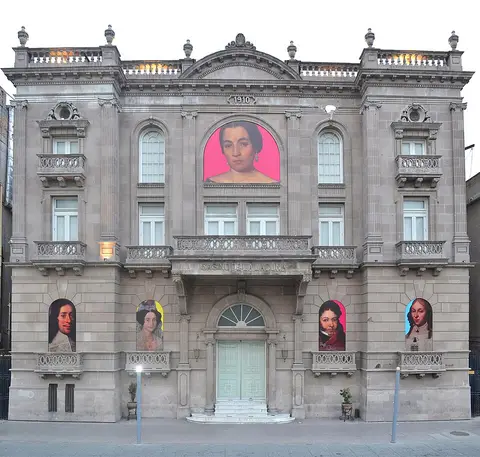
Torreón has a surprisingly rich museum scene. The Museo Arocena in the center shows art from the colonial era to the present in an elegant building, along with exhibitions on the region's history. The Museo del Algodón is devoted entirely to the cotton that made the city great. The Museo de la Revolución recalls the battles of 1913 and 1914. The Teatro Isauro Martínez, a Moorish-Gothic-style building from 1930, is one of the most beautiful stages in northern Mexico. The soccer club Santos Laguna plays in the modern Estadio Corona, which draws big crowds on match days. The fan culture of the Guerreros, as the players are known, is an important part of local identity, and a home game is a great chance to see the Laguneros at their loudest.
Eating in Torreón
The cuisine of the Laguna is hearty. Gorditas, stuffed corn cakes filled with beans, meat, or chicharrón, are sold on every corner. Asado de puerco, pork in red chile sauce, is a festive dish. A lot of milk comes from the region, since Torreón lies in one of Mexico's largest dairy areas; the cheese, cajeta, and sweets are correspondingly good. Wine plays a role too: near Parras de la Fuente, about a two-hour drive away, is the oldest winery in the Americas, Casa Madero, founded in 1597. In the evening, the Laguneros gather in cantinas and grill restaurants downtown and in newer neighborhoods such as Fraccionamiento Moretto.
Getting Around Torreón
Francisco Sarabia Airport (TRC) lies northeast of the city and has connections to Mexico City, Monterrey, Guadalajara, and Tijuana. The Metrobús Laguna links Torreón with Gómez Palacio. For most trips, taxis and ride-hailing services are the practical choice. The security situation has improved markedly since the difficult years around 2010; Torreón is now considered relatively calm. Still, the usual caution at night and on long-distance drives remains advisable.
Best Time to Visit and Day Trips
Summers in the Laguna are hot and dry, winters mild. The best time to visit is between October and April. Worthwhile excursions include the Dunas de Bilbao, sand dunes in the desert near Viesca where you can sandboard down the slopes. Farther east lies Parras de la Fuente, a Pueblo Mágico with wineries, springs, and colonial architecture. In the area of the Zona del Silencio, a desert region surrounded by myths about radio interference, you can discover bizarre landscapes.