



Coahuila: Desert Oases, Dinosaurs, and Vineyards
Travel guide · editorialCoahuila, officially Coahuila de Zaragoza, is a land of deserts and mountains on the border with Texas. A trip to Coahuila takes you to turquoise pools in the middle of the Chihuahuan Desert, the oldest vineyards in the Americas, and a region where more dinosaur fossils have been found than almost anywhere else in Mexico.
Landscape and Location
Coahuila is Mexico's third-largest state. In the north, the Río Bravo (Rio Grande) forms the border with Texas for about 310 miles. The west belongs to the Chihuahuan Desert, with salt flats and dunes, while the ranges of the Sierra Madre Oriental rise in the south and east. In between lie high plateaus dotted with cacti, yuccas, and agaves. The climate is dry, with hot summers and cool winter nights; in the mountains around Saltillo it can even snow. Large coal deposits lie underground and have shaped the Sabinas region since the 19th century.
Cities and Towns
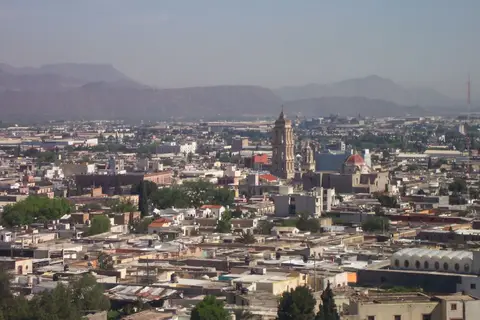
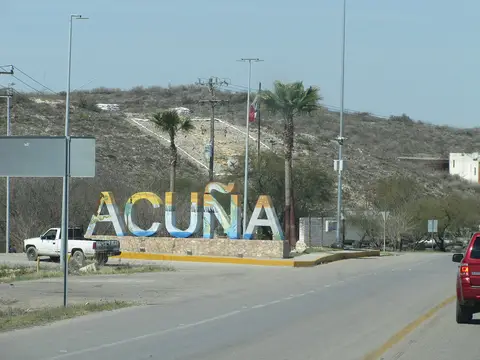
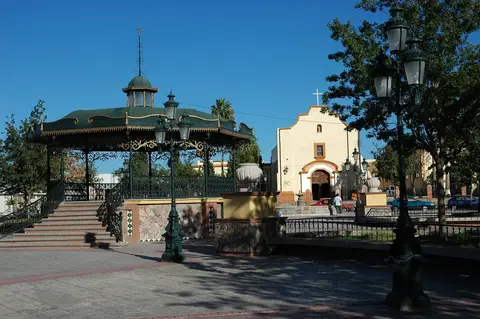
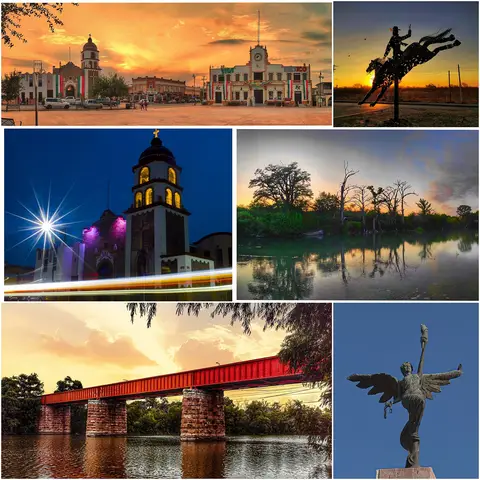
Saltillo, the state capital, sits at roughly 5,250 feet in a valley of the Sierra. Its Santiago Cathedral is one of the finest Churrigueresque buildings in northern Mexico, and the Museo del Desierto explains desert ecology and paleontology with life-size dinosaur reconstructions. Auto plants have set up all around the city, especially in Ramos Arizpe. Torreón in the southwest forms the La Laguna metropolitan area together with Gómez Palacio and Lerdo in Durango; atop the Cerro de las Noas stands a large statue of Christ overlooking the city. Monclova and Frontera are defined by the steel industry. Piedras Negras and Ciudad Acuña are border cities facing Eagle Pass and Del Rio, Texas.
Attractions in Coahuila
The Cuatro Ciénegas nature reserve is a marvel: in the middle of the desert, springs feed hundreds of clear pools, the pozas, home to stromatolites and endemic species, including turtles and fish found nowhere else. Scientists study bacteria here that offer insights into early Earth history. Nearby, the white gypsum dunes of Las Dunas de Yeso glow in the sun. Parras de la Fuente, a Pueblo Mágico, is a green oasis with walnut trees and springs; the Casa Madero winery was founded in 1597 and is considered the oldest winery in the Americas. In the north, the mountain world of the Sierra del Carmen beckons, while west of Saltillo, near General Cepeda, dinosaur bones are being excavated at Rincón Colorado. Viesca with its dunes and Arteaga, with its apple orchards and pine forests near Saltillo, are other Coahuila destinations. In winter, Arteaga even has a small ski slope, Bosques de Monterreal, a rarity in Mexico.
Culture and History
Coahuila was long a frontier region crossed by Apaches and Comanches, and until 1836 it formed a single state together with Texas. Two presidents came from here: Francisco I. Madero, who launched the revolution in 1910, and Venustiano Carranza, father of the Constitution of 1917. Saltillo is known for its sarapes, colorfully woven shawls that became a symbol of Mexican folk art. The area around Múzquiz is home to descendants of the Black Seminoles, the Mascogos, who came from the United States in the 19th century.
Food and Drink
As everywhere in the north, meat is central: cabrito, carne asada, and fritada, a stew made with kid's blood. Pan de pulque, a bread leavened with agave sap, is a Saltillo specialty. Parras is the source of wine, brandy, and sweets made from walnuts and quince. Torreón is known for gorditas and asado de puerco. The wine region around Parras and Arteaga is growing, and many wineries offer tours.
Getting There and Best Time to Visit
There are airports in Torreón (TRC), Saltillo (SLW), and Piedras Negras; many travelers fly into Monterrey, which is only about 53 miles from Saltillo. Long-distance buses connect the cities, and a rental car is handy for Cuatro Ciénegas and Parras. The best time to visit is from October to April, when the heat eases. In August, Parras celebrates its grape harvest. The security situation is considered calmer than in other northern states, but it is still wise to check current advisories in border regions.