Discover Saltillo: Sarapes, Dinosaurs, and Pan de Pulque
Travel guide · editorialColorful wool blankets, dinosaur skeletons in a desert museum, and a Baroque cathedral with an intricate facade: Saltillo, the capital of Coahuila, is smaller and quieter than nearby Monterrey, but rich in history. On a trip through northern Mexico, it's worth a stop for the historic center, the museums, and the food.
One of the Oldest Cities in the North
Saltillo was founded in 1577, making it one of the oldest cities in northern Mexico. In the late 16th century, Tlaxcalans, indigenous allies of the Spanish, settled here, founding the village of San Esteban and bringing their crafts and farming traditions with them. The tradition of sarapes, the colorful woolen shawls that are considered a symbol of the city, goes back to them. At one point, Saltillo was the capital of a state that encompassed Coahuila and Texas. During the Mexican-American War, the Battle of La Angostura took place south of the city in 1847. Today, Saltillo is an important center of the auto industry, with plants run by major manufacturers in the surrounding area, such as in Ramos Arizpe and Derramadero.
Sights in Saltillo
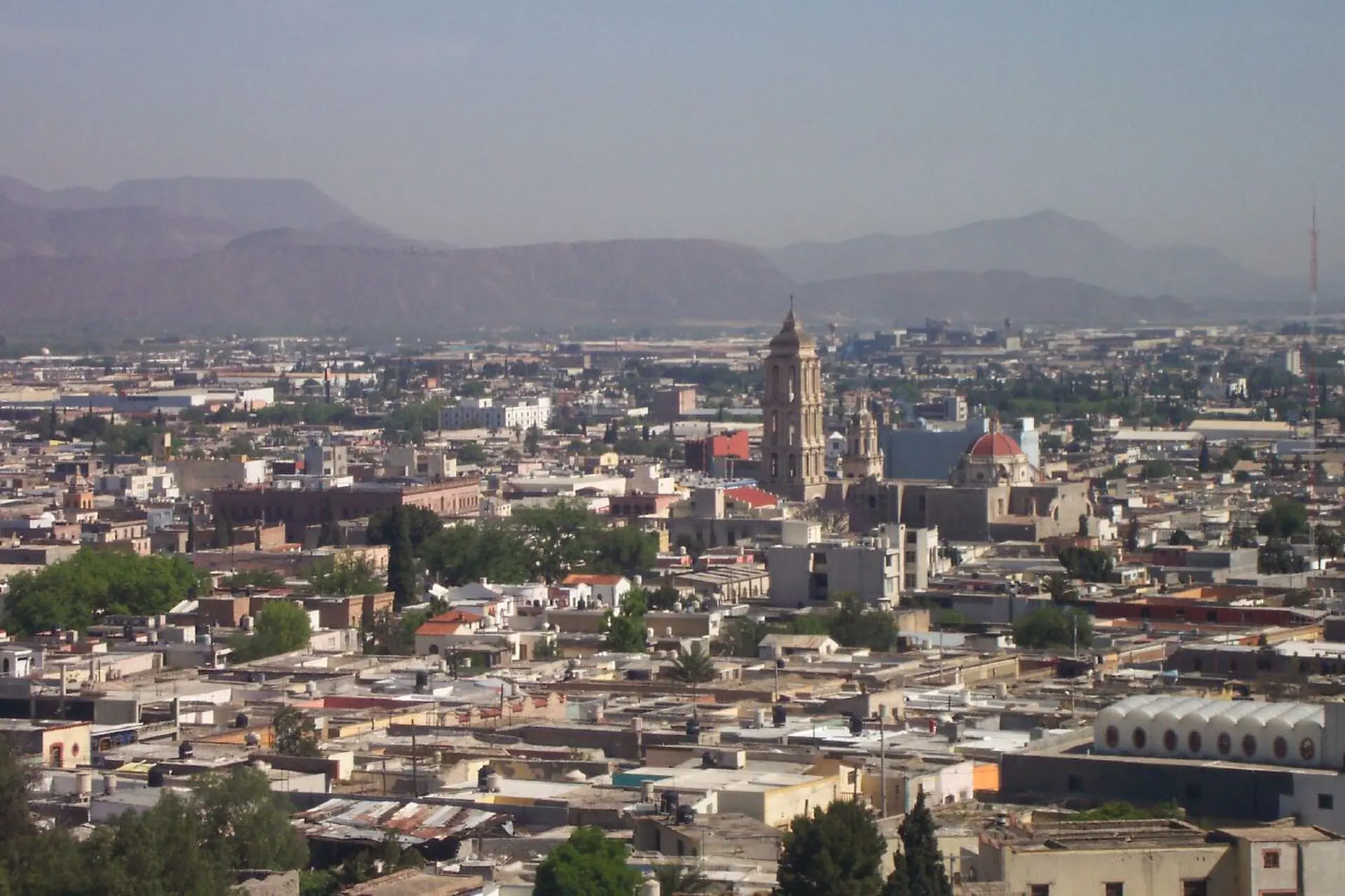
The Catedral de Santiago on the Plaza de Armas is one of the most beautiful Baroque churches in northern Mexico, with a lavishly decorated Churrigueresque facade and a tall tower with views over the city. Across the square stands the Palacio de Gobierno, with murals depicting the history of the state. A walk takes you to the Alameda Zaragoza, a park with old trees and a lake. On the Cerro del Pueblo in the south, there's a lookout with views across the rooftops to the Sierra de Zapalinamé. The neighborhood around Calle Victoria and Calle Allende features colonial houses and small plazas.
Museums in Saltillo
The Museo del Desierto is one of the best natural history museums in Mexico. It displays dinosaur skeletons found in Coahuila—the region is rich in fossils—along with ecosystems of the Chihuahuan Desert featuring cacti, reptiles, and a greenhouse. The Museo del Sarape y Trajes Mexicanos explains how sarapes are woven and showcases traditional costumes from across the country. Another unusual museum is the Museo de las Aves de México, with a large collection of preserved birds. The Centro Cultural Vito Alessio Robles hosts exhibitions and concerts. Coahuila is also the home state of Venustiano Carranza and Francisco I. Madero, two key figures of the Revolution, who are commemorated with monuments and street names.
Eating in Saltillo
The cuisine is hearty and shaped by the north. Cabrito, grilled kid goat, is a specialty here too, as is carne asada served with flour tortillas. A local specialty is pan de pulque, a lightly sweet bread baked with fermented agave sap and available at bakeries around the city. Asado de puerco in red chile sauce is served at festivals. Around the center, you'll find cafés and restaurants in historic buildings, and food stalls at the Mercado Juárez. The state of Coahuila has a long winemaking tradition, and wines from Parras are served in many restaurants.
Getting Around Saltillo
The small Plan de Guadalupe airport (SLW) has few connections, so many visitors fly into Monterrey (MTY), about 56 miles away. Buses connect the two cities regularly. In Saltillo itself, you can use city buses, taxis, or ride-hailing services; the historic center is best explored on foot. Saltillo is considered one of the safer large cities in Mexico, but you should still take the usual precautions, especially at night and on highways heading north.
Best Time to Visit and Day Trips
Saltillo sits at an elevation of about 5,200 feet, so summers are somewhat milder than in Monterrey and winters are cool. The best times to visit are spring and fall. Worthwhile day trips lead to Parras de la Fuente, home to Casa Madero, the oldest winery in the Americas; to Arteaga in the Sierra, with its forests and apple orchards; and to the Dunas de Bilbao, sand dunes in the middle of the desert. If you love fossils, visit the area around General Cepeda, where dinosaur tracks have been found and rock paintings by early inhabitants survive.