Discover Monterrey: Mountains, Industry, and Cabrito
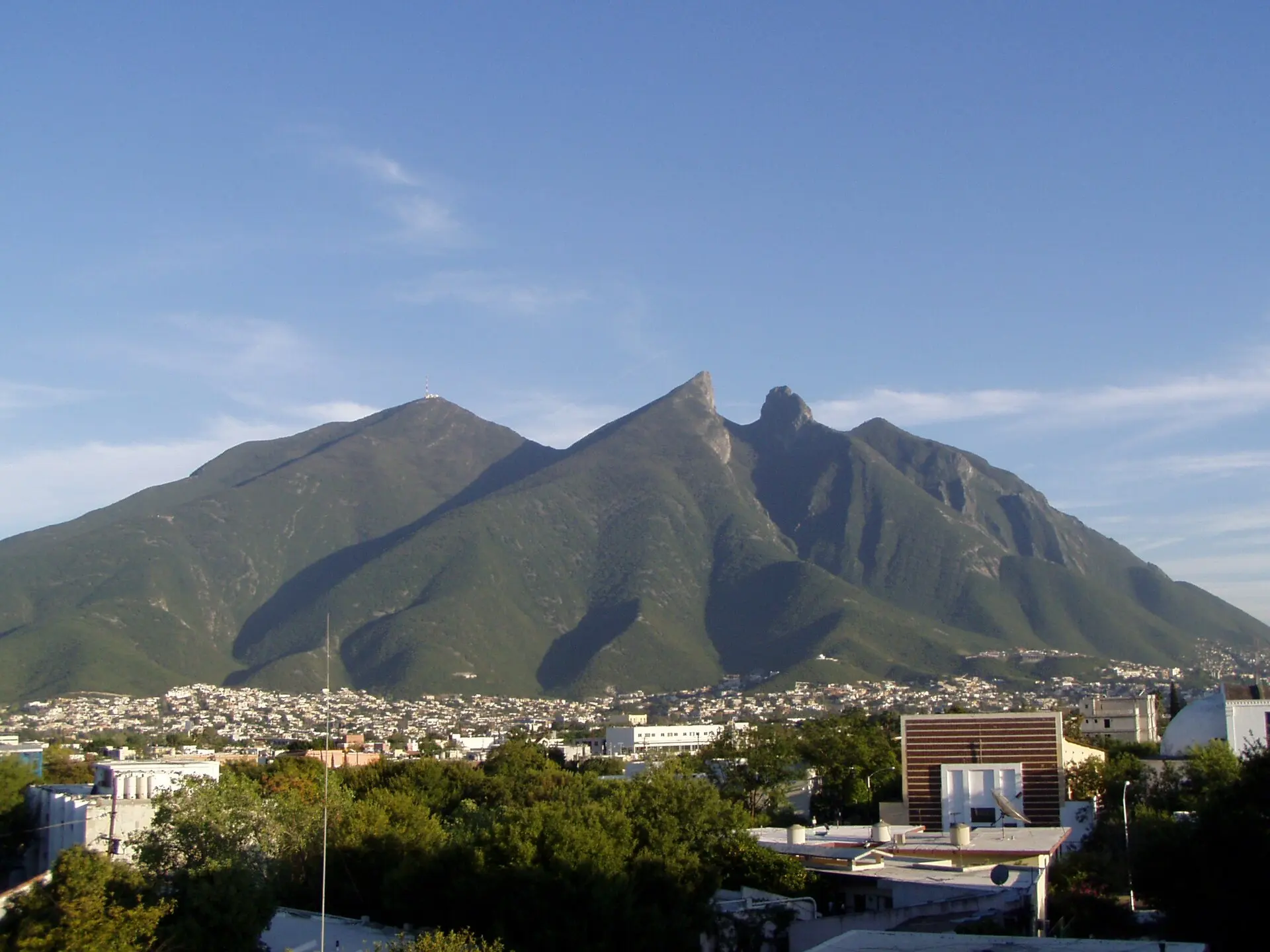
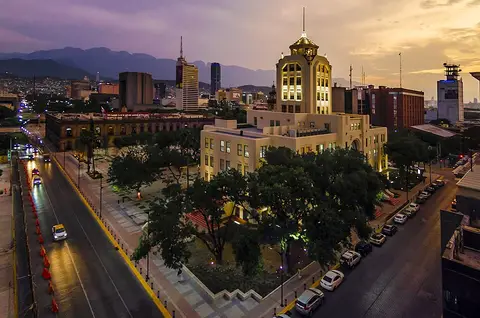
Travel guide · editorialCerro de la Silla, a saddle-shaped mountain, looms over Monterrey, and the rugged limestone walls of the Sierra Madre Oriental rise all around. A trip to the industrial metropolis of northern Mexico is less about colonial romance than about encountering a modern, prosperous Mexico, with major museums, hiking trails on the doorstep, and a grilling culture the Regiomontanos are proud of.
From Frontier Outpost to Industrial Capital
Monterrey was founded in 1596 but remained a remote outpost in the dry north for a long time. The boom came in the late 19th century with the railroad to the United States: the Cuauhtémoc brewery, a steel mill, and glassworks made the city Mexico's industrial center. Entrepreneurship still shapes Monterrey today, as does the respected Tec de Monterrey, a leading technical university. Proximity to Texas is palpable, in the streetscape, in the English many people speak, and in the big shopping malls.
Sights in Monterrey
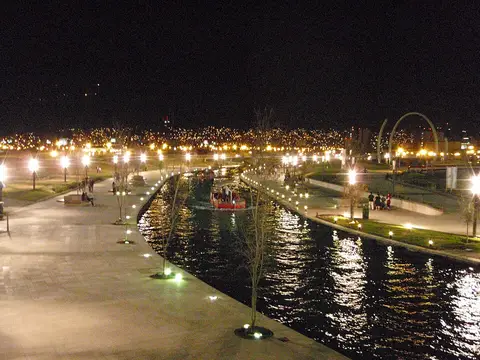
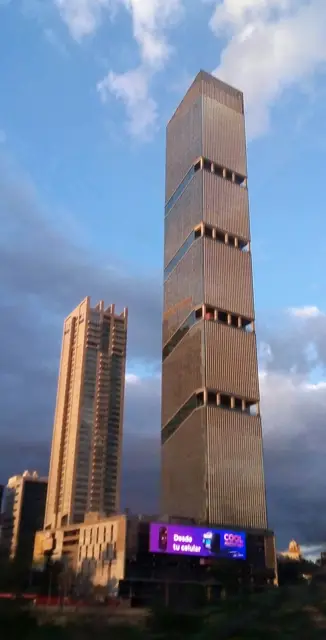
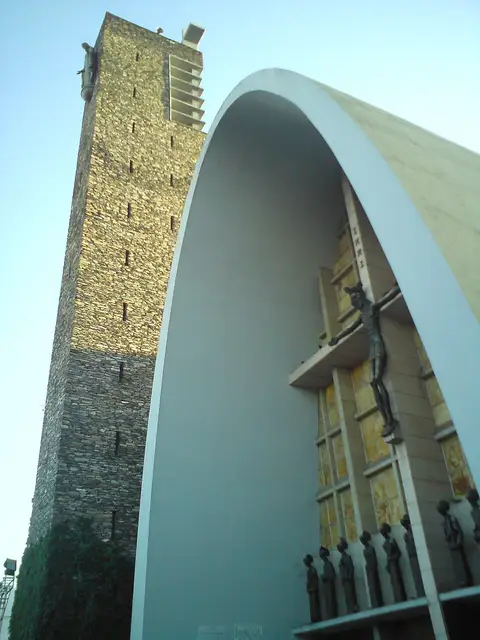
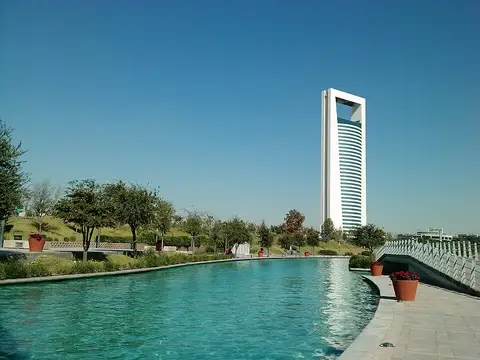
The heart of the city is the Macroplaza, one of the largest city squares in the world, stretching across several blocks. On its edge stand the cathedral, the government palace, and the Faro del Comercio, an orange tower that sends a laser beam across the city at night. From here the Paseo Santa Lucía, an artificial canal with boat rides, leads to Parque Fundidora. Blast furnaces and halls have been preserved on the grounds of the former steel mill; today they host concerts, festivals, and trade fairs, and the Horno 3 blast furnace is a museum with an observation deck. The Barrio Antiguo east of the Macroplaza preserves low 19th-century buildings that now house cafés and bars; on weekends there are crafts markets. An architectural eye-catcher is the Basílica de la Purísima from the 1940s, an early landmark of Mexican modernism with sweeping concrete vaults, just a few blocks west of the Macroplaza.
Museums and Neighborhoods
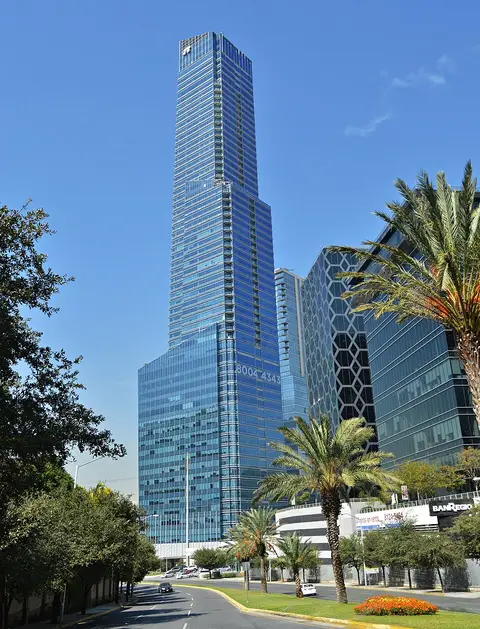
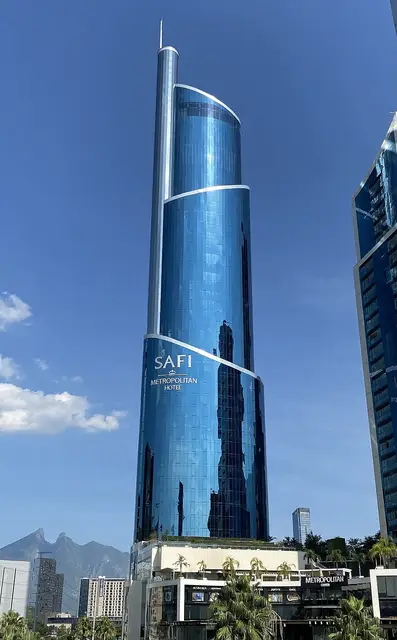
The Museo de Historia Mexicana offers a good overview of the country's history, while MARCO is one of the most important contemporary art museums in Latin America, recognizable by the large dove sculpture at its entrance. To the west lies San Pedro Garza García, one of the wealthiest municipalities in the country, with high-rises, well-kept parks, and plenty of restaurants. To the south, neighborhoods like Cañada del Sur and residential developments in Olinalá extend up the mountain slopes, the large residential area of Cumbres spreads out to the northwest, and in San Jerónimo homes mix with shopping centers.
Eating in Monterrey: Cabrito and Carne Asada
The most famous dish is cabrito, young kid goat slowly roasted on a spit over charcoal; traditional restaurants roast it in plain view in the window. On weekends, families celebrate carne asada, the communal grilling of beef, served with flour tortillas, guacamole, and frijoles charros. Machacado con huevo, dried beef with scrambled eggs, is a typical breakfast. Beer is a tradition here: the Cuauhtémoc Moctezuma brewery offers tours of its historic grounds. For dessert, Regiomontanos like to eat glorias, caramel candies with nuts from nearby Linares.
Nature and Excursions
Monterrey is a city for outdoor people. Parque Ecológico Chipinque in the mountains above San Pedro has hiking and mountain biking trails with views across the valley. About 25 miles (40 km) to the south, near Santiago, the Cola de Caballo waterfall, the "horse's tail," plunges over a rock ledge; the town of Santiago itself is a Pueblo Mágico. The Grutas de García, limestone caves to the north, are reached by cable car. Climbers head to Potrero Chico near Hidalgo, one of the best-known limestone climbing areas in the world.
Getting Around, Safety, and Best Time to Visit
Mariano Escobedo Airport (MTY) lies northeast of the city in Apodaca and has connections to all parts of Mexico and the U.S. The multi-line Metrorrey network connects the center with the suburbs, but for many destinations, ride-hailing apps or a rental car are more practical. The security situation has improved significantly since the difficult years around 2010, and with the usual precautions you can get around well in the center, Barrio Antiguo, and San Pedro. Summers are very hot, with temperatures often well above 95°F, so the best time to visit Monterrey is from October to April.