


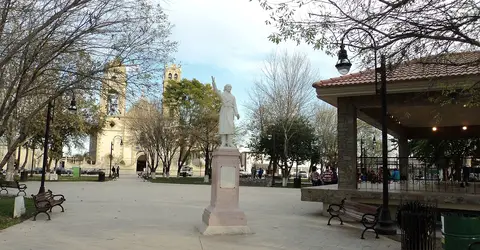
Nuevo León: Monterrey and the Sierra Madre Mountains
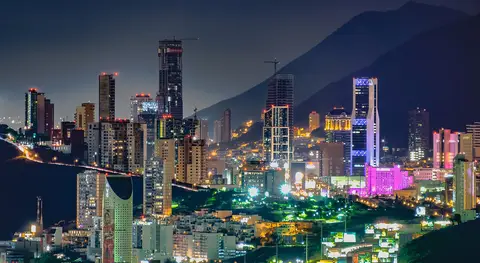
Travel guide · editorialNuevo León is the economic engine of northern Mexico, and yet beyond Monterrey's glass towers lies a wild mountain landscape of canyons, waterfalls, and climbing walls. A vacation in the state of Nuevo León is well worth it if you want to combine big-city life with outdoor adventure, and if you enjoy meat grilled over an open fire.
Between Mountains and Plains
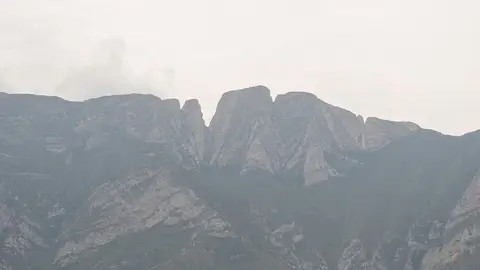
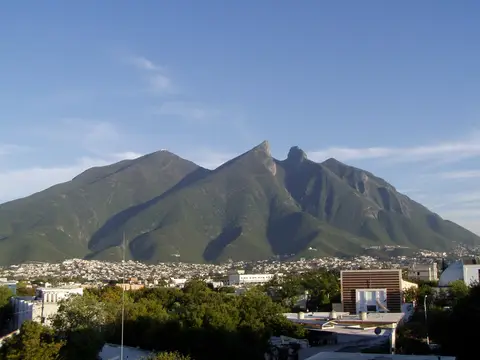
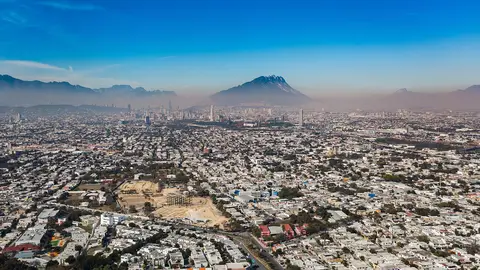
The state stretches from the Texas border, which it touches along only a few miles, deep into the Sierra Madre Oriental. The north and east are flat and dry, shaped by thorn scrub and ranch land. In the south and west, by contrast, the folded limestone ridges of the Sierra rise steeply. Monterrey lies nestled in these mountains, overlooked by Cerro de la Silla, whose saddle shape has become the city's landmark, and by Cerro de las Mitras. The climate is hot and mostly dry; in summer, temperatures regularly climb above 38 degrees Celsius (100°F).
Monterrey and the Metropolitan Area
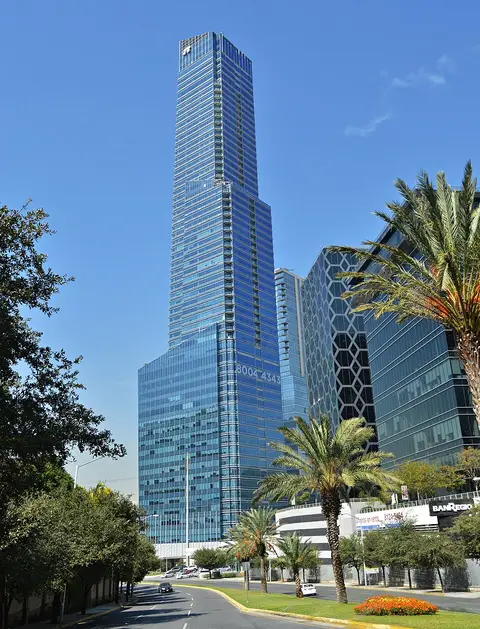
Monterrey was founded in 1596 and grew into an industrial city from the late 19th century on, with steelworks, breweries, and glass factories. Today, together with Guadalupe, San Nicolás de los Garza, Apodaca, General Escobedo, Santa Catarina, and San Pedro Garza García, it forms a metropolitan area of more than five million people. San Pedro is considered one of the wealthiest municipalities in Latin America, with restaurants, shopping centers, and modern high-rises. Benito Juárez to the east, by contrast, is a rapidly growing residential city. The metropolis is home to major corporations in the cement, beverage, and steel industries, as well as the Tecnológico de Monterrey, one of the country's most renowned universities.
Sights in Nuevo León
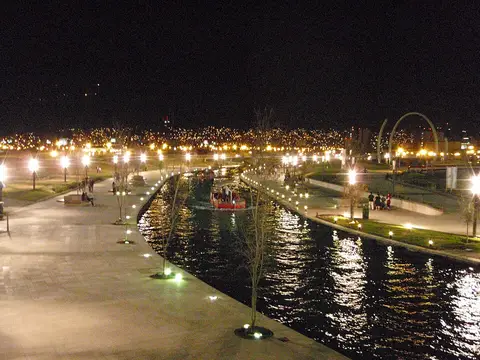
The heart of Monterrey is the Macroplaza, one of the largest city squares in the world, with the red Faro del Comercio (Lighthouse of Commerce) and the cathedral. From there, the Paseo Santa Lucía, an artificial river canal, leads to Parque Fundidora, a former steelworks whose blast furnaces now serve as a backdrop for concerts, museums, and strolls. The Barrio Antiguo, with its natural-stone houses, is a popular spot for a night out. The Museo de Arte Contemporáneo, or MARCO, and the Museo de Historia Mexicana are among the best museums in the north. In Cumbres de Monterrey National Park you'll find the Cola de Caballo waterfall near Santiago and the Matacanes Canyon, one of Mexico's best-known canyoning tours. The Grutas de García, a stalactite cave, is reached by cable car. Climbers are drawn to Potrero Chico near Hidalgo, where limestone walls rise several hundred meters high.
Small Towns with History
Santiago, about 22 miles to the south, is a well-kept colonial town overlooking La Boca Reservoir. Farther south lies Linares, famous for its glorias, a sweet made from goat's milk and nuts. In the rural north, ranching traditions have survived in places like Sabinas Hidalgo, and near Bustamante a stalactite cave leads deep into the mountain. The music of the region is música norteña, with accordion and bajo sexto, which was once influenced by German and Czech immigrants.
Food and Drink
The signature dish of the northeast is cabrito, young kid goat slowly roasted on a spit over charcoal. Equally popular are carne asada, a Sunday family ritual in the backyard, and machacado con huevo, dried, shredded beef with eggs. These come with flour tortillas rather than corn. Monterrey is also a beer city: the Cervecería Cuauhtémoc, home to brands like Carta Blanca and Bohemia, has shaped the city's character since 1890. For dessert, a piece of glorias or nut confection from Linares is the perfect finish.
Getting There and Best Time to Visit
Monterrey International Airport (MTY) is located in Apodaca and is served by flights from many cities in Mexico and the U.S. In the city, metro lines operate and are being gradually expanded. For excursions into the mountains, a rental car or a guided tour is practical. The best time to visit is considered to be October through April, when temperatures are pleasant; canyoning in Matacanes is possible mainly in summer, when the water is warm enough. For overland trips, especially near the border, it's a good idea to check current travel advisories.