Discover Durango: Western Film Sets and Baroque Architecture
Travel guide · editorialJohn Wayne shot dozens of films here, and Western movie sets still stand in the desert outside the city. A trip to Durango, the capital of the state of the same name, combines a well-kept baroque center with film history, mining tradition, and mezcal made from wild agaves.
History in the Valle del Guadiana
Durango was founded in 1563 by Francisco de Ibarra in the Valle del Guadiana and served as the capital of the province of Nueva Vizcaya, which covered much of what is now northern Mexico. Silver mines in the surrounding area brought wealth, as the historic center with its churches and palaces attests. The city lies on the Camino Real de Tierra Adentro, which is protected as a UNESCO World Heritage Site. Pancho Villa came from the state, and the region played an important role in the Revolution.
Sights in Durango
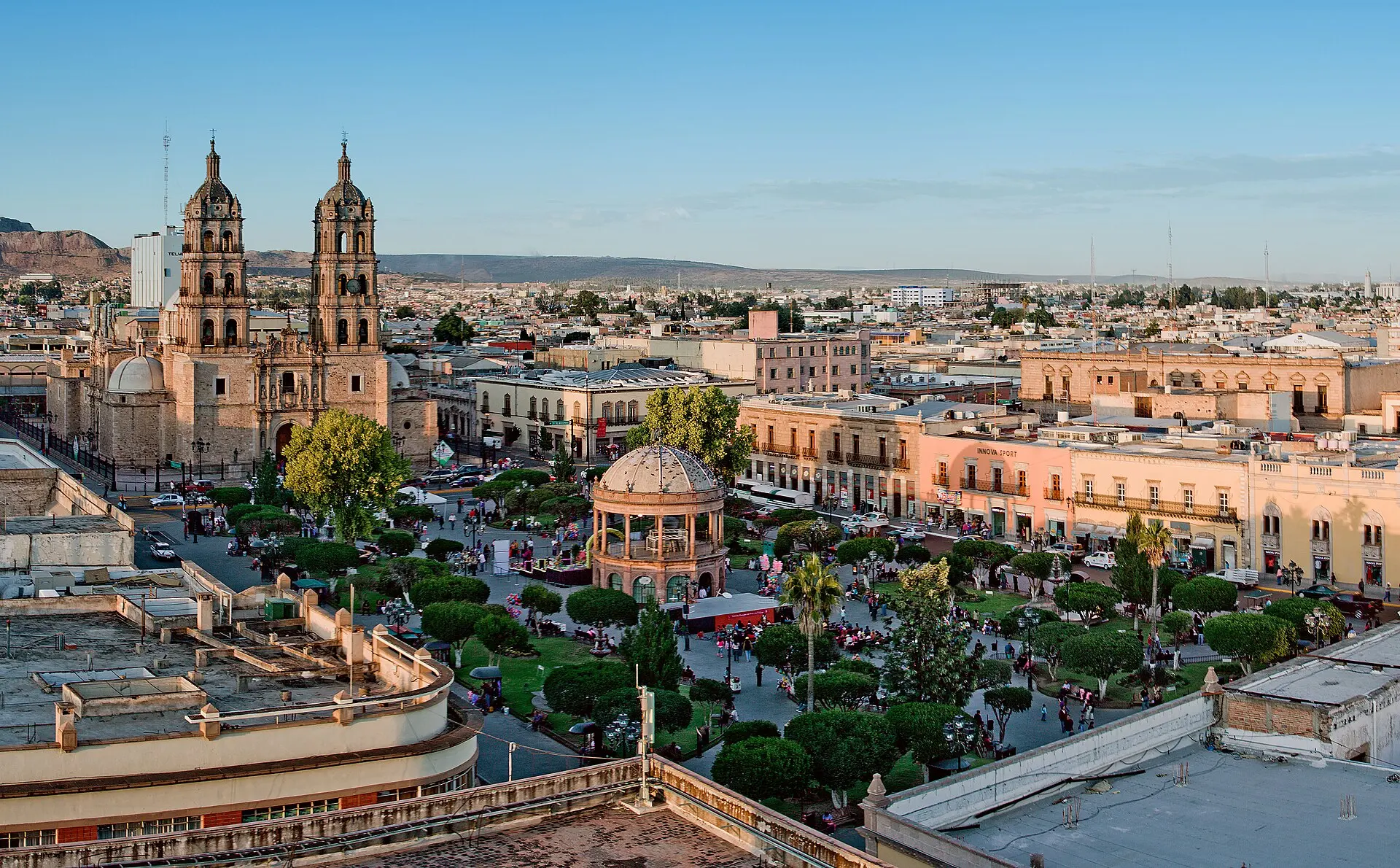
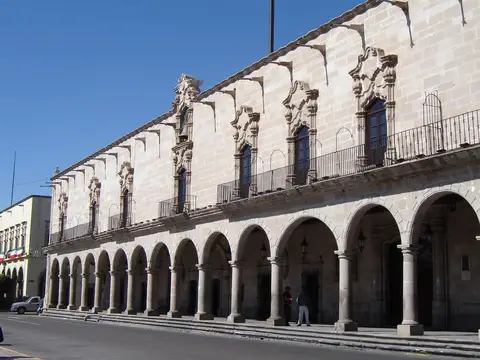
The Catedral Basílica Menor on the Plaza de Armas, with its baroque towers, is the city's landmark; according to legend, it is haunted by a nun who appears at night. The Palacio de Gobierno, originally a private palace, displays murals on the history of the state. The Paseo Constitución is a lively pedestrian zone in the Zona Centro. A cable car takes you up the Cerro del Mercado, a mountain of iron ore that once made the city famous and where mineral collectors can still find specimens on its slopes, with views over the Valle del Guadiana. Beneath the center, the Túnel de Minería, a museum in a reconstructed mine shaft, leads you through the history of mining.
Film and Culture
Starting in the 1950s, Hollywood directors discovered the landscape around Durango. Numerous Westerns were shot on the sets of Villa del Oeste and Chupaderos, and today you can stroll through the streets with their saloon, bank, and sheriff's office, often accompanied by gunslinger shows. The Museo de Cine in the city tells this story. The Museo Francisco Villa in the Palacio de Zambrano is dedicated to the revolutionary. In July, Durango celebrates the Feria Nacional with concerts, charreadas, and a fairground, and the city's founding is marked with parades in the center. The Teatro Ricardo Castro, a magnificent building from the early 20th century, is the city's main venue for concerts and theater.
Eating in Durango
The cuisine is hearty: caldillo durangueño, a broth with dried beef and chili, is the signature dish. You'll also find gorditas, carne asada, and asado rojo. Durango is known for its mezcal made from wild-growing agaves, distilled in the villages around Nombre de Dios. Popular souvenirs include ates made from quince and scorpions set in resin, since the creatures are a symbol of the city, and the soccer team is called the Alacranes, or scorpions. Restaurants around the Plaza de Armas serve regional cuisine in historic buildings.
Getting Around and Best Time to Visit
Guadalupe Victoria Airport (DGO) lies to the northeast, with connections to Mexico City, Monterrey, and Tijuana. The Durango–Mazatlán highway crosses the spectacular Baluarte Bridge, one of the highest cable-stayed bridges in the world, on its way to the Pacific. In the city, buses and taxis are the usual way to get around. The best time to visit is between October and May; summers bring rain. For long-distance drives within the state, it's best to travel only during the day.