Discover Chihuahua: Pancho Villa and the Chepe Train
Travel guide · editorialBetween the desert and the Sierra Madre lies the capital of Mexico's largest state, and it has made history: Hidalgo was executed here, and Pancho Villa had his headquarters here. For a trip to the north, Chihuahua is also the starting point of one of the most spectacular train rides in the world – into Copper Canyon.
Silver, Independence, and Revolution
The city was founded in 1709 as a mining settlement after silver was discovered in the surrounding mountains. The ore paid for magnificent churches. In 1811, Miguel Hidalgo, the father of Mexican independence, was held prisoner in Chihuahua and executed. During the Mexican Revolution, the city was a stronghold of the División del Norte, and Pancho Villa governed the state for a time. Cattle ranching, timber, and industry followed later. Today Chihuahua is one of the strongest economic centers in the country, with maquiladoras and a growing aerospace industry.
Sights in Chihuahua
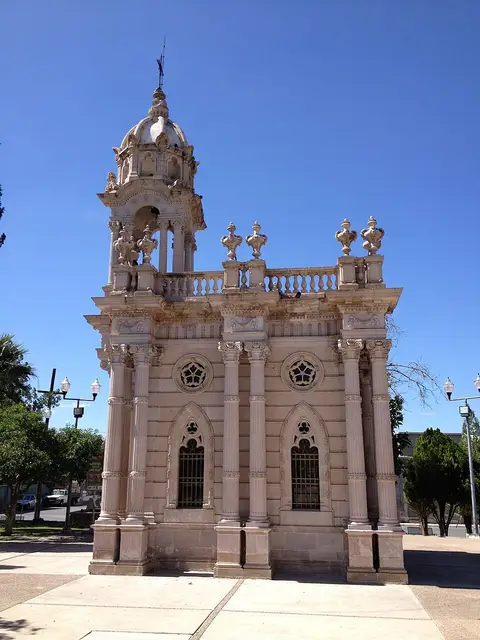
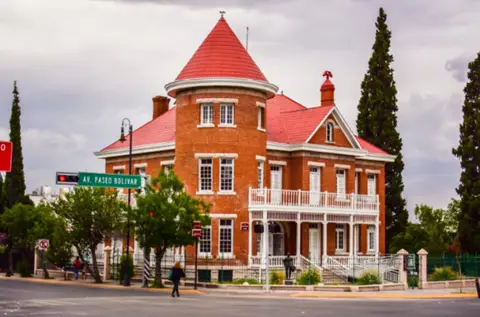
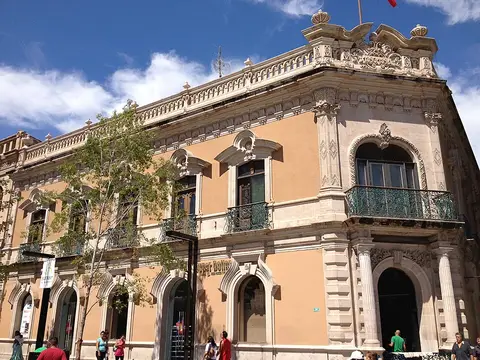
The Cathedral on the Plaza de Armas is one of the finest Baroque buildings in northern Mexico, with an ornate facade of pink stone. In the Palacio de Gobierno, large-scale murals by Aarón Piña Mora depict the history of the state, and a memorial marks the spot where Hidalgo was shot. The Museo Casa de Villa, also known as Quinta Luz, was the revolutionary's home; in the courtyard stands the Dodge in which he was assassinated in Parral in 1923, complete with bullet holes. The Quinta Gameros, a lavish Art Nouveau mansion, now houses a museum with furniture and art from the early 20th century.
Culture and Nightlife
The old town is linked by pedestrian streets such as Calle Libertad, where vendors, street musicians, and families stroll. The Teatro de los Héroes and the Centro Cultural Universitario host concerts and theater. In the fall, the Festival Internacional Chihuahua brings artists from around the world to the city. In the evening, locals gather in bars around the center and along Avenida Juárez, where you'll find craft beer and live music. Boot shops showcase the culture of the north: leather boots, hats, and belt buckles are part of everyday fashion for many ranchers.
Eating in Chihuahua
Beef dominates the menu. Carne asada is eaten with large flour tortillas, and machaca is served at breakfast. Burritos are at home here; they are slim, filled with meat in chile sauce, and often sold on the street. One specialty is discada, a stew of various meats cooked on a plow disc. Queso menonita, a mild cheese that melts beautifully in quesadillas, comes from the Mennonite settlements around Cuauhtémoc. Sotol, a spirit made from a desert plant, is the regional drink and is increasingly served in the city's cocktail bars. For dessert, there's pan de mujer, a lightly sweet bread, or dulces de leche from the villages in the area.
Getting Around Chihuahua and Safety
General Roberto Fierro Villalobos Airport (CUU) lies northeast of the city and has connections to Mexico City, Monterrey, and the U.S. In the city, the Vivebús bus rapid transit system runs; otherwise you'll use taxis or ride-hailing services. The Chepe Regional departs from the train station toward Creel and Divisadero; the more comfortable Chepe Express runs from Creel. The state of Chihuahua has regions with high crime; the city itself is generally unproblematic for tourists, but overland trips should take place during the day. If you're visiting Copper Canyon by train, it's best to book tickets in advance, especially during holiday periods.
Best Time to Visit and Day Trips
Chihuahua sits at an elevation of about 4,600 feet; summers are hot, and winters are cool and sometimes frosty. The best time to visit is in spring and fall. The highlight is a trip to the Barrancas del Cobre, a network of canyons, some of which are deeper than the Grand Canyon. The Rarámuri live there, known for their endurance as runners. Closer to the city is the Mennonite region around Cuauhtémoc, where you can visit cheese factories and farms, and the Grutas de Nombre de Dios, a dripstone cave on the edge of town.