Michoacán: Monarch Butterflies, Lakes, and Purépecha Culture
Travel guide · editorialMichoacán, officially Michoacán de Ocampo, is a land of lakes, volcanoes, and pine forests where millions of monarch butterflies rest every winter. A trip to Michoacán takes you to the pink stone city of Morelia, to Lake Pátzcuaro with its fishermen, and to villages where the Purépecha have preserved their language and crafts.
Volcanoes, Lakes, and Coast
The state stretches from the central highlands to the Pacific. The Trans-Mexican Volcanic Belt, with hundreds of volcanic cones, runs through its middle. The most famous is Paricutín, which rose out of a cornfield in 1943 and buried several villages under lava within a few years. Between the mountains lie lakes such as Pátzcuaro, Zirahuén, and Cuitzeo. To the south, the land drops into the hot Tierra Caliente, a valley of citrus and mango plantations. The coast around Lázaro Cárdenas is wild, with surf beaches and turtle nesting beaches.
Morelia and Pátzcuaro
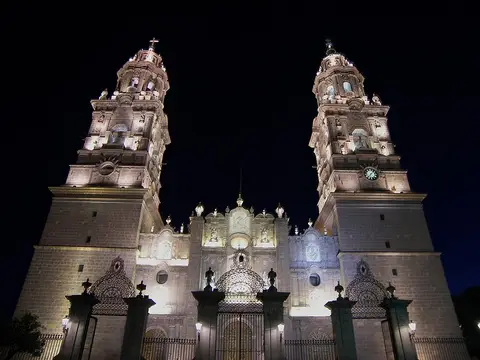
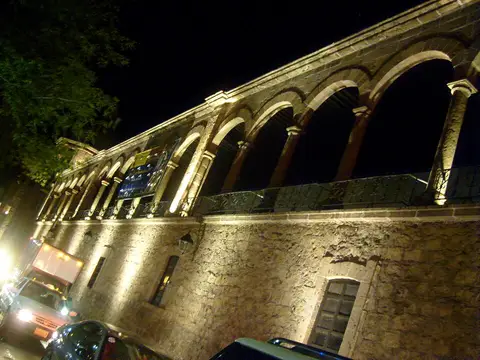
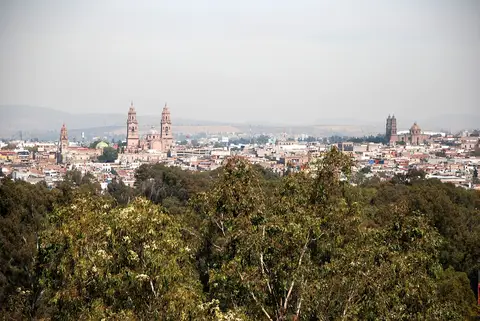
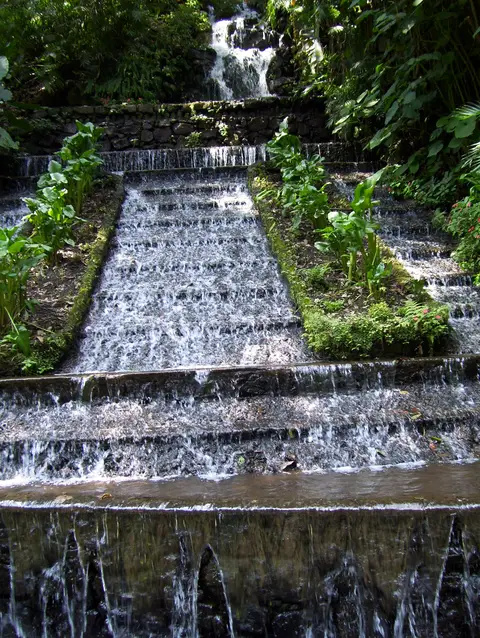
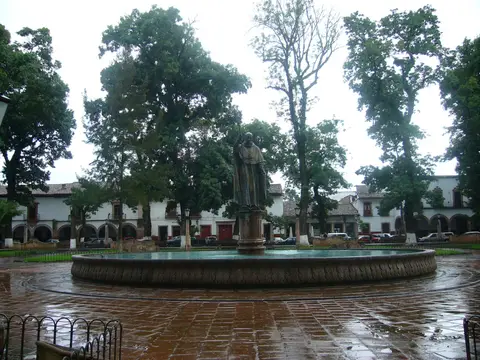
Morelia, the capital, is a UNESCO World Heritage Site thanks to its center built of pink trachyte. The cathedral, with towers more than 60 meters (about 200 feet) high, is lit up on weekend evenings, and an 18th-century aqueduct leads into the city. The birthplace of independence leader José María Morelos is now a museum. Pátzcuaro, a good hour to the west, is a colonial town of whitewashed houses, red baseboards, and dark wooden balconies. From here, boats run to the island of Janitzio with its giant statue of Morelos. Uruapan, the second-largest city, lies in the avocado-growing region; Barranca del Cupatitzio National Park in the middle of the city encloses springs and waterfalls. Zamora, in the northwest, is known for strawberries and an unfinished neo-Gothic cathedral.
Sights in Michoacán
The Monarch Butterfly Biosphere Reserve, a World Heritage Site, lies in the east near Zitácuaro and Angangueo. From about mid-November to March, the orange butterflies hang in dense clusters from the fir trees of El Rosario and Sierra Chincua. Near Angahuan, the church tower of San Juan Parangaricutiro rises from the hardened lava of Paricutín. Tzintzuntzan on Lake Pátzcuaro was the capital of the Purépecha Empire; its half-round yácata pyramids still stand. Craft villages shape the region: Santa Clara del Cobre is known for hammered copperware, Paracho for guitars, and Capula for pottery and clay Catrinas. Tlalpujahua makes Christmas ornaments.
Culture and History
The Purépecha were one of the few peoples in Mesoamerica to resist the Aztecs. After the conquest, Bishop Vasco de Quiroga organized the villages around Lake Pátzcuaro by craft specialization, a system whose legacy lives on today. Michoacán is best known for the Día de Muertos: on the night of November 2, families on Janitzio and in the villages around the lake keep vigil at graves by candlelight. The Dance of the Little Old Men, in which young men in masks imitate the elderly, also comes from the region, as do the Purépecha pirekua songs.
Food and Drink
Carnitas from Quiroga, pork slow-cooked in its own fat in copper cauldrons, are famous. Corundas, triangular tamales, are eaten with cream and salsa, while uchepos made from young corn are slightly sweet. Sopa tarasca, a bean soup with tortilla strips, and charales, small fried fish from the lakes, are part of the highland cuisine. Michoacán is the world's largest avocado producer, and the agave spirits charanda and mezcal give rise to a distinct distilling culture. Ice cream from Tocumbo is sold across the country under the name La Michoacana.
Getting There, When to Go, and Safety
Morelia Airport (MLM) has connections to Mexico City and a few U.S. cities; buses from the capital take about four hours. The best time to travel is between November and March, when the butterflies are here and the weather is dry; the Día de Muertos is the high point of the year. Before traveling, check the security situation carefully: several governments advise against travel to parts of Michoacán, especially the Tierra Caliente and coastal regions. Morelia, Pátzcuaro, and the butterfly reserves are nevertheless visited regularly, ideally during the day and on main roads.