Discovering Morelia: Pink Stone, an Aqueduct, and Monarch Butterflies
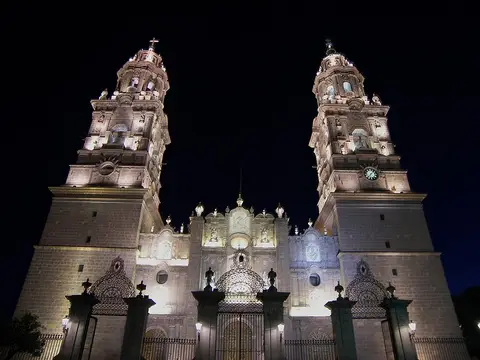
Travel guide · editorialWhen the cathedral is lit up at night and the pink stone of the building facades begins to glow, you understand why Morelia is considered one of Mexico's most beautiful colonial cities. A trip to the capital of Michoacán combines architecture, music, and one of the country's most varied cuisines – and in winter, a side trip to see millions of butterflies.
From Valladolid to Morelia
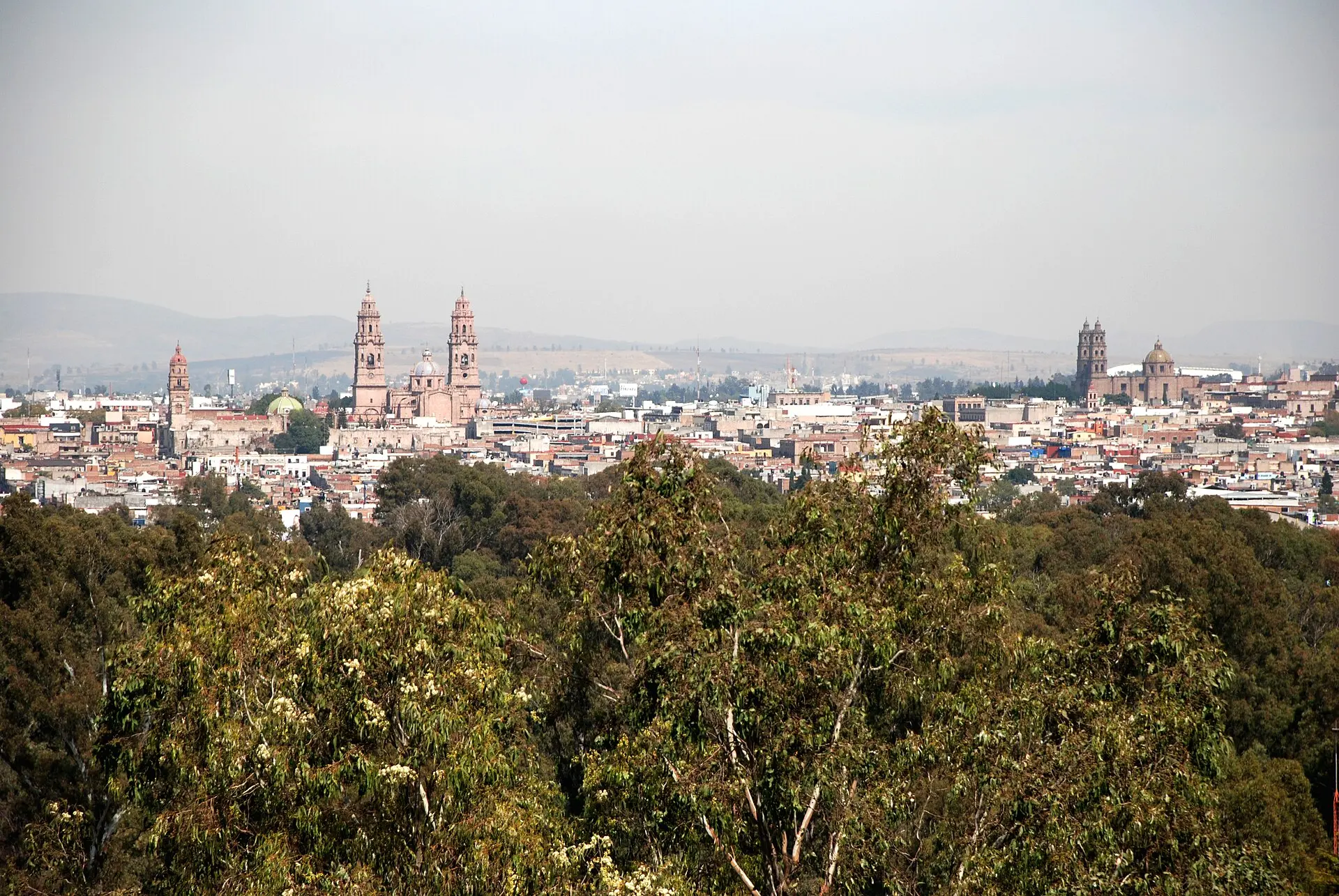
Founded in 1541, the city was originally called Valladolid and grew into the spiritual and intellectual center of the region. Miguel Hidalgo, the future leader of the independence movement, studied at the Colegio de San Nicolás, one of the oldest educational institutions on the American continent. José María Morelos was born in Valladolid in 1765, and in 1828 the city received its present name in his honor. The historic center, with well over a thousand surviving buildings made of pink cantera stone, has been on the UNESCO World Heritage list since 1991.
Sights in Morelia
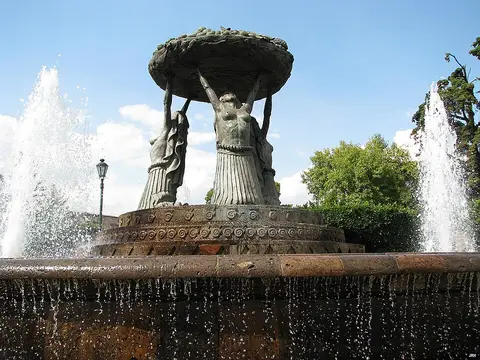
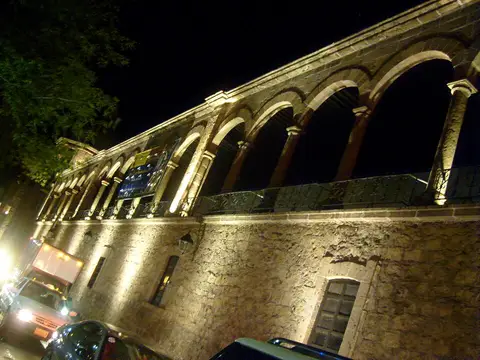
The cathedral, with its twin towers rising about 230 feet, dominates Avenida Madero. On Saturday evenings it is showcased with fireworks and a light show – a ritual that draws many locals. East of the center runs the 18th-century aqueduct with more than 250 arches, ending at the Fuente de las Tarascas, a fountain with three Purépecha women carrying a basket of fruit. From there, the quiet Calzada Fray Antonio de San Miguel leads to the Santuario de Guadalupe, whose interior is covered from floor to ceiling in colorful stucco flowers. The Palacio de Gobierno displays murals by Alfredo Zalce on the history of Mexico.
Museums, Music, and Culture
Morelia has a lively musical tradition: the Conservatorio de las Rosas is considered one of the oldest music schools in the Americas, and every fall the Festival Internacional de Música takes place. The Morelia Film Festival in October, which showcases young Mexican cinema, is known around the world. At the Museo Casa de Morelos and the hero's birthplace, you can trace the story of independence through documents, furniture, and personal belongings, while the Museo del Dulce, set in a shop full of jars and wooden shelves, celebrates the city's candy-making tradition. The Biblioteca Pública, housed in a former Jesuit church, is worth a visit for its space alone. If you're looking for handicrafts, the Casa de las Artesanías in the former Franciscan convent offers lacquerware, copper vessels, guitars from Paracho, and ceramics from the villages of Michoacán.
Eating in Morelia
Michoacán is a stronghold of Mexican cuisine. In the morning, people eat corundas, triangular tamales served with cream and salsa, and later uchepos made from young corn. Carnitas – pork braised in copper cauldrons – originated in this region, as did sopa tarasca. For a snack, there's gazpacho moreliano – not a cold tomato soup, but diced fruit with orange juice, chili, and cheese. At the Mercado de Dulces next to the Colegio Clavijero, you'll find ates made from fruit paste, cajeta, and milk candies. Around the Plaza de Armas and in the Chapultepec neighborhood, restaurants and cafés line the arcades.
Getting Around Morelia and Safety
Francisco J. Mujica Airport (MLM) is about 19 miles to the northeast, and the bus ride from Mexico City takes around four hours. The old town is best explored on foot; for neighborhoods like Ventura Puente or Chapultepec Sur, take a taxi or a ride-hailing app. Travel advisories are in place for parts of the state of Michoacán due to organized crime; the center of Morelia is well visited by tourists, but it's still advisable to avoid driving long distances at night and to check current advisories.
Best Time to Visit and Day Trips
The best time to visit is between November and March: dry and sunny, with cool evenings. That is exactly when monarch butterflies spend the winter in the forests east of the city; the El Rosario Biosphere Reserve is a UNESCO World Heritage Site and can be visited as a day trip. At Lake Pátzcuaro, about an hour away, the Purépecha celebrate the country's most famous Night of the Dead around November 1 and 2, for example on the island of Janitzio. Also nearby are Santa Clara del Cobre with its copper smiths and the village of Tzintzuntzan, with ruins of the Purépecha capital.