Discover Uruapan: Waterfalls, Avocados, and Volcanoes
Travel guide · editorialGreen gorges, rushing water, and avocado orchards stretching to the horizon: Uruapan, in the highlands of Michoacán, is known as the avocado capital of the world. A trip to Uruapan leads you to springs, volcanic landscapes, and the culture of the Purépecha.
A Place in Bloom
The name comes from the Purépecha language and is often interpreted as "place where flowers constantly bloom." The Franciscan friar Juan de San Miguel founded the Spanish settlement around 1533 and laid it out in neighborhoods around small chapels. One of them, the Huatápera, is considered one of the oldest hospitals in the Americas and now houses a museum of Indigenous crafts. For centuries, Uruapan has been known for its lacquerwork, in which wooden bowls and chests are decorated with vivid patterns. Today the local economy revolves almost entirely around the avocado, which is exported from here all over the world.
Sights in Uruapan
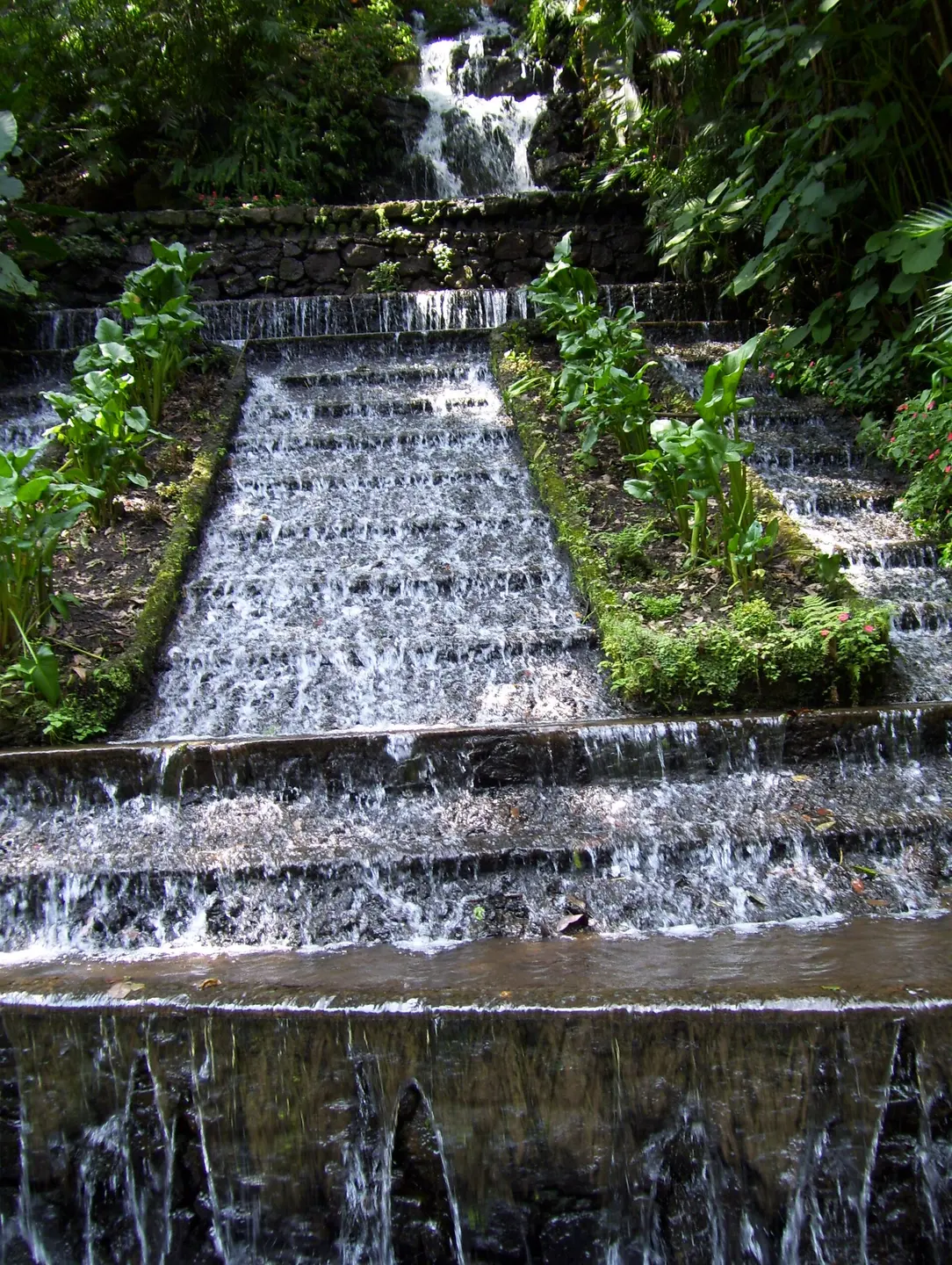
The pride of the city, a lush jungle garden just a few blocks from the center, is the Parque Nacional Barranca del Cupatitzio. This is where the Cupatitzio River rises, tumbling over cascades, under bridges, and through rapids in a verdant gorge. Small stands sell trout and freshly squeezed juices. About six miles (ten kilometers) to the south, the river plunges roughly 130 feet (40 meters) at the La Tzaráracua waterfall. In the center, the Plaza Morelos, the Huatápera, and the market with its stalls invite you to stroll. Some communities on the edge of town, such as Jicalán and Caltzontzin, have a strong Purépecha character and preserve their own festivals.
Eating in Uruapan
Naturally, the avocado plays the starring role, whether as guacamole, on tostadas, or in salads. Other Michoacán specialties include carnitas, pork slowly simmered in a copper cauldron, corundas (triangular tamales), and churipo soup. At the Mercado de Antojitos next to the main square, locals eat tacos, pozole, and buñuelos in the evening. If you like coffee, you'll also find small roasters in Uruapan who work with beans from the region.
Lacquer Art and Palm Sunday
Uruapan's lacquerwork, known in Spanish as maque, is made through painstaking handwork: a paste of earth, oil, and insect fat is applied to wood, then patterns are incised and filled with color. You can watch the process in workshops around the center. The highlight of the year is the Tianguis Artesanal on Palm Sunday, one of the largest craft markets in Mexico, where communities from all over Michoacán offer pottery, textiles, copperware, and wood carvings on the main square. A competition for the most beautiful Indigenous costumes takes place at the same time.
Day Trips, Getting There, and Safety
A classic excursion is the trip to Paricutín, a volcano that emerged from a cornfield in 1943 and, over nine years, buried the village of San Juan Parangaricutiro under lava. The church tower still rises from the black rock today; hikes and horseback rides start in Angahuan. Pátzcuaro, with its lake, is also within reach. Uruapan has a small airport, but Morelia is better connected; long-distance buses link the city with Guadalajara and Mexico City. Michoacán is affected by conflicts between criminal groups, and travel advisories urge particular caution. You should get informed in advance, travel overland only during the day, and use organized tours. The best time to visit is from October to May; in early November, the region celebrates the Day of the Dead in impressive fashion.