
Discover Guadalajara: Mariachi, Tequila, and Tortas
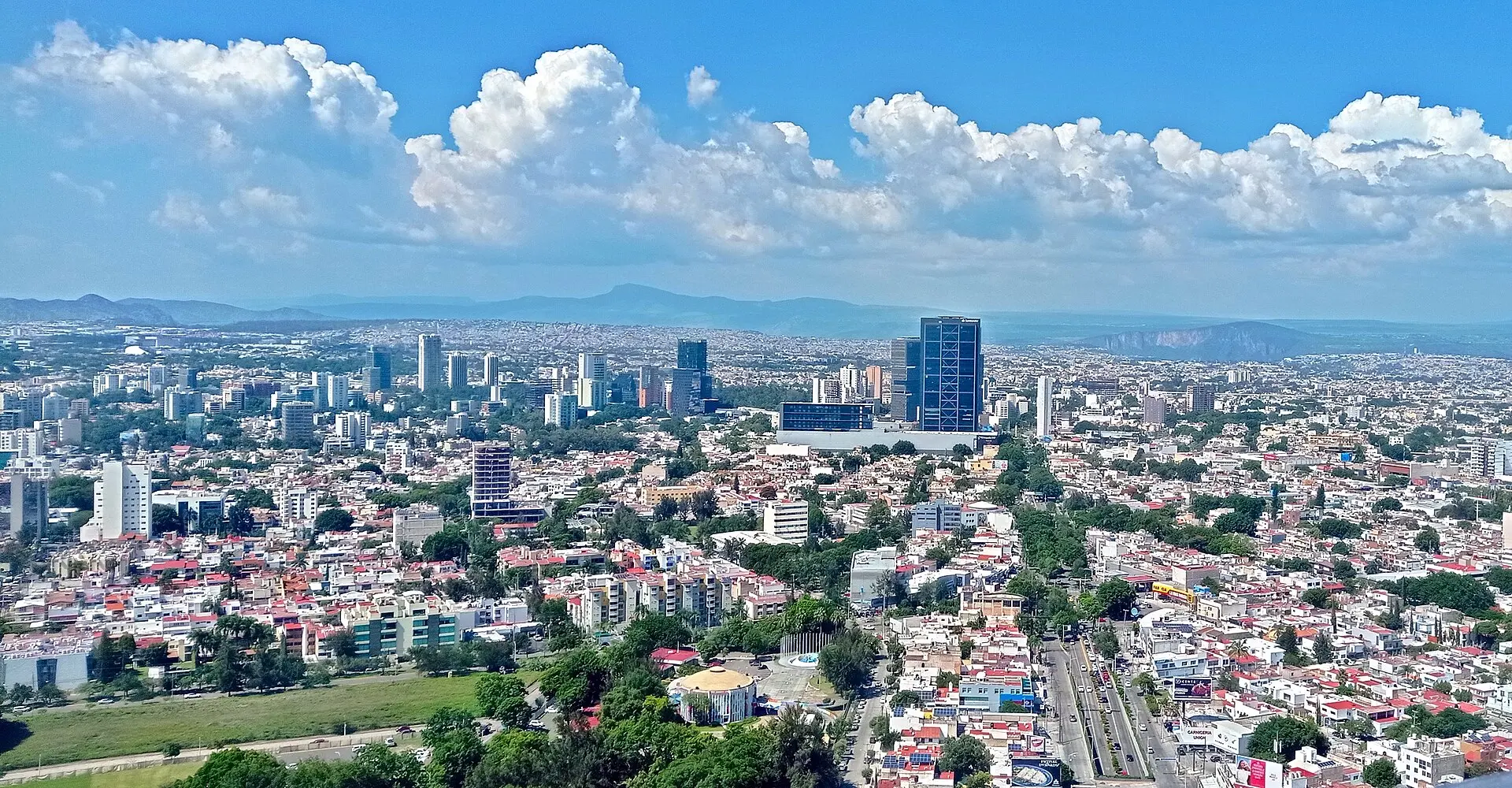
Travel guide · editorialMariachi, tequila, charros in wide-brimmed sombreros – many of the images the world considers typically Mexican come from Guadalajara and its surroundings. A trip to the capital of Jalisco combines colonial plazas, one of the country's most important ensembles of murals, and a cuisine that has produced its own classics. For a city break, Mexico's second-largest metropolis is pleasantly relaxed, the climate mild, and distances short.
History of a Self-Confident City
After several relocations, Guadalajara was founded at its present site in the Atemajac Valley in 1542 and named after the city of the same name in Spain. As the seat of the Audiencia of Nueva Galicia, it was for centuries the administrative center of the vast Spanish west. During the War of Independence, Miguel Hidalgo proclaimed the abolition of slavery here in 1810. In the 20th century, Guadalajara grew into an industrial and university city, and thanks to numerous electronics and software companies, the region is now considered the "Mexican Silicon Valley." The Tapatíos, as the residents call themselves, cultivate a strong regional identity – and a friendly rivalry with Mexico City.
Sights in Guadalajara
The historic center is laid out around four plazas that together form a cross around the cathedral. Its yellow, pointed twin towers were rebuilt after an earthquake in the 19th century and are the city's landmark. In the Palacio de Gobierno, José Clemente Orozco shows an angry Hidalgo with a raised torch above the stairwell. From the Teatro Degollado, a neoclassical opera house, the pedestrian zone Plaza Tapatía runs about half a kilometer to the Hospicio Cabañas. The former orphanage and poorhouse from the early 19th century, with its 23 courtyards, is a UNESCO World Heritage Site; beneath the dome of the chapel, Orozco painted his "Man of Fire," a masterpiece of Mexican muralism. Right next door is the Mercado Libertad, popularly known as San Juan de Dios, one of the largest covered market halls in Latin America, with stalls selling leather, electronics, and fruit, and simple food stands on the upper floor.
Neighborhoods and Neighboring Towns
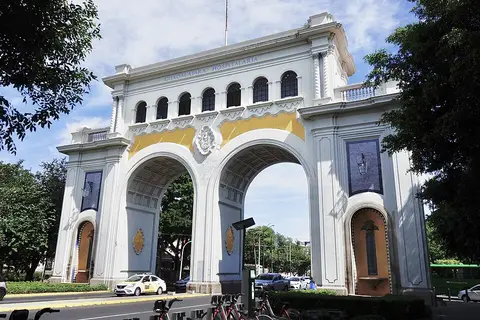
West of the center begins the Colonia Americana, with early 20th-century villas that now house cafés, galleries, and bars; in the evening, Avenida Chapultepec is the meeting place of the young scene. Farther west come more upscale areas such as Providencia and the zone around Arcos Vallarta, named after the Los Arcos triumphal arch. On the outskirts lie residential neighborhoods such as La Tijera or Santa Ana Tepetitlán, which show more of everyday life in the growing metropolis. The metropolitan area includes independent cities: Zapopan with its basilica, Tlaquepaque with craft shops and the mariachi patio, and Tonalá, known for ceramics and a large street market on Thursdays and Sundays. The district of Las Juntas in the south owes its name to the confluence of two streams.
Museums and Culture
Besides the Orozco murals, worth a visit are the Museo Regional de Guadalajara in a former seminary, with fossils and colonial art, the university's Museo de las Artes with more works by Orozco, and the Museo Cabañas itself. In November the Feria Internacional del Libro takes place, the largest Spanish-language book fair in the world. Every year in late summer, mariachi groups from around the world gather for the Encuentro Internacional del Mariachi y la Charrería. The film festival in spring is among the most important in Latin America. Charreadas, the Mexican rodeo-style riding competitions, can be seen on weekends at lienzos charros.
Eating in Guadalajara: Torta Ahogada and Birria
Guadalajara's restaurants offer several specialties you can't get anywhere else in this form. First and foremost is the torta ahogada, a crispy birote roll with pork, "drowned" in tomato sauce and, if you like, spicy chile sauce – you eat it with plastic gloves or a great many napkins. Birria, goat or beef in a spicy broth, is the classic Sunday hangover breakfast. Carne en su jugo, pozole, and, for dessert, jericalla, a kind of crème brûlée, are also part of the repertoire. For refreshment, people drink tejuino, a lightly fermented corn drink with lime and salt, and in the evening, of course, tequila or a cantarito, a cocktail of tequila and citrus fruits served in a clay cup.
Going Out and Excursions
The bars on Avenida Chapultepec and in the Colonia Americana are packed on weekends, while in the cantinas of the center, older gentlemen sit playing dominoes. At the stadium, Chivas plays, the country's most popular soccer club, which traditionally fields only Mexican players. About 60 kilometers (37 miles) northwest lies the little town of Tequila amid fields of blue agave, which are a UNESCO World Heritage Site as an agave landscape; distilleries offer tours. To the south, Lake Chapala, Mexico's largest inland lake, beckons with the lakeside town of Ajijic, home to many North American retirees. On the lakeshore there are seafood restaurants serving fried charales, small fish from the lake, and on weekends families from the metropolis come to stroll along the malecón.
Getting Around and Best Time to Visit
Miguel Hidalgo International Airport (GDL) lies about 20 kilometers (12 miles) south of the center and has good connections to Mexico City, Cancún, and the U.S. In the city, several lines of the Mi Tren light rail, a bus rapid transit system, and numerous bus routes operate; in the center and the western neighborhoods, the MiBici bike-share system is handy. It's best to order taxis through apps. As in other large Mexican cities, caution is advised in some outlying districts, while the tourist neighborhoods are considered unproblematic with the usual awareness. The best time to visit Guadalajara is the dry season from October to May, with warm days and cool nights; April and May can get hot, and from June to September the rainy season brings heavy showers in the afternoon.