Discovering Tlaquepaque: Mariachi, Ceramics, and Patios
Travel guide · editorialA mariachi band plays beneath the arcades, painted ceramic plates glow from open workshops, and galleries beckon in the courtyards of old hacienda houses: San Pedro Tlaquepaque is where visitors to Guadalajara come to buy their souvenirs. On a trip to Jalisco, an afternoon in the historic center is almost a must.
From Potters' Village to Pueblo Mágico
Potters were already living here before the Spanish arrived, and the tradition has endured for centuries. In the 19th century, Tlaquepaque became the summer retreat of wealthy Guadalajara families, who built large houses with patios. Many of them are now shops, restaurants, and galleries. In 1821, military officers here declared their support for the Plan de Iguala, an important step on Jalisco's road to independence. Today Tlaquepaque has grown together with Guadalajara but has kept its historic center, and it was named a Pueblo Mágico in 2018.
Sights in Tlaquepaque
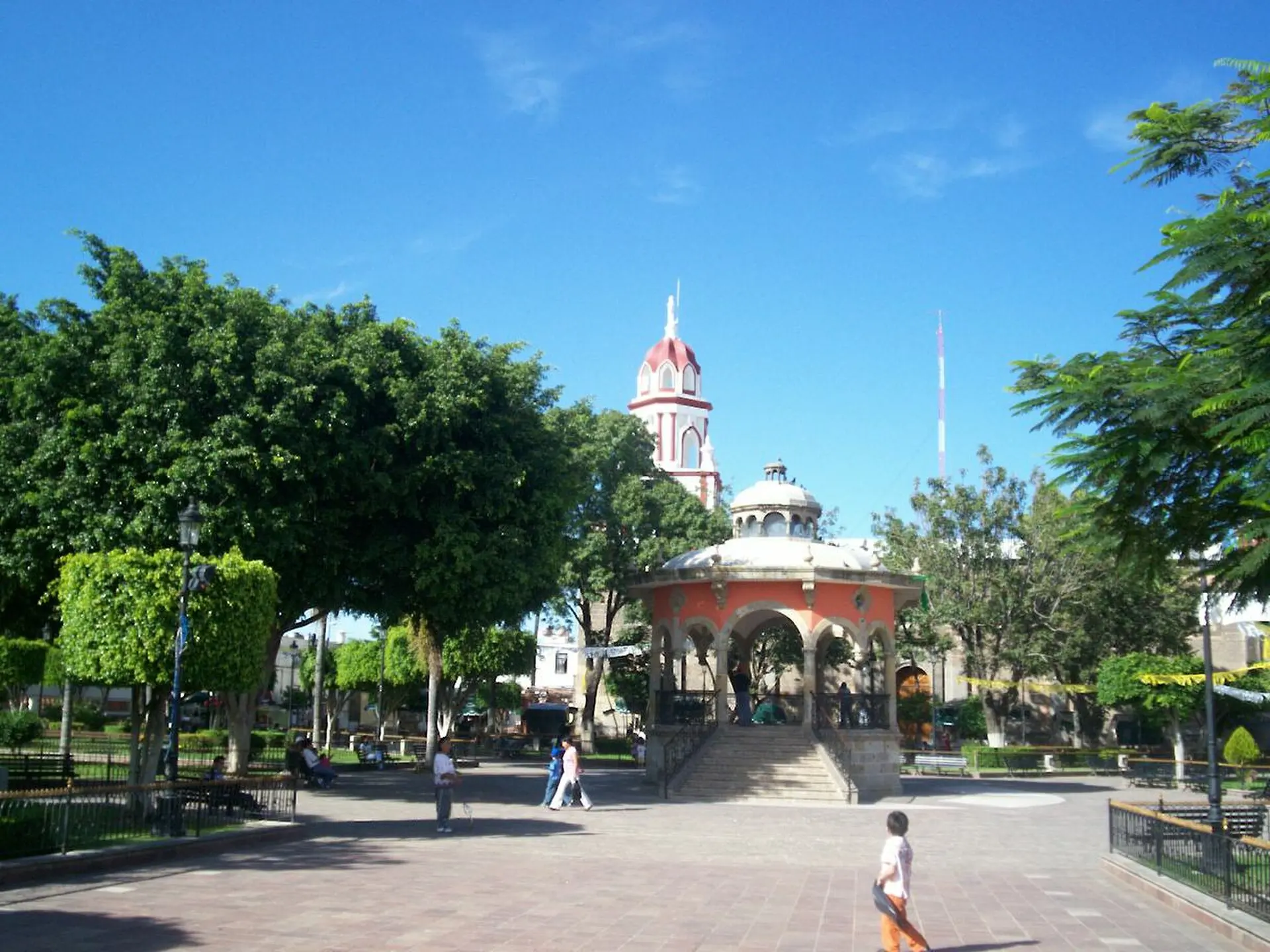
The heart of town is the Jardín Hidalgo, with its bandstand, flanked by the Parroquia de San Pedro and the Santuario de la Soledad. Right next to it is El Parián, a large courtyard ringed by arcades and restaurants, where mariachis play almost around the clock. Calle Independencia, a pedestrian street, is lined with craft shops, furniture stores, and galleries, including works by well-known artists such as Sergio Bustamante, whose fanciful sculptures are on display here. The Museo Pantaleón Panduro shows award-winning ceramics from all over Mexico, from glossy petatillo ware to delicate figurines. In the side streets around Calle Juárez, the houses are more colorful and the prices lower, and you can sometimes watch a potter at work. If you have time, afterward settle into one of the patios and watch the world go by.
Crafts and Culture
Tlaquepaque is a center of handicrafts: ceramics, mouth-blown glass, wood carvings, silver, and textiles are made in workshops that you can often tour. In neighboring Tonalá, a large crafts market is held on Thursdays and Sundays. At the end of June, Tlaquepaque celebrates the feast of its patron saint, San Pedro, with processions, music, and fireworks. Mariachi music, which originated in Jalisco and is part of UNESCO's intangible cultural heritage, is everywhere here, especially on weekends in the Parián.
Eating in Tlaquepaque
The cuisine of Jalisco is well represented here. A must is birria, goat or beef in a spicy broth, served in traditional restaurants in Tlaquepaque. Also on the menu are tortas ahogadas, pork sandwiches drowned in tomato and chile sauce, and carne en su jugo. In the Parián, you drink tequila or a cantarito, a drink made of tequila, citrus fruit, and grapefruit soda served in a clay cup. For dessert, try jericallas, a kind of crème brûlée from Guadalajara, and nieves de garrafa, hand-churned ice cream in flavors such as mamey or tamarind. On weekends, the restaurants in the Parián fill with families celebrating with music and long lunches.
Getting Around and Best Time to Visit
Guadalajara Airport (GDL) is about 9 miles (15 km) to the south. Line 3 of Mi Tren connects Tlaquepaque with downtown Guadalajara and Zapopan. You explore the historic center on foot. The best time to visit is between October and May, when it is dry and pleasant; in summer there are afternoon rains. In the Guadalajara metropolitan area, stick to busy areas at night and use authorized vehicles. Good day trips include Tequila, Chapala, and Tonalá.